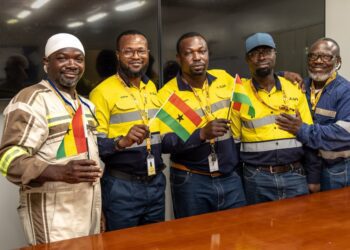
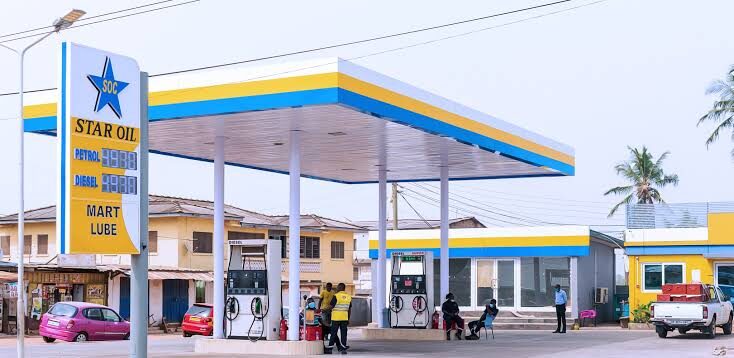
Star Oil’s Chief Executive Officer, Philip Tieku has credited business process automation and an in-house technology platform for transforming the company into Ghana’s fastest-growing oil marketing company, telling participants at the Students and Young Professionals African Liberty Academy that the firm built its own enterprise resource planning system because no suitable commercial software existed when the transformation began.
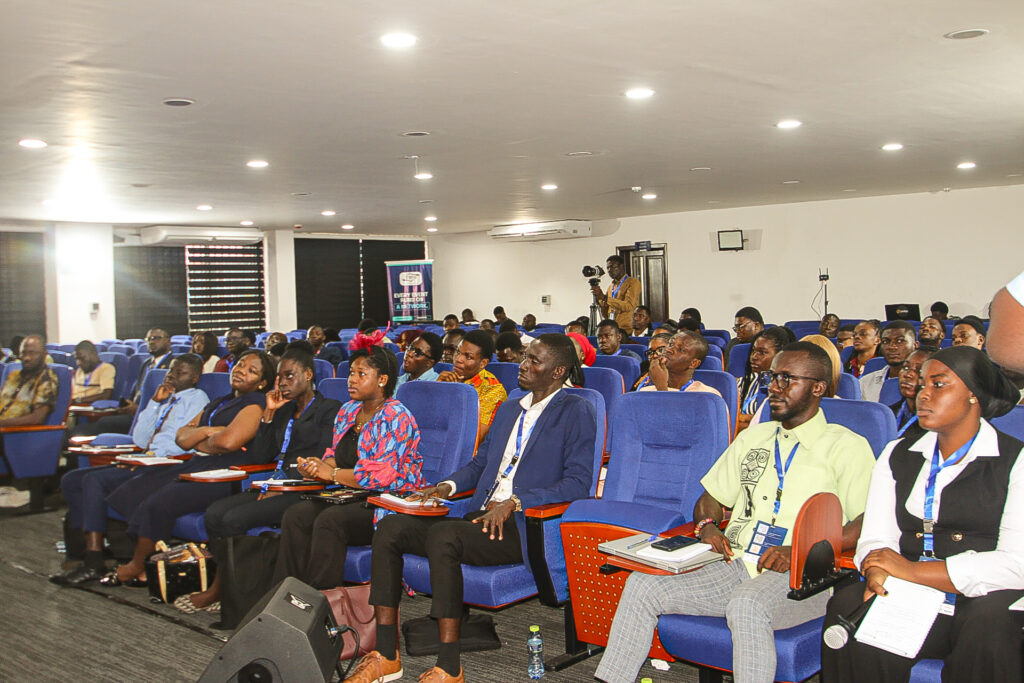
Speaking on the second day of SYPALA 2026 under the theme “Beyond the Pump: The Strategy, Innovation, and Logistics Behind Market Leadership in Ghana’s Downstream Oil Marketing Sector,” the Chief Executive Director said Star Oil’s decision to pursue a cost-leadership strategy, informed by evidence from the UK fuel market, required systems that simply were not available off the shelf in Ghana’s downstream sector at the time.
The chief executive said that when Star Oil began its transformation, most of Ghana’s 184 oil marketing companies, and Star Oil itself, still operated manual systems.
Recognising that automation was essential to becoming a genuine cost leader, the company assembled an internal team to build its own enterprise resource planning system rather than wait for a commercial solution suited to Ghana’s downstream market.

The system, described as an online platform, allows the company to monitor every station in its network for stock levels, run daily reconciliations and flag stock losses in real time.
“We’ve essentially created an ecosystem that allows us to be able to track every aspect of our business remotely at a click,” the chief executive said, describing a live dashboard that provides constant visibility into operations across the company’s station network.
CCTV Monitoring at Every Station
Star Oil backed its ERP system with an extensive CCTV network, installing what the chief executive described as no fewer than 14 active, remotely monitored cameras at every station, feeding directly into the company’s key performance indicators.
The system closes off a specific point of loss in the fuel supply chain: truck drivers historically siphoning a share of fuel in transit, only for attendants and station managers to take further gallons for themselves upon delivery.
“With remote monitoring, there is no way this can happen,” the chief executive said, “because an avatar is viewing the discharge process remotely.” The automation delivered savings beyond stock control.
Auditors can now review station performance remotely rather than travelling, eliminating lodging and transport costs, while some lower-risk stations have replaced physical security personnel with remote monitoring entirely.
Customer complaints, the chief executive said, can now be resolved directly using CCTV footage as evidence rather than relying on competing accounts.
Ending the Dealer-Operated Model
The scale of data the automation produced eventually persuaded Star Oil to abandon the dealer-operated model that dominates Ghana’s downstream sector, in which individual station owners run outlets on behalf of the sponsoring oil marketing company.
Around 2018, three years after the company began its transformation, Star Oil moved to centralised operation of its stations, asking station owners to step aside from day-to-day management.
The chief executive said the evidence supporting that decision was unambiguous. Station owners operating their own forecourts carried a persistent risk of sourcing fuel from unauthorised third parties outside the sponsoring company’s knowledge, some of it legitimate product bought off-contract and some of it product that failed to meet quality standards.
Owners managing under commercial pressure also had an incentive to tamper with dispenser delivery calibration, selling customers lower quantities for the same price, while employing station attendants directly at what the executive described as low wages, around GH800 a month industry-wide, that left workers vulnerable to the temptation to shortchange inattentive customers.
Scale as the Foundation of Cost Leadership
The chief executive said achieving genuine cost leadership required economies of scale that automation alone could not deliver.
Because most fuel stations in Ghana are owned by individuals rather than the oil marketing companies themselves, Star Oil identified an opportunity to attract station owners into its network and scale up its footprint rapidly without the capital outlay that building new stations from scratch would require.

That expansion was paired with what the chief executive called trading intelligence, since fuel is priced on world markets that shift daily.
Without a trading team capable of sourcing product competitively and timing purchases through tenders effectively, the executive argued, none of the other cost advantages built through automation and scale would translate into a genuine market advantage.
“You may not be able to achieve the advantages that you expect from the cost leadership,” the chief executive said of a company lacking that trading capability, regardless of how sophisticated its internal systems became.
READ ALSO: IMANI VP Warns Against Unchecked Government Power, Backs Rule of Law