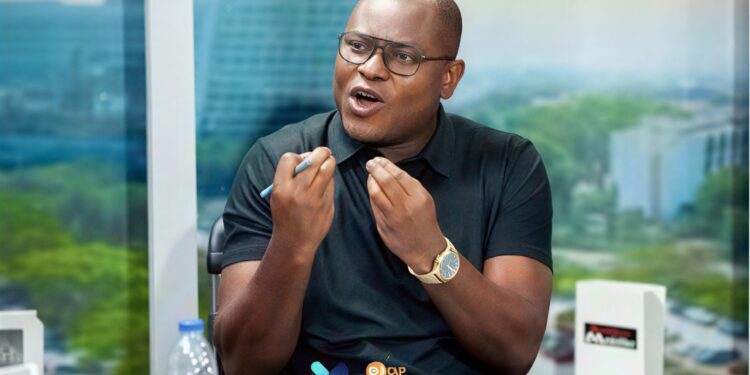
More than a dozen aspirants seeking executive positions in the New Patriotic Party have gone through the party’s vetting process as preparations intensify towards the upcoming national elections. Among the prominent figures to appear before the Vetting Committee, NPP Communications Director Richard Ahiagbah has presented grassroots mobilisation as the centrepiece of his bid for the First Vice Chairmanship.
Mr Ahiagbah described his interaction with the committee as cordial, noting that the exercise gave him an opportunity to outline how he intends to strengthen the party at its foundation. In his view, rebuilding the NPP’s grassroots structures remains essential to improving its chances of returning to government in 2028.

“I intend to ensure that our party is run sufficiently as a grassroots party, which is what we need to strengthen our prospects for 2028.”
Richard Ahiagbah
The First Vice Chairmanship aspirant is consequently preparing to take his grassroots reform message beyond the party’s headquarters. He disclosed that his engagements would begin in the Volta Region before extending to other parts of the country as he seeks support from delegates.
Meanwhile, the vetting process has attracted several experienced party figures seeking the same position. Eight aspirants, including Henry Nana Boakye, Kwabena Abankwah Yeboah, Kwame Bamba, Mustapha Abdul-Hamid, Sam Pyne, Obaa Yaa Frimpong, Pokuaa Amoah-Boakye and Mr Ahiagbah, have appeared before the committee, with five others expected to complete the exercise for the position of 1st Vice Chair of the party.
The contest therefore brings together personalities with varied experience within the NPP, making the grassroots question a significant feature of the campaign. Mr Ahiagbah believes his approach offers a more defined pathway for reconnecting the party with members at the local level.
For him, the experience of the 2016 and 2020 elections provides an important lesson about the relationship between grassroots engagement and electoral performance. He recalled that research conducted after the 2020 election pointed to dissatisfaction among grassroots members, arguing that the concerns identified at the time did not receive the level of attention required. “That is where our fortune lies. That is where I would go. That is the message. Our party is grassroots, we must run it as grassroots,” he stated.
Mr Ahiagbah also positioned his proposal as a practical strategy, distinguishing it from what he described as broad campaign rhetoric. He expressed confidence that delegates would endorse his vision when they vote in the national elections.
Ahiagbah Faces Crowded NPP Race For Vice Chair
The New Patriotic Party’s four-day vetting exercise has brought renewed attention to the contest for its national executive positions, with Communications Director Richard Ahiagbah emerging among the leading figures seeking the First Vice Chairmanship. The exercise, which began on August 31 and runs through September 3 is part of the party’s preparations for its national officers election after 50 aspirants picked nomination forms for nine positions.
Mr Ahiagbah’s decision to seek the position marks a new phase in his political career after serving as the NPP’s Director of Communications. His current role has placed him at the centre of the party’s public messaging and political defence, while his earlier involvement with the Danquah Institute has also given him experience in research and party policy discussions.
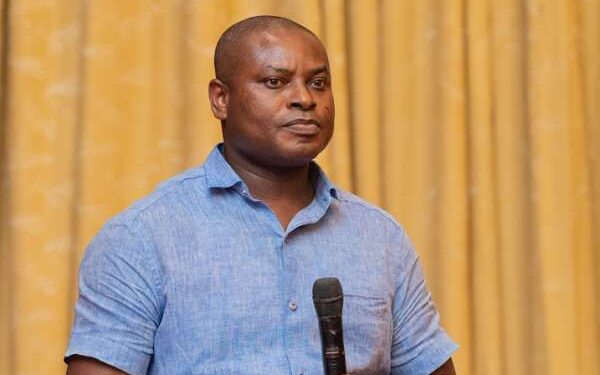
His bid also comes at a significant moment for the NPP as the opposition party undertakes an internal reorganisation following its defeat in the 2024 general elections. In July, Mr Ahiagbah formally declared his intention to contest the First Vice Chairmanship, arguing that the party required disciplined leadership, stronger structures and greater cohesion as it prepares for the 2028 elections.
The contest therefore extends beyond an individual leadership ambition and forms part of a broader effort to determine the direction of the NPP’s next national executive team. The eventual office holders will inherit responsibility for rebuilding party structures, managing internal relations and preparing the organisation for its return to electoral competition.
Meanwhile, the vetting process provides the party with an important screening stage before the final field of candidates emerges. The NPP’s National Elections Committee has indicated that purchasing nomination forms does not automatically qualify an aspirant, as candidates must successfully complete the vetting and appeals processes before their candidacies can be confirmed.
The NPP has scheduled October 3 for the national officers election, according to recent reports, although earlier statements from the party’s elections committee indicated that the final electoral arrangements would follow the completion of vetting and appeals.
READ ALSO: Burnham Pledges Problem-Solving Government Over Political Point Scoring