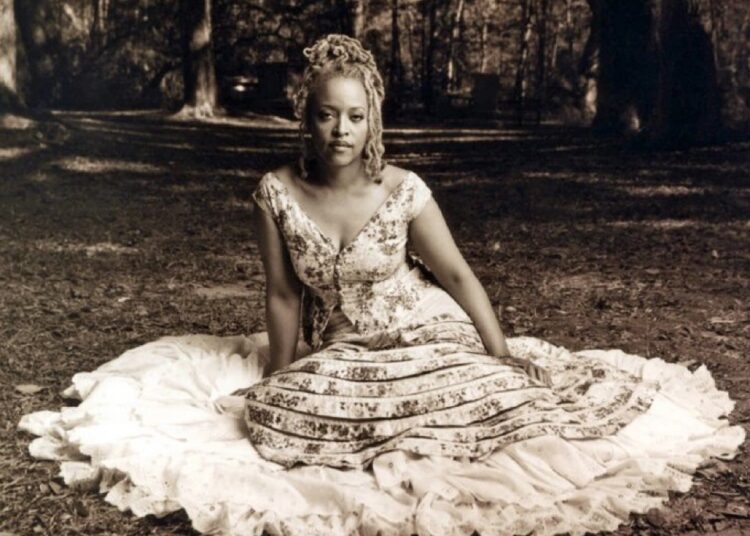
Cassandra Wilson, the two-time Grammy-winning jazz vocalist celebrated for her rich, smoky contralto and boundary-pushing blend of jazz, blues, folk, and popular music, has died. She was 70.
Wilson passed away peacefully at her home in Jackson, Mississippi, surrounded by family, close friends, and her longtime manager, Robert Torre. Torre confirmed the news to jazz radio station WBGO, stating she “transitioned peacefully.” No cause of death was released. Hinds County Coroner Jeramiah Howard also confirmed the death.

Born Cassandra Fowlkes on December 4, 1955, in Jackson, Wilson grew up immersed in music. Her father, Herman B. Fowlkes Jr., was a jazz guitarist, bassist, and music teacher. Her mother, an elementary school teacher, loved Motown. Wilson started piano at age 6, picked up guitar at 12, and began singing professionally in her late teens. She earned a degree in mass communications from Jackson State University before fully committing to music.
In 1982 she moved to New York City and quickly became a key figure in the M-Base Collective, the adventurous group co-founded with saxophonist Steve Coleman. The collective’s experimental approach emphasizing rhythmic cycles and fresh interpretations over traditional structures shaped her early sound. “From Steve Coleman, I learned to tear a piece of music apart and get away from standard approaches,” she later told Time. Her debut solo album, Point of View (1986), mixed originals with takes on Miles Davis and Billie Holiday material.
Music Breakthrough Moment
Wilson’s breakthrough came after signing with Blue Note Records. The sparsely arranged Blue Light ’til Dawn (1993) featured her distinctive covers of Van Morrison, Joni Mitchell, and Ann Peebles alongside original songs. It introduced her to a wider audience beyond pure jazz circles.
The follow-up, New Moon Daughter (1995), expanded the approach with interpretations of Neil Young, U2, Hank Williams, and the Monkees. The album earned her the 1997 Grammy for Best Jazz Vocal Performance and sold strongly.
She continued exploring. Traveling Miles (1999) paid tribute to Miles Davis. Loverly (2008) returned to standards and brought her a second Grammy in 2009 for Best Jazz Vocal Album. Her final solo album, Coming Forth by Day (2015), was a homage to Billie Holiday released on what would have been Holiday’s 100th birthday.
Throughout, Wilson treated popular songs the way earlier jazz artists had treated the standards of their day reinterpreting them through her own Mississippi-rooted sensibility.
Collaborations highlighted her range. She appeared on tracks with the Roots, recorded with Angélique Kidjo, Terence Blanchard, Meshell Ndegeocello, and others, and portrayed a character in Wynton Marsalis’s Pulitzer Prize-winning oratorio Blood on the Fields. Guests on her own Silver Pony (2010) included John Legend, Jon Batiste, and Ravi Coltrane.
Time magazine once called her “America’s best singer.” She received the Miles Davis Prize, a Django d’Or, an Edison Music Award, a marker on the Mississippi Blues Trail, and in 2022 was named an NEA Jazz Master.
Wilson resisted strict labels. She preferred to be called a musician rather than solely a jazz singer. “I think people tend to forget what jazz was like in the beginning,” she told The New York Times. “It’s not a form of music that came out canonized and etched in stone. It comes from people absorbing what they live.”
Her low, resonant voice and unhurried phrasing carried the weight of the blues tradition from her home state while remaining open to folk, country, and rock influences.
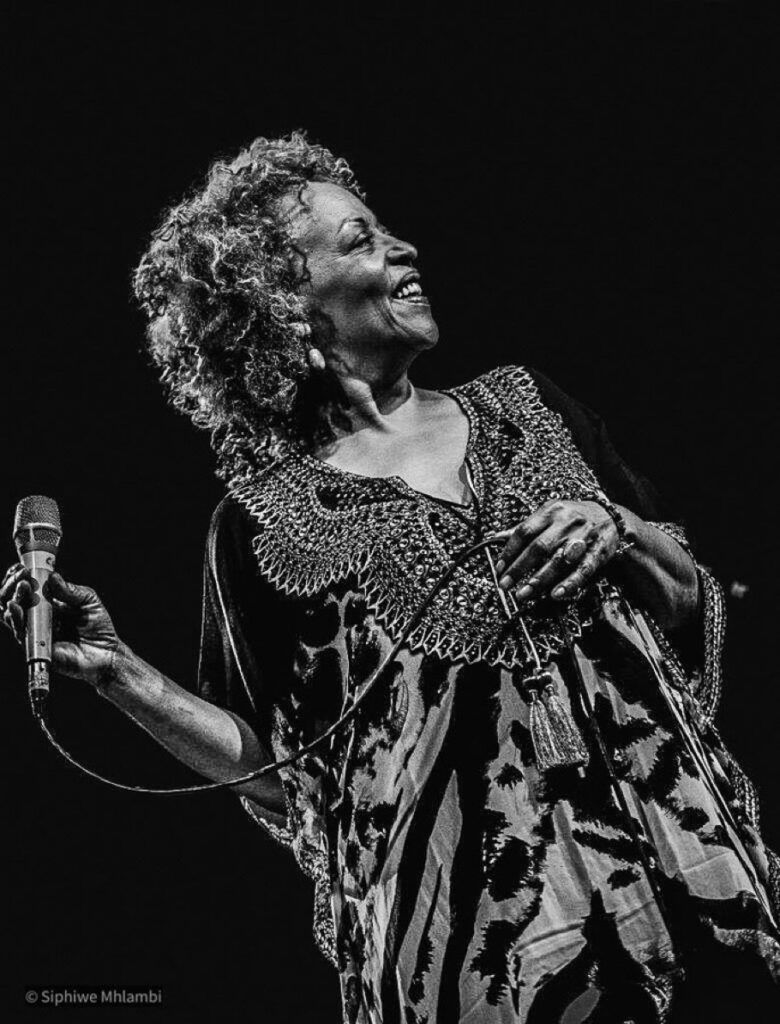
Jackson Mayor John Horhn called her “an extraordinary native daughter” whose work carried “the sound, spirit and history of Mississippi.” Fellow musicians have begun sharing memories of her distinctive presence and generosity.
Wilson is survived by her son, Jeris. Details of memorial services will be announced later. Her family has asked for privacy.
Wilson’s catalog remains a model of artistic independence. She never chased commercial formulas, choosing instead to follow her own ear across genres and eras. In doing so she expanded what a jazz singer could sound like and what material belonged in the repertoire.
Her recordings continue to offer listeners a deep, unhurried conversation between tradition and invention one that still feels fresh years after the final notes were laid down.
READ ALSO:IFEST Calls For Stronger Security Systems Across Senior High Schools