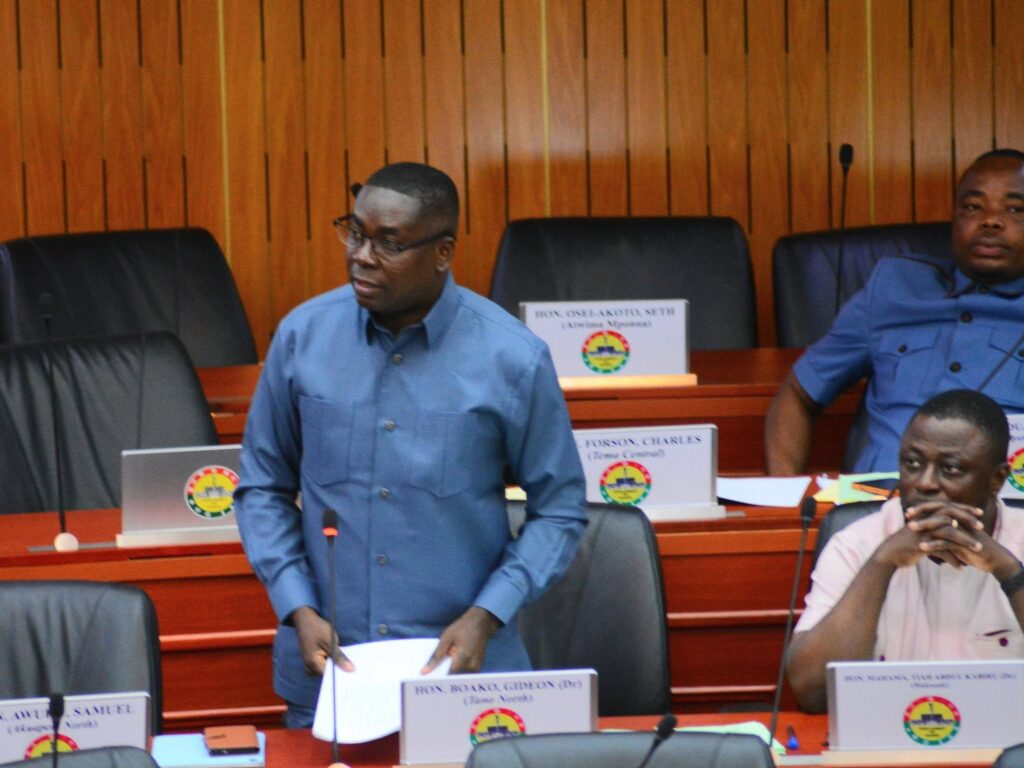
Dr. Gideon Boako, an economist and Member of Parliament for Tano North, has advocated for the full adoption of a hybrid gold-backed economic architecture to transform the financial stability of resource-rich developing nations.
He noted that integrating domestically mined bullion directly into state reserves offers a modern monetary strategy designed to safeguard national balance sheets against persistent foreign exchange shocks.
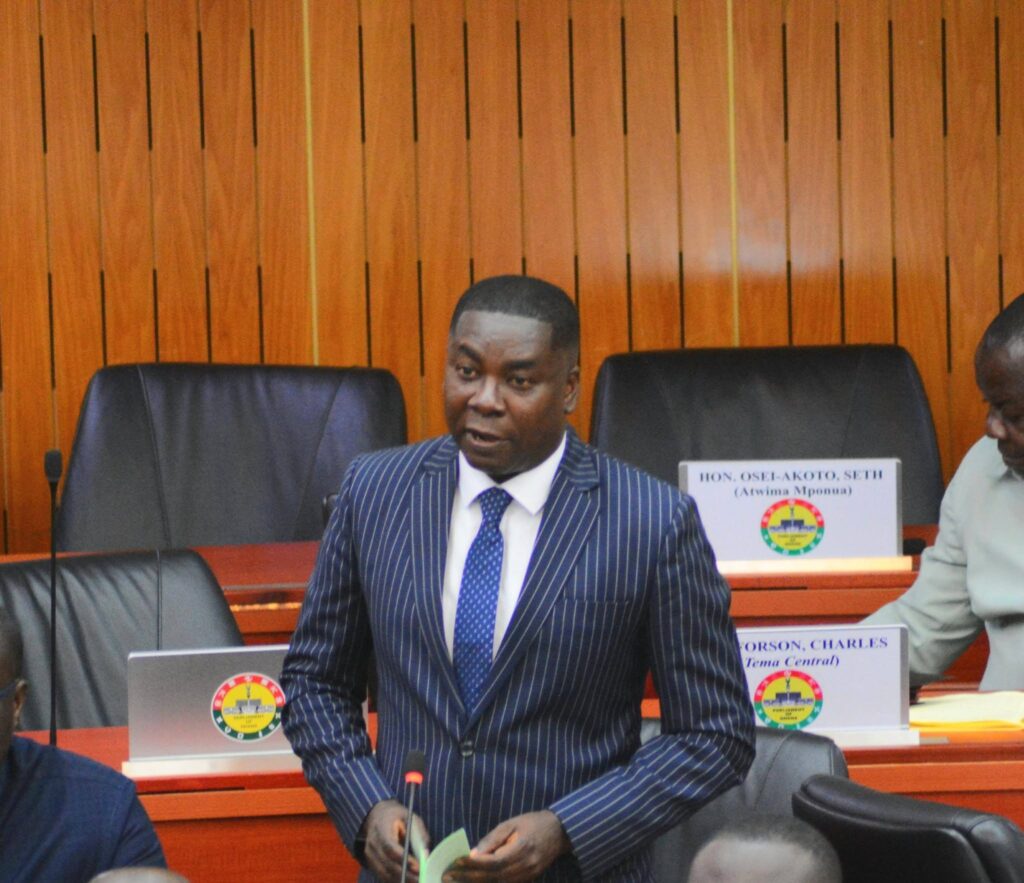
“If this Bawumia Doctrine of Gold-backed stability is followed stricto sensu, it removes the monetary reason for IMF bailout. What remains is only the fiscal reason — overspending. If we combine gold-backed reserves with the fiscal discipline Dr. Bawumia has always advocated — zero tolerance for unbudgeted expenditure and strict adherence to the Fiscal Responsibility Act — then yes, Ghana can credibly exit the boom-bust-IMF cycle for good.”
Dr. Gideon Boak

Dr. Boako explained that the initiative presents a pragmatic monetary mechanism that balances flexibility with asset security. Unlike rigid historical standards, the proposed structure utilizes gold as an auditable, tokenized buffer to support sovereign reserves while maintaining floating exchange rates and independent monetary policies.
This hybrid framework empowers commodity-exporting countries to capture and retain natural resource value domestically, significantly curbing external borrowing costs and shielding their economies from the uncertainties of the global currency market.
Re-Engineering Sovereign Reserve Management
In an era defined by global financial realignment, the imperative for resource-producing developing nations to re-engineer their reserve architecture has reached a critical juncture.
Emerging market central banks face compounding vulnerabilities, including severe foreign exchange illiquidity, escalating debt-servicing demands, and the systemic risk of holding foreign currency reserves exposed to external geopolitical sanctions.
For commodity-rich countries, exporting unprocessed minerals while relying on foreign currency borrowing creates an unsustainable economic loop.
The proposed hybrid framework directly disrupts this pattern by channeling locally mined gold straight into central bank balance sheets, establishing a durable sovereign shield against external volatility.
By leveraging physical gold as an active settlement tool and liquidity buffer, emerging market central banks can reduce their exposure to global currency fluctuations. This approach allows economies to monetize their natural endowments directly, establishing a self-sustaining asset base that reinforces economic sovereignty without incurring high-interest external debt.
Strategic Anchor for Trade and Digital Innovation
The necessity of this hybrid mechanism extends directly into international trade and the evolution of modern central banking. Global supply chain disruptions and exchange rate spikes frequently erode the purchasing power of energy-importing developing nations.
The successful implementation of trade settlement frameworks, such as Ghana’s Gold-for-Oil pilot, demonstrates that physical commodities can serve as a dependable alternative settlement medium, insulating local markets from devastating FX volatility.
Simultaneously, as central banks worldwide advance toward Digital Public Infrastructure (DPI) and Central Bank Digital Currencies (CBDCs), digital tokenization provides the required technological foundation.
Engineering trust through auditable code, transparent ledger systems, and independent vault verification transforms physical bullion from a passive, static store of value into an active, liquid asset.
This digital integration creates a reliable credibility bridge, enabling emerging market digital currencies to achieve instant market confidence and global interoperability.
Breaking the Cycle of Perpetual Bailouts
At its core, the policy addresses the structural reliance of developing economies on international financial institutions.
Historical reliance on short-term foreign borrowing to support domestic currencies has repeatedly triggered sovereign debt distress, forcing nations into restrictive structural adjustment programs.
When a central bank maintains a dedicated 5% to 15% gold tranche within its reserves, it creates an enduring liquidity shock absorber. However, as Dr. Boako highlighted, monetary safeguards represent only one side of national economic stability.

To permanently break the cycle of economic instability, robust reserve management must be matched by strict fiscal governance, zero tolerance for unbudgeted spending, and unyielding adherence to fiscal responsibility laws.
By pairing a digitized, commodity-backed monetary reserve with absolute fiscal control, primary commodity producers can finally secure lasting financial independence and exit the cycle of external bailouts permanently.
READ ALSO: NASTAG Demands Overhaul of Ghana’s 12-Year-Old Seed Policy to Boost Local Production