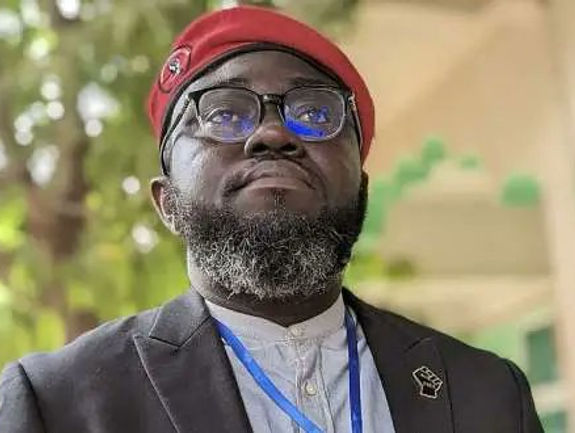
Osagyefo Oliver Barker-Vormawor says his seat on the Constitutional Review Implementation Committee should not be read as agreement with what the government is proposing.
He told The Vaultz News in an exclusive interview at his Accra office that the people who trust his judgment should decide the referendum for themselves rather than follow the government line.
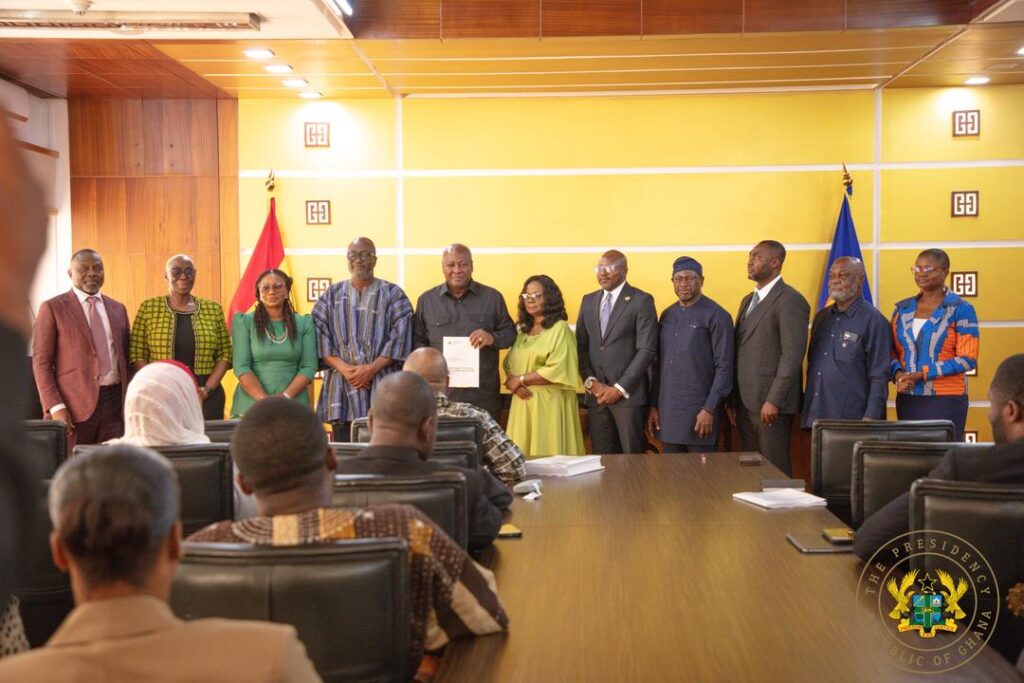
The clarification carries weight because the activist joined a process he spent years campaigning against, and took the seat only after Democracy Hub voted internally on whether it compromised the group’s neutrality.
He also weighed the possibility that his name would lend legitimacy to a narrower reform than he would have designed himself, and concluded that the attention it draws to the process is worth that risk.
Not An Endorsement Of Government Positions
Put to him that his presence might be buying credibility for the package, Barker-Vormawor said he had entertained the thought himself. He hopes government appointed him for what he can technically contribute, though he sees an upside even in the cynical reading.
If his involvement pulls Ghanaians who had tuned out of constitutional reform back into paying attention, he is content to be used that way. What he refuses to let the appointment imply is agreement, and he was explicit that his presence is not an endorsement of the government position.
That clarity, he said, is what he owes the people who believe he carries weight on these questions. “I must honor that credibility by telling them to vote your conscience and not what the government tells you.”
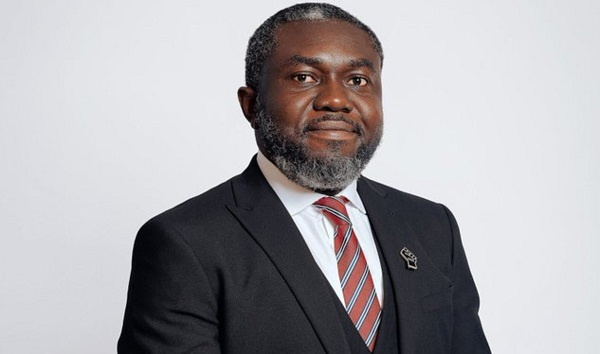
Democracy Hub Took An Internal Vote
Before accepting the role, Barker-Vormawor put it to the pressure group he belongs to. Democracy Hub has long debated whether its influence lies inside the political process or outside it, and he counts himself firmly among those who believe it should stay outside.
The group also enforces a rule on its members. Anyone who takes a political appointment resigns from Democracy Hub, a line drawn to keep loyalties from splitting, and Felicity Nelson left on those terms before becoming a deputy director at the Ghana Tourism Development Corporation.
Two questions therefore went to the membership. The first was whether a seat on the committee amounts to the kind of political appointment that triggers the rule, and the second was whether the group would be comfortable with him taking it even if the rule did not apply.
An internal vote settled both. The membership judged the assignment closely aligned with the reforms Democracy Hub has campaigned for, and concluded, in his words, “better be in the room on this thing than outside of it.”
He reached a similar conclusion by looking at who had done such work before. Professor Kwasi Prempeh, Alhaji Ibrahim-Tanko Amidu of the STAR-Ghana Foundation and Professor Kwame Karikari all took national assignments without anyone concluding they had become instruments of government, and he reasoned that whatever preserved their professional neutrality could preserve his.
Family First, Colleagues Later
The last consultation before he said yes was at home. He talked the decision through with his family and accepted the role with their blessing, weighing the arrests, prosecutions, imprisonment and treason charge that have followed his activism.
One constituency he skipped, and he volunteered the omission himself. He did not consult the colleagues in his private professional life about the demands the appointment would place on his time, and he regards that as a failure rather than an oversight.
The precedent that stings is one he lived through. When Professor Raymond Atuguba was appointed Executive Secretary to the President while Barker-Vormawor was at Law and Development Associates, the team had no chance to debate the decision and held it against him for a long time.
“I’ve fallen also into the same traps where I failed in that regard,” he said of repeating it.
The Condition That Would End His Service
Non-endorsement has a limit, and he named it. “I think that if the government becomes obstinate and wants to put all the proposals as one package deal, before Ghanaians, I would resign. I think that is undemocratic. I think Ghanaians should be able to express their views on each individual item.“
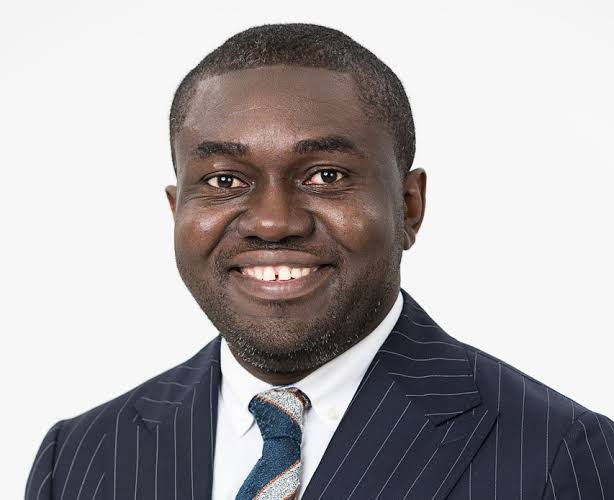
His measure of the exercise sits in the same place. “The success marker for me is not whether the government succeeds in its proposals. It’s whether Ghanaians have been able to give the right to choose something of their own making.”
Whether that position holds will depend on decisions that are not his to make. Government has yet to settle how the questions reach the ballot, and the answer will determine whether the country’s most prominent constitutional activist is still inside the process when Ghanaians vote.
READ ALSO: Tim Curry’s Final Role Voices Rat King’s Father in Barbie Nutcracker