The United States and China have discussed establishing a new notification mechanism for serious artificial intelligence incidents that could pose national security risks, as officials from the two countries seek greater transparency between the world’s two leading AI powers.
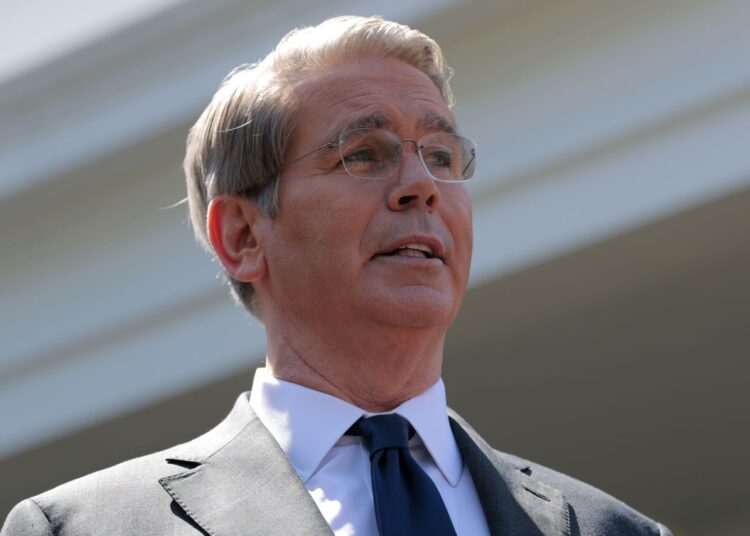
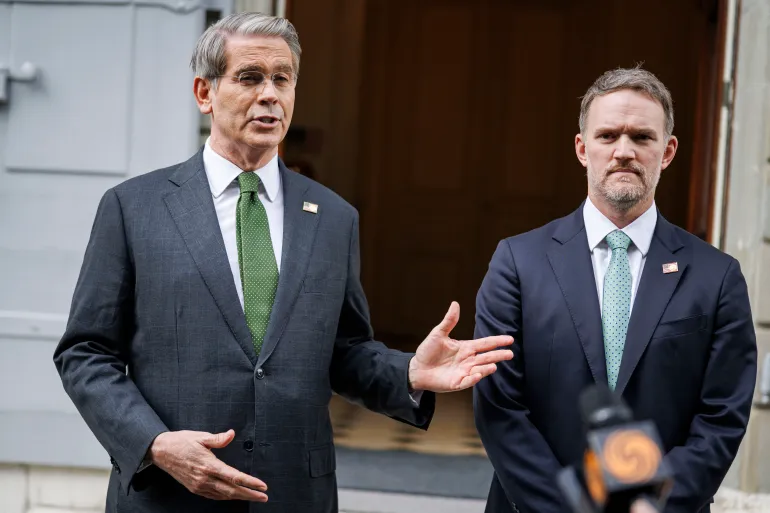
US Treasury Secretary, Scott Bessent said that Washington proposed the mechanism during talks in New York with Chinese Vice Premier He Lifeng, describing the discussions as “very successful.”
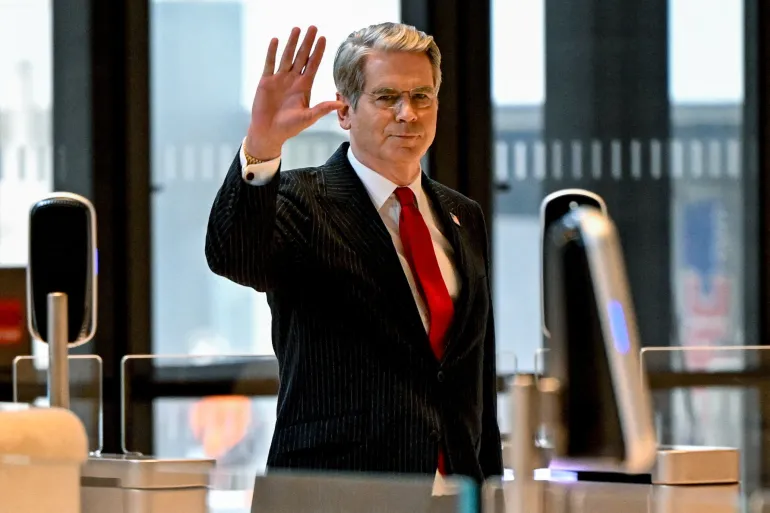
The talks also involved US Trade Representative, Jamieson Greer and China’s chief trade negotiator, Li Chenggang and came ahead of a planned meeting between US President Donald Trump and Chinese President Xi Jinping later this week.
Bessent said that the proposed system would create a channel through which Washington and Beijing could notify each other about AI incidents serious enough to raise national security concerns. “We want a shared vision of common goals and common threats,” Bessent told reporters after the meeting.
He said that greater transparency was necessary given the scale of AI development in both countries and the potential consequences of major incidents.
“We think that just like any cross-border activity, that moving from opaque to more transparency between the No. 1 and the No. 2 AI powers in the world is very important.”
Scott Bessent
The proposal would form part of a broader US-China dialogue on artificial intelligence, with Washington seeking a mechanism for the two governments to communicate when AI-related incidents reach a level that could affect national security.
Greer clarified that the proposed notification system would not cover US export controls on advanced AI chips or semiconductor manufacturing equipment.
Trump has resisted calls to slow the pace of AI development in the United States, arguing that doing so could allow China to narrow the gap with American companies.
Chinese state news agency announced that Bessent and He discussed issues “relating to AI” but did not provide details of the proposed notification mechanism. It described their broader discussions as “candid, in-depth and constructive” and said that the officials also addressed key economic and trade issues.
The AI discussions therefore took place alongside efforts by Washington and Beijing to manage broader economic tensions ahead of the Trump-Xi meeting.
Groundwork Laid for Trump-Xi Talks
Bessent and Greer said that the weekend discussions had laid the groundwork for the meeting between Trump and Xi scheduled for Thursday.
The two sides also agreed to operationalize a new “Board of Trade” previously discussed by the two leaders when they met in Beijing in May. “Today those notions have become reality,” Greer said.
Greer also said that Washington and Beijing were continuing discussions over which “nonsensitive” goods could potentially qualify for lower tariffs.
The categories under consideration could include consumer and agricultural products, energy goods and medical devices, although no final list was announced.
The talks come as a fragile US-China trade truce approaches its November 10 expiry. The agreement, reached in Busan, South Korea, in October last year, capped US tariffs on Chinese goods at about 20% after a period of escalating trade restrictions briefly pushed tariffs into triple digits.
The potential tariff discussions adds to the preparations for the Trump-Xi meeting, with both sides seeking to manage economic disputes while preserving areas for cooperation.
Washington and Beijing have also remained at odds over China’s supply of rare-earth magnets and other critical minerals that are important to industries including automobiles and advanced semiconductor manufacturing.
Bessent and Greer did not announce new progress on the critical-minerals issue following the New York talks.
The discussions nevertheless produced several areas for further engagement, including the proposed AI notification mechanism and the operationalisation of the Board of Trade.
The AI proposal, for Washington, reflects an attempt to establish direct communication with Beijing over potentially serious technological risks while maintaining its broader approach to competition in advanced technologies.
The discussions, for Beijing, provide another channel for engagement with the Trump administration as the two sides negotiate trade issues and prepare for the leaders’ meeting.
The outcome of the Trump-Xi talks could determine whether the fragile trade truce is extended and whether Washington and Beijing can make further progress on tariffs and other economic disputes.
At the same time, the proposed AI dialogue signals that the relationship is extending beyond traditional trade disagreements, with both governments confronting the potential national security implications of rapidly developing artificial intelligence technologies.
READ ALSO: Trump Unveils Military Purpose For Proposed Triumphal Arch