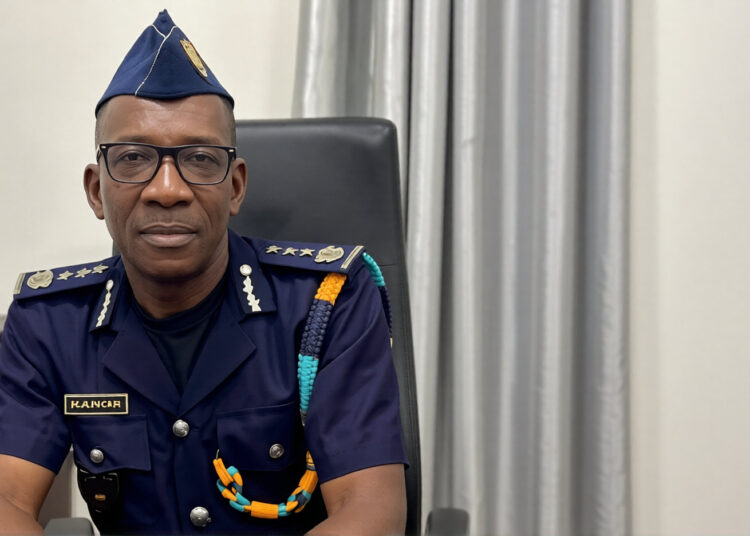
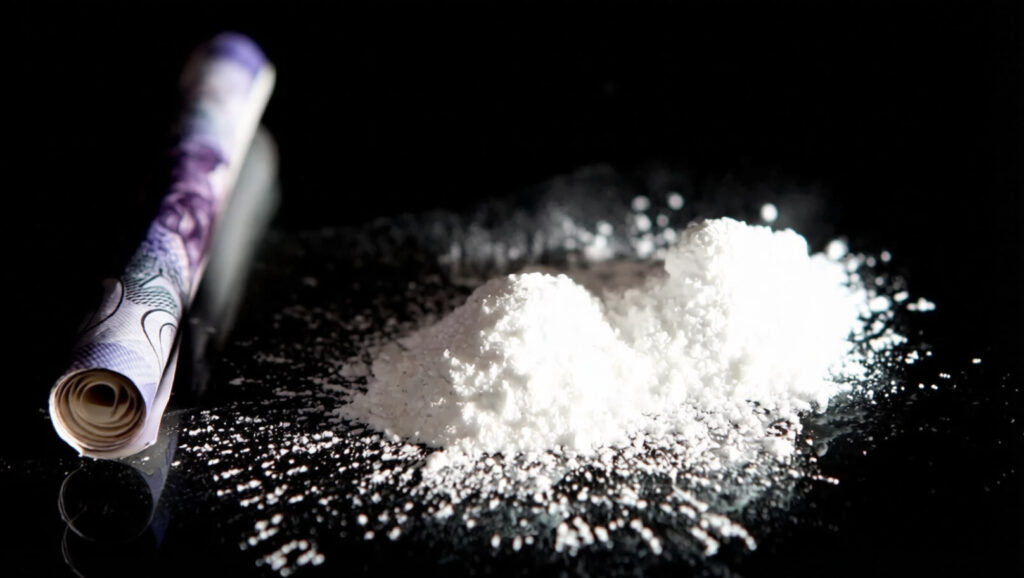
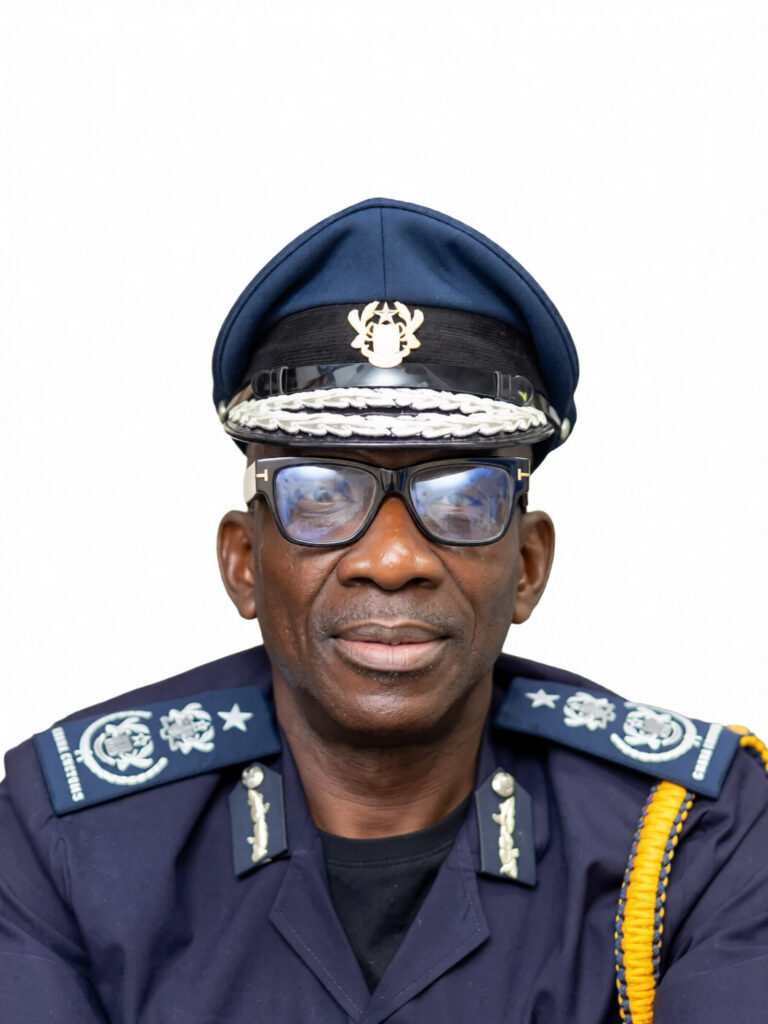
The Ag. Commissioner of Customs Divisions, GRA, Aaron Kanor has outlined measures being strengthened to prevent Ghana from becoming a transit point for narcotics following a major drug seizure in France. He explained that French Customs intercepted almost 3.9 tonnes of suspected cocaine from a consignment originating from Ghana and partly destined for Antwerp, Belgium.
The seizure has intensified scrutiny of Ghana’s role in international drug trafficking, with investigations now examining how the shipment moved through the country. According to Mr Kanor, the position of President John Dramani Mahama on the matter has been clear.
From his view, the President has consistently opposed attempts to use Ghana as a base for narcotics trafficking. He therefore declined to attribute specific remarks to the President beyond the position already communicated publicly.
“The President’s position on narcotics trafficking has been consistent and clear: that Ghana will not be allowed to become a safe haven for such activity, especially narcotics.”
Aaron Kanor
Referencing the French seizure, Mr Kanor indicated that the development requires stronger coordination among agencies responsible for controlling goods entering and leaving the country. The Customs Division, he noted, was strengthening its own controls under the Customs Act while increasing attention to high risk cargo.
Additionally, the Ag. Commissioner disclosed that Customs is working with both domestic and international partners as part of efforts to disrupt attempts to move prohibited substances through legitimate trade channels. Such cooperation, he explained, is important because drug trafficking operates across jurisdictions and requires coordinated responses at different points along the supply chain.
Analysing the situation, Mr Kanor acknowledged that Customs controls could face challenges when traffickers conceal prohibited items within legitimate consignments. He therefore indicated that the Division is reviewing its procedures and taking steps aimed at preventing similar shipments from passing through Ghana undetected.
The French seizure involved a container carrying plastic waste, with the drugs reportedly intercepted at the port of Dunkirk after leaving Ghana. NACOC has since announced arrests in Ghana in connection with the consignment while investigations continue into the alleged roles of persons linked to the shipment.
On this, Mr Kanor emphasised that Customs could not work in isolation from agencies with specialised narcotics expertise. He indicated that closer operational collaboration would form part of the response as authorities seek to tighten Ghana’s export control system.
The development has also resulted in court proceedings in Ghana, with several accused persons facing allegations connected to the shipment and the handling of Customs processes at Tema Port. Six persons linked to the alleged export of the drugs were denied bail by the Kwabenya Circuit Court and remanded as investigations continued.
Customs Tightens Port Checks As Drug Trafficking Cases Mount
The Customs Division of the Ghana Revenue Authority is strengthening cargo screening procedures as authorities investigate a series of drug trafficking cases linked to Ghana.
The Ag. Commissioner of Customs Divisions, GRA, Aaron Kanor explained that export cargo already passes through scanning systems, with officers examining images for possible concealment.
According to him, the latest developments have prompted Customs to examine how its procedures can be reinforced at critical points before consignments leave the country. The process, he noted, requires closer involvement from specialised agencies whose expertise can help identify narcotics that may escape routine cargo screening.
Explaining the procedure, Mr Kanor indicated that export containers are normally scanned before they are cleared for departure. Scan images are then analysed to identify unusual features or possible concealment within the cargo.
“Before any cargo exits our port, we’d like them to come on board and give their verdict.”
Aaron Kanor
The proposal places particular emphasis on earlier intervention by the Narcotics Control Commission in cases requiring specialist assessment. Mr Kanor explained that bringing NACOC into the process at an earlier stage could provide an additional layer of scrutiny before cargo leaves Ghanaian ports.
Furthermore, the Customs Division has begun internal inquiries into the recent French seizure. The Ag. Commissioner disclosed that officers connected to the incident have been queried, although some were unavailable to respond immediately because they had been taken into custody by the Bureau of National Investigations.
Changing the focus to internal administration, Mr Kanor indicated that Customs is also considering the movement of officers as part of measures to strengthen controls. Such changes are intended to improve operational vigilance and reduce the possibility of weaknesses developing around particular processes or locations.
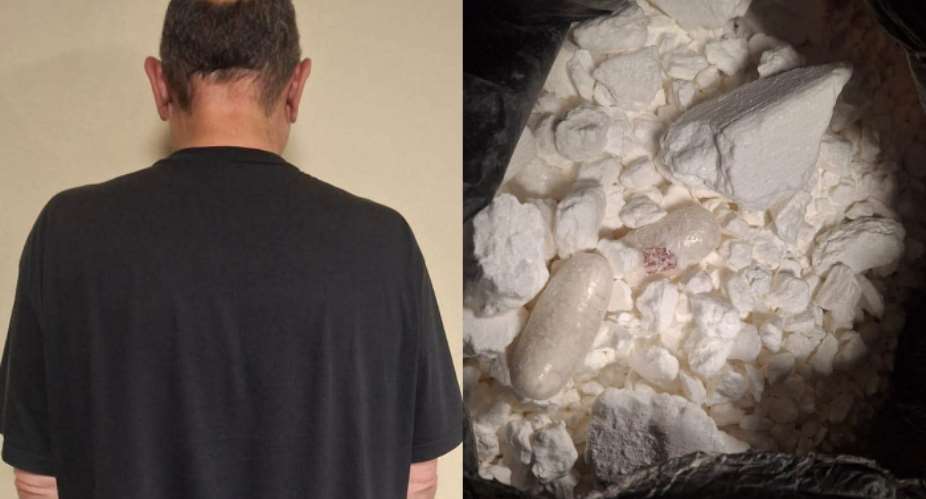
The recent international cases have added urgency to those measures. On September 20, South African authorities arrested a 52-year-old South African man at OR Tambo International Airport after he arrived from Accra, with substances suspected to be heroin worth more than R2 million found in his luggage.
The arrest was the third suspected drug mule case recorded at OR Tambo within three weeks, according to South African authorities. The suspect is expected to appear before the Kempton Park Magistrates’ Court on drug trafficking related charges while investigations continue.
Directing attention to another reported case involving Kotoka International Airport, Mr Kanor indicated that he has seen reports concerning Frank, an aviation security employee whose alleged drug case is reportedly connected to Belgium. He explained that he has requested information from the sector commander at Kotoka to establish the facts before commenting on the matter.
READ ALSO: Ghana’s Declining Treasury Yields Put Banks Under Pressure