
The Okyeman Traditional Council is seeking an urgent meeting with the President of Ghana as traditional authorities warn that illegal mining activities in the Atewa Forest Reserve are rapidly escalating into a national security crisis.
The council expressed grave concern over the unbridled environmental degradation and systemic defiance of statutory frameworks governing the protected reserve, citing a desperate need for executive intervention to halt the destruction.
“Ghana is governed by the rule of law and that where laws are disregarded, the consequences extend beyond human institutions to the natural environment. The continued destruction of the Atewa Forest represents a serious violation of the responsibility to protect the country’s natural heritage. When Public officials are held hostage and harmed in the course of discharging their duties by foreign nationals, such incidents go beyond environmental issues to National security Crisis.”
Okyehene, Osagyefuo Nana Amoatia Ofori Panin,
This high-level call for presidential action follows a strategic dialogue on Tuesday, September 22, between the council and environmental non-governmental organization A Rocha Ghana, which assessed the deteriorating status of the critical ecological site.
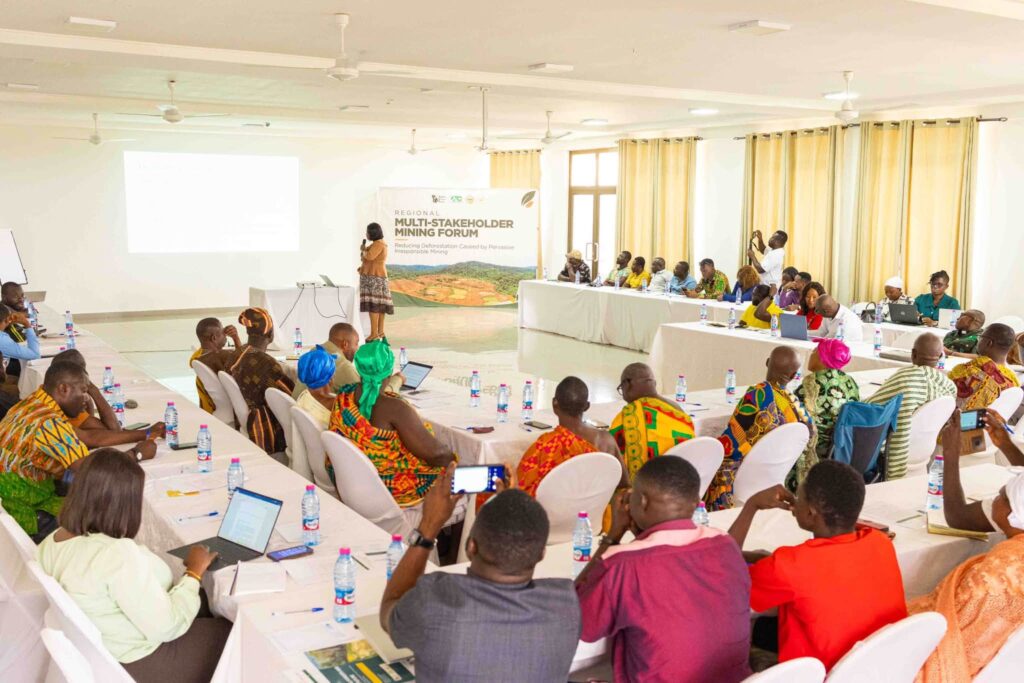
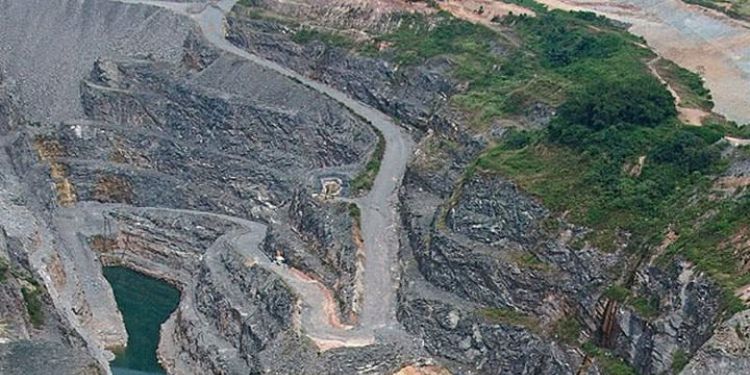
The deliberations spotlighted the intensifying pressure on the reserve driven by expanding illegal mining operations, an influx of foreign nationals, severe logistical constraints impeding the Forestry Commission, and the untapped green economic potential of the ecosystem.
Escalating Environmental and Institutional Capacity Breakdown
Traditional leaders within the Okyeman area have voiced deep disappointment and a overwhelming sense of helplessness regarding the unchecked advancement of illegal miners into the core of the Atewa Forest Reserve.
The Okyehene, Osagyefuo Nana Amoatia Ofori Panin, highlighted that existing anti-illegal mining interventions have consistently failed to suppress the scale of encroachment due to blatant disregard for established regulatory frameworks.
The Forestry Commission remains critically under-resourced, rendering its field officers incapable of effectively policing, managing, or responding to the magnitude of threats facing the biodiversity hotspot.
Regulatory Barriers and Institutional Disconnects
Efforts by traditional leaders to bridge governance gaps have hit significant administrative roadblocks, further aggravating the crisis on the ground.
Osagyefuo Nana Amoatia Ofori Panin revealed mounting frustration over his inability to secure an engagement with the Minister for Lands and Natural Resources despite making continuous attempts over the past eight months.
This prolonged breakdown in communication underscores severe institutional disconnects, raising critical questions regarding how traditional authorities can meaningfully fulfill their customary duties of safeguarding ancestral lands when state mechanisms grant them limited influence over decisions and regulatory activities occurring within forest reserves.
National Security Implications and Green Economic Pathways
The crisis has surpassed standard ecological concerns, evolving into a direct threat to state sovereignty and national security due to violent confrontations and foreign involvement within the forest.

Severe incidents involving the reported hostage-taking and physical assault of Forestry Commission officers by foreign nationals conducting illegal mining operations highlight a dangerous breakdown of state authority within protected zones.
Beyond the immediate security threats, stakeholders emphasize that protecting Atewa is economically imperative, as the reserve holds vast opportunities for sustainable livelihoods, ecotourism, and community-centered green enterprises that offer far greater long-term value than destructive mineral extraction.
READ ALSO: Kweku Smoke Announces Debut US Headline Concert in Washington DC