
Africa’s growing electricity needs are putting nuclear power back at the centre of the continent’s energy debate, with Ghana’s Nuclear Regulatory Authority (NRA) arguing that nuclear generation could provide the dependable electricity base needed to support industrial expansion.
The argument comes as African economies face a difficult energy equation: electricity demand is rising, industries require more reliable power, and governments are simultaneously under pressure to reduce emissions and diversify their energy systems.
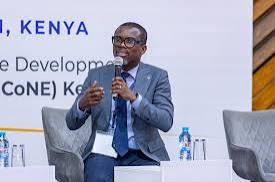
Professor Francis Kwame Otoo, Director-General of the NRA, said nuclear power could help address those competing demands because of its potential to provide reliable, scalable and low-carbon electricity.
He made the case at a side event held under the auspices of the African Commission on Nuclear Energy (AFCONE), themed “Strategic Nuclear Energy Pathways: African Nations’ Perspective.”
Reliable Power Becomes Industrial Imperative
For Africa, the nuclear debate is increasingly tied to more than electricity generation.
Industrialisation requires power that is available consistently enough to support manufacturing, processing, mining and other energy-intensive activities. Where electricity supply remains constrained or exposed to fuel-price and weather fluctuations, businesses face higher operating risks and governments are forced to devote more resources to stabilising supply.
Prof. Otoo said Africa had reached a point where rising demand for reliable energy had to be considered alongside the continent’s climate commitments.
His argument positions nuclear power as one potential source of firm generation that can operate alongside renewables rather than simply as an alternative to them.
“No African nation can build this future alone,” Prof. Francis Kwame Otoo said, calling for stronger regional cooperation, knowledge sharing and investment in the people and institutions required to develop nuclear energy safely.
The emphasis on cooperation is important because nuclear power carries requirements that extend well beyond building a reactor. Regulation, safety, security, skilled personnel, financing, waste management and public confidence all have to be developed over a long period.
Ghana Moves Beyond Nuclear Ambition
For Ghana, the discussion is particularly relevant because the country is already developing the institutional foundations for a nuclear power programme.
Prof. Otoo said Ghana’s programme was progressing beyond an aspirational stage, with work focused on infrastructure, human resources and the institutional arrangements required for nuclear power.
The country is using the International Atomic Energy Agency’s Milestones Approach to guide the development of its nuclear programme, while the NRA works to strengthen the regulatory framework that would govern nuclear activities.
That institutional preparation matters because Ghana’s nuclear ambition will ultimately be judged not only by whether the country can secure a reactor, but whether it can establish the regulatory and technical capacity to operate nuclear facilities safely and sustainably.
Recent developments also show that Ghana is building nuclear capabilities beyond electricity generation. Earlier this month, the government said site characterisation, regulatory readiness and human-capacity development were advancing, including meteorological monitoring and GIS-based verification of potential nuclear sites.
The country has also built a substantial human-capital base through nuclear education. The School of Nuclear and Allied Sciences, established through collaboration involving the Ghana Atomic Energy Commission, University of Ghana and the IAEA, has produced more than 800 master’s and PhD graduates in nuclear-related disciplines, according to government.
This provides Ghana with an important foundation as it considers the much more demanding transition from nuclear research and applications to nuclear power generation.
One Nuclear Model Cannot Fit Africa
The NRA’s position also carries a warning against treating nuclear power as a one-size-fits-all solution for Africa.
African countries differ significantly in electricity demand, grid size, financial capacity and institutional readiness. A large conventional reactor that may be appropriate for a country with a sizeable grid and substantial electricity demand may not be suitable for a smaller system.
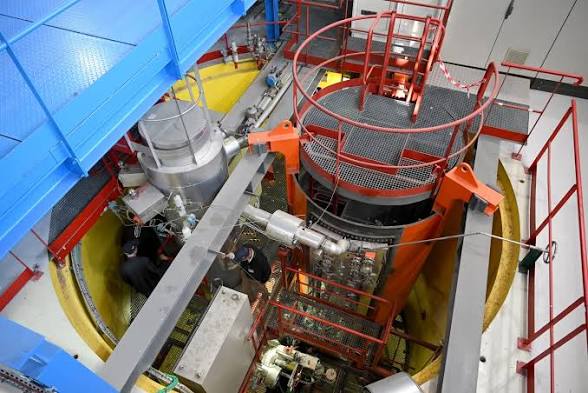
Prof. Otoo therefore argued for flexibility, with African countries considering technologies ranging from large reactors to Small Modular Reactors (SMRs), depending on their individual circumstances.
That distinction is important because nuclear projects require large upfront investments and long development periods. Choosing a technology that does not match the size or characteristics of a country’s electricity system could create financial and operational risks rather than solve them.
For Ghana, the question is therefore not simply whether nuclear power can generate electricity, but how a nuclear facility would fit into the country’s existing generation mix, transmission system and long-term demand trajectory.
Regulation And Public Trust Remain Critical
The NRA also placed regulatory independence at the heart of Africa’s nuclear ambitions.
Prof. Otoo said strong and independent regulators, appropriate legislation and robust safety and security arrangements would be necessary to attract investment, establish public confidence and facilitate international cooperation.
This is one of the areas where nuclear power differs fundamentally from conventional generation.
A thermal plant can be commissioned and expanded according to relatively familiar power-sector processes. Nuclear facilities require a much broader regulatory architecture covering site selection, construction, operation, safety, security and eventual decommissioning.
For Ghana, strengthening the NRA’s capacity therefore forms part of the energy investment itself. The credibility of the regulator will influence how investors, international partners and the public assess the country’s programme.
The government has said Ghana is also implementing recommendations arising from an IAEA Integrated Regulatory Review Service mission as part of efforts to strengthen its nuclear safety and security framework.
Human Capital Could Determine Success
Financing and technology may attract the most attention in nuclear discussions, but the NRA says people will be equally decisive.
Prof. Otoo called for sustained investment in nuclear education, training and knowledge management, alongside greater cooperation among African countries.
That requirement reflects the specialised nature of nuclear power. Developing a plant without developing the workforce capable of regulating, operating and maintaining the supporting systems would create a long-term vulnerability.
Ghana’s existing nuclear education ecosystem could therefore become an important asset as the programme progresses.
The country’s nuclear capabilities already extend into healthcare, agriculture, nutrition, water management and environmental applications.
Government has highlighted the use of nuclear and isotopic techniques in cancer care, groundwater research, agriculture and food safety, demonstrating that the country’s nuclear agenda is broader than electricity generation.
Nuclear Fits Into A Wider Transition
The renewed focus on nuclear power does not necessarily place it in competition with Ghana’s renewable-energy ambitions.
Ghana’s Energy Commission has described nuclear power as part of the country’s longer-term transition strategy, alongside renewable energy, energy efficiency and natural gas. Natural gas is expected to remain an important transitional fuel while cleaner sources are expanded.
This creates a potential role for nuclear as a firm source of electricity that can complement variable renewable generation.
Solar and wind production fluctuate according to weather conditions, while hydropower is exposed to rainfall patterns. Nuclear generation, by contrast, can provide continuous output when supported by appropriate infrastructure and operating systems.
The challenge is therefore to develop a power system where each technology performs the function for which it is best suited, rather than treating the transition as a simple replacement of one fuel with another.
Regional Cooperation Could Lower The Barrier
The NRA’s call for African cooperation is also economically significant.
Nuclear development involves expertise and systems that individual countries may find expensive to develop independently.
Regulatory cooperation, technical training, knowledge sharing and common approaches could help African countries build capacity while reducing duplication.
The NRA said it would continue working with the IAEA, AFCONE, the Forum of Nuclear Regulatory Bodies in Africa and other African regulatory bodies.
For Ghana, such partnerships could help strengthen its institutional readiness while giving the country access to experience from states that are further along the nuclear-power pathway.
Ultimately, Africa’s nuclear debate is shifting from whether nuclear power should be considered to how individual countries can determine whether, when and in what form it makes economic and energy-system sense.
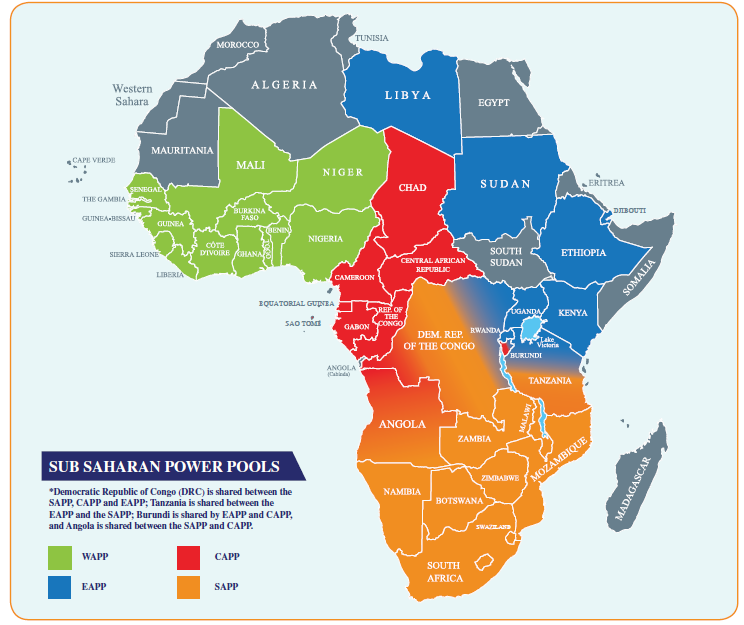
For Ghana, the immediate task remains building the regulatory, technical and human-capacity foundations that would make any future nuclear investment credible.
Prof. Otoo said Ghana was prepared to pursue that process collectively with African countries and international partners, reinforcing the view that nuclear power, if adopted, will require a regional ecosystem rather than an isolated national project.
READ ALSO: Foreign Banks Tighten Grip on Ghana’s Banking Sector