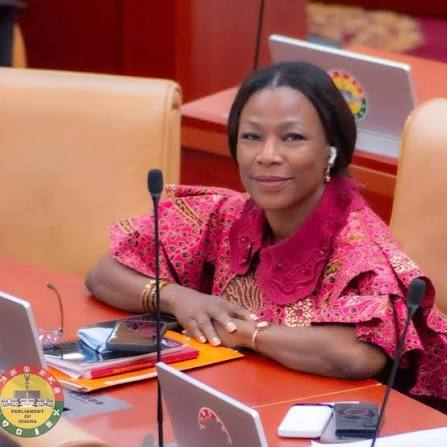
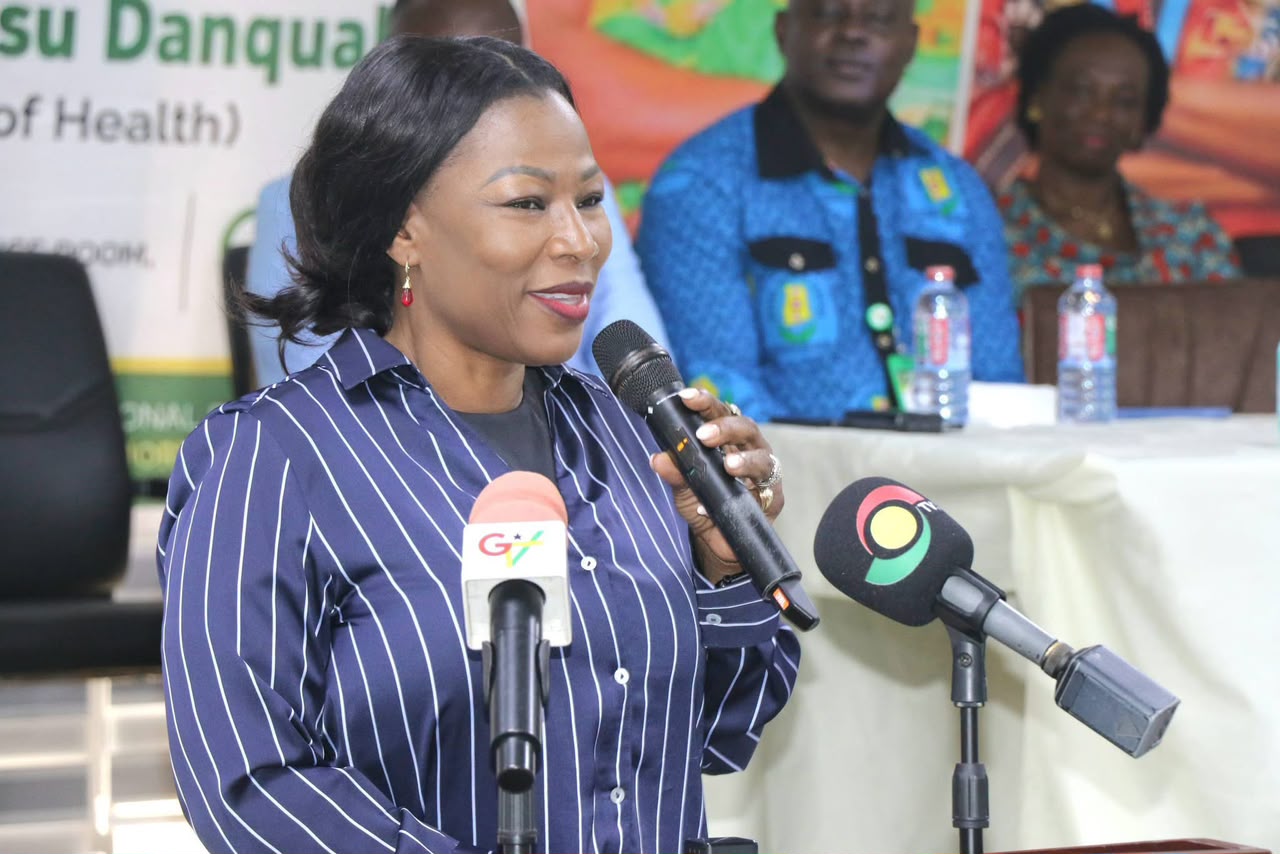
The Deputy Minister for Health, Hon. Prof. Dr Grace Ayensu-Danquah, has urged stakeholders in the fight against breast cancer to move beyond awareness campaigns and strengthen the systems that enable patients to receive timely diagnosis and treatment, as she officially launched the 2026 Breast Cancer Awareness Month.
Speaking at the launch, Prof. Ayensu-Danquah disclosed that breast cancer remains the leading cancer among women in Ghana, with an estimated 4,650 new cases and about 2,060 deaths recorded annually, underscoring the urgency of ensuring that timely diagnosis and treatment services are accessible nationwide.
Prof. Ayensu-Danquah stressed that creating public awareness about breast cancer would have limited impact if patients who presented early were unable to access the diagnostic and treatment services they needed.
Her remarks placed emphasis on strengthening the healthcare system’s capacity to respond effectively once individuals recognise warning signs and seek care.
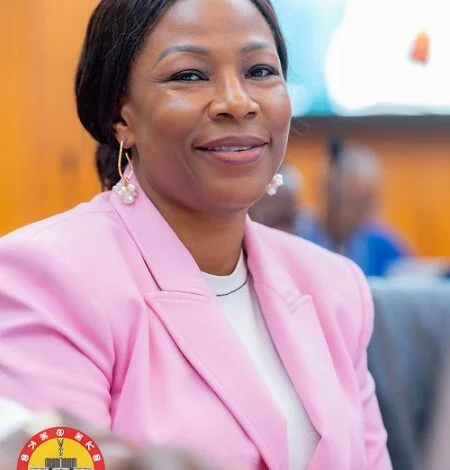
“Awareness alone means little if the system cannot deliver timely diagnosis and treatment when patients come forward.”
Hon. Prof. Dr Grace Ayensu-Danquah
This framing signals a shift in emphasis for this year’s observance, moving beyond public education toward ensuring that the country’s health infrastructure can adequately support the outcomes that awareness campaigns are meant to produce.
Ghana’s Response Guided By WHO Framework
According to Prof. Ayensu-Danquah, Ghana’s breast cancer response is guided by the World Health Organisation’s Global Breast Cancer Initiative, which focuses on four key pillars: health promotion, early detection, timely diagnosis and comprehensive treatment.
She explained that aligning the country’s approach with this international framework helps ensure that interventions are evidence-based and consistent with global best practices in cancer control.
Prof. Ayensu-Danquah encouraged members of the public to seek medical attention promptly upon noticing any warning signs associated with breast cancer.
She specifically listed breast lumps, changes in skin texture, nipple discharge or changes, and swelling in the armpit as symptoms that should prompt immediate medical evaluation rather than delay.
Dispelling Harmful Misconceptions
A significant portion of the Deputy Minister’s remarks addressed misconceptions that continue to delay treatment among breast cancer patients in Ghana.
She cautioned against practices and beliefs that could postpone timely intervention, specifically addressing the widely held but inaccurate belief that undergoing a biopsy causes cancer to spread within the body.

“A biopsy does not spread cancer, and painless breast lumps should never be ignored.”
Hon. Prof. Dr Grace Ayensu-Danquah
This clarification is particularly significant given that fear of biopsies has historically deterred some patients from pursuing diagnostic procedures, inadvertently allowing the disease to progress to more advanced and harder-to-treat stages before medical intervention occurs.
Official Launch of Awareness Month
Prof. Ayensu-Danquah formally declared the 2026 Breast Cancer Awareness Month launched, urging stakeholders across the health sector, civil society and communities to use the month-long observance to promote practical action that helps more people detect breast cancer early and access appropriate care without unnecessary delay.
The 2026 observance is being held under the theme “Early Action, Better Outcomes,” a framing that directly reflects the Deputy Minister’s emphasis on translating awareness into tangible health-seeking behaviour and improved system responsiveness.
Organisers say the month-long campaign is intended to intensify public education on breast cancer, promote early detection practices, and encourage timely access to diagnostic and treatment services across the country.
Broader Implications for Cancer Control in Ghana
The statistics shared by Prof. Ayensu-Danquah, nearly 4,650 new cases and over 2,000 deaths annually, highlight the significant burden breast cancer continues to place on Ghanaian women and the broader health system.
Her call to strengthen diagnostic and treatment infrastructure, rather than relying solely on awareness messaging, suggests an acknowledgment that gaps in healthcare delivery may be contributing to preventable deaths, even among patients who do present with symptoms early.
As the 2026 Breast Cancer Awareness Month unfolds under the “Early Action, Better Outcomes” theme, attention will likely turn to how effectively health authorities can translate the Deputy Minister’s call into concrete improvements in diagnostic capacity, treatment access and public health messaging nationwide.
Stakeholders across the health sector are expected to intensify outreach efforts throughout the month, with continued emphasis on addressing both the practical and perceptual barriers that have historically delayed breast cancer diagnosis and treatment in Ghana.
READ MORE: GES Makes Progress on Teacher Promotions, Confirms Completion of 30,000 Validation Documents