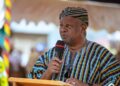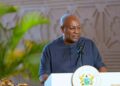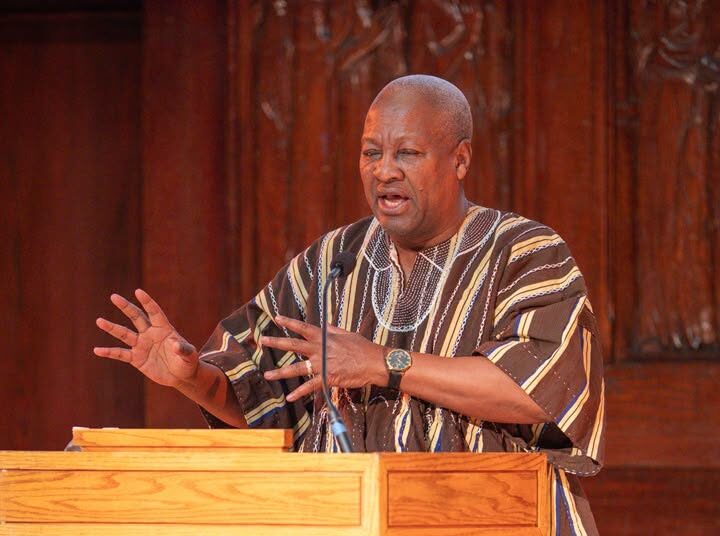
President John Dramani Mahama has detailed sweeping healthcare reforms undertaken by his administration, including the rollout of a new free primary healthcare tier and a dedicated fund for chronic illness treatment, describing the initiatives as critical steps toward achieving universal health coverage in line with the Sustainable Development Goals (SDGs).
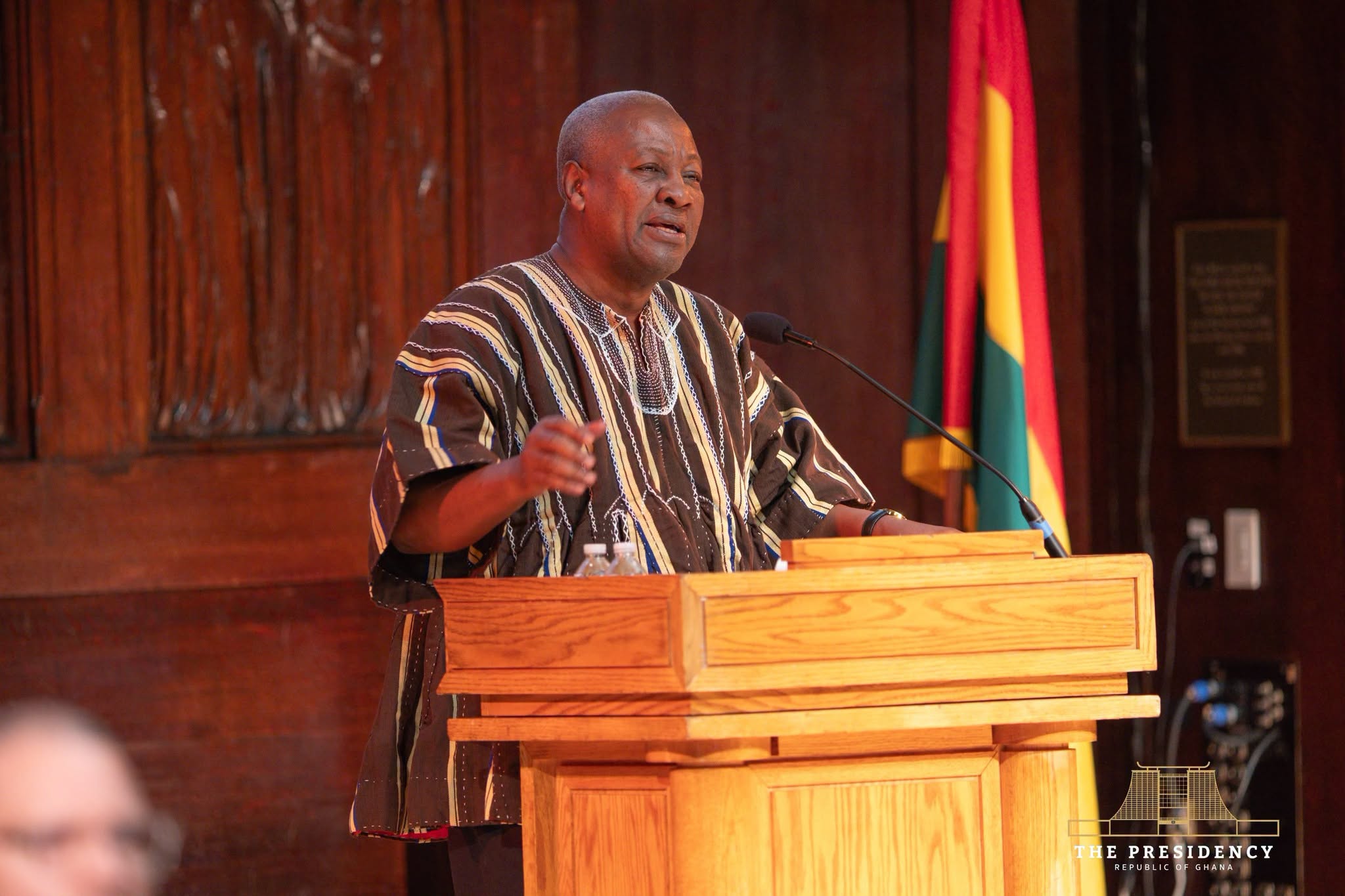
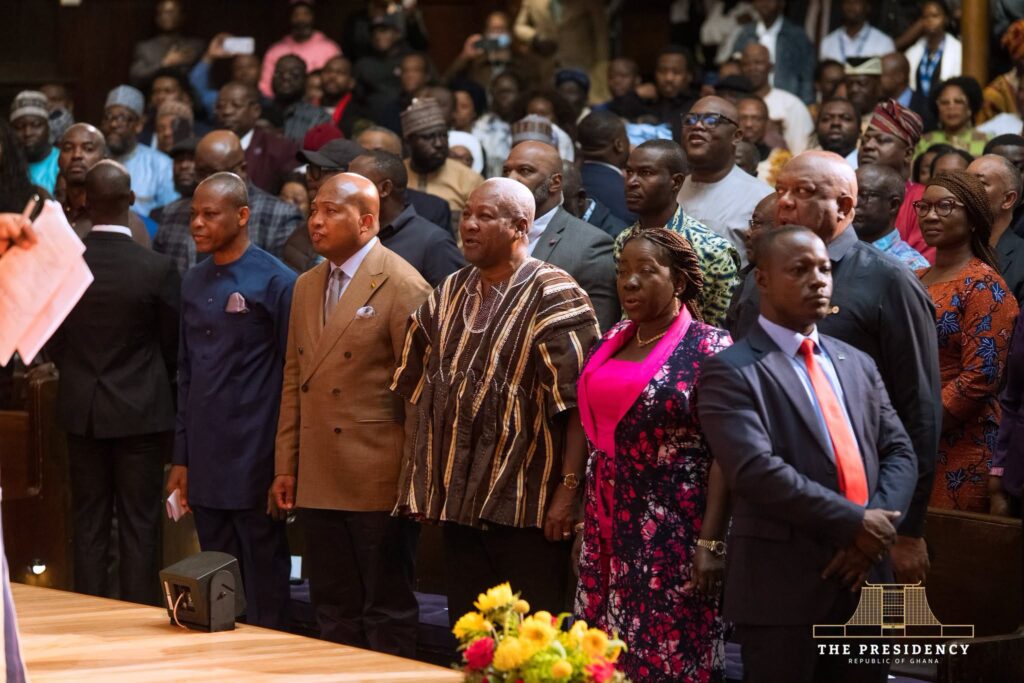
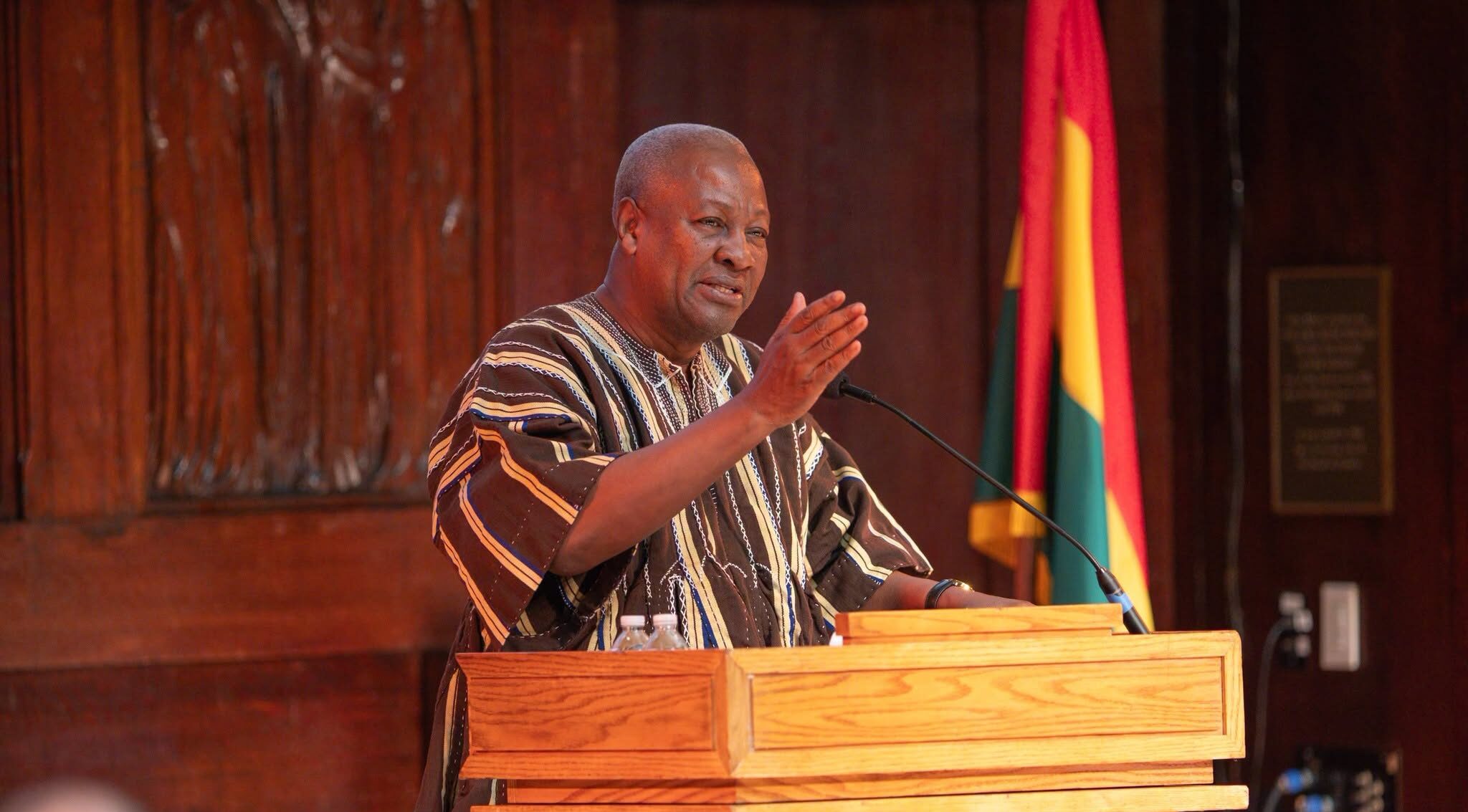
Speaking at a Townhall meeting with the Ghanaian diaspora in New York, President Mahama explained that when his administration took office, only 60 percent of Ghanaians were covered by the National Health Insurance Scheme, leaving roughly 40 percent without formal health insurance and, in many cases, relying on alternative and often unregulated sources of care.
President Mahama recalled that many Ghanaians without health insurance turned to herbalists, traditional healers, and prayer camps for treatment, a situation he said highlighted serious gaps in both access to and affordability of formal healthcare services.
He explained that since every country is expected to work toward universal health coverage under the SDG framework, his administration recognised the need to introduce an additional tier within the health system to close this gap.
This recognition led to the introduction of what he described as a free primary healthcare tier, launched earlier this year and designed to extend basic healthcare access to Ghanaians regardless of their insurance status.
Phased Nationwide Rollout
According to President Mahama, the programme initially targeted 150 of the poorest districts in Ghana, with plans to extend coverage to all 261 districts nationwide by 2028. He disclosed that by the time he travelled for the diaspora engagement, 135 of the targeted 150 districts had already been covered, leaving 15 districts outstanding.
“I have the assurance that by the end of the year, we would have covered the total 150 districts.”
H.E. John Dramani Mahama
He explained that implementation involves equipping health facilities according to their specific category, whether a clinic, a community-based Health Planning and Services (CHPS) compound, or a health centre, with the necessary logistics and equipment to deliver care effectively at each level.
Free Treatment Without Insurance Cards
A central feature of the programme, President Mahama explained, is that any Ghanaian visiting one of these facilities is not required to pay for treatment or medication, and notably does not need to present a National Health Insurance Scheme (NHIS) card to receive care.
He clarified that an NHIS card becomes necessary only in cases requiring referral to a district hospital for further treatment, a distinction he encouraged Ghanaians to bear in mind by maintaining active NHIS coverage as a safeguard.
President Mahama expressed enthusiasm for the preventive dimension of the programme, describing field and house visits conducted under the initiative in which health workers measure blood pressure, check sugar levels, discuss dietary habits, and screen for conditions such as breast cancer.
“It is better to know if you are developing an illness and have it treated than when you fall sick.”
H.E. John Dramani Mahama
He said he had encouraged religious leaders across churches and mosques to urge congregants to participate in these screenings at least once annually, framing early detection as a far more effective approach than treating illness after it has already developed, particularly citing the difficulty of recovering from a stroke compared to preventing one through early management of hypertension.
Lifestyle Change and Rising Chronic Illness
President Mahama linked the rising prevalence of conditions such as renal failure to significant shifts in lifestyle among Ghanaians, contrasting the physically demanding routines of earlier generations, who engaged in farming and hunting, with increasingly sedentary modern lifestyles centred around desk work, limited physical activity, and reliance on processed foods.
He used a relatable example involving late-night consumption of reheated banku and okro soup after a sedentary day, questioning what physical activity had been undertaken to justify such caloric intake, before broadening the point to include the risks associated with processed foods commonly consumed within diaspora communities as well.
A Dedicated Fund for Chronic Illness
To address the financial burden associated with serious chronic conditions, President Mahama highlighted the establishment of the Ghana Medical Trust Fund, into which government has committed approximately two billion cedis.
He explained that the fund is designed to subsidise treatment for Ghanaians suffering from conditions such as renal failure, cardiovascular incidents including heart attacks and strokes, easing the financial pressure associated with managing these illnesses.
Taken together, President Mahama’s remarks outlined a multi-pronged healthcare strategy combining expanded free primary care, preventive screening, and targeted financial support for chronic illness, all framed within the broader context of Ghana’s commitment to achieving universal health coverage under the Sustainable Development Goals by the end of the decade.
READ MORE: NAGRAT Demands Audit Over Inflated School Feeding Program