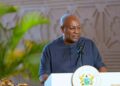
The President of the National Association of Graduate Teachers (NAGRAT), Jacob Anaba, has called for a comprehensive audit of school enrolment figures used to determine allocations under Ghana’s School Feeding Programme, following allegations that some head teachers have been inflating pupil numbers to secure larger financial allocations.
Speaking on an interview on Friday, 25 September 2026, Mr Anaba demanded a full investigation into the allegations, describing the practice as one that effectively cheats the state and undermines the integrity of a programme designed to support vulnerable schoolchildren nationwide.
Mr Anaba’s call follows concerns previously raised by the National Coordinator of the School Feeding Programme, Hajia Fati Forgor, who alleged that some head teachers have been inflating enrolment figures at their schools in order to secure higher financial allocations under the programme.
According to these concerns, this practice has resulted in genuinely needy schools being left without adequate support, as limited resources are diverted based on inaccurate enrolment data.
The allegations point to a broader concern about the integrity of data used to determine resource distribution within the programme, raising questions about how effectively current verification mechanisms are able to detect and prevent such manipulation.
Direct Call for Accountability
Reacting to these concerns, Mr Anaba was unequivocal in his condemnation of the alleged practice, framing it as a serious breach of responsibility on the part of those entrusted with delivering a critical service to schoolchildren.

“If you have been given a position to deliver something to our kids, a critical one at that, and you are inflating the figures, it means that you are cheating the system, the state, and we shouldn’t allow that to pass.”
NAGRAT
Mr Anaba specifically called for an audit to be conducted, arguing that such a process would help identify individuals responsible for inflating enrolment figures and ensure they are held accountable for their actions.
He framed the proposed audit not merely as a bureaucratic exercise, but as a necessary step toward restoring integrity to a programme that directly affects the wellbeing of schoolchildren across the country.
Concerns Over Nutritional Quality
Beyond the enrolment figures controversy, Mr Anaba also raised concerns about the nutritional quality of meals currently being provided to pupils under the School Feeding Programme.

He urged the relevant authorities to ensure that meals served to children are sufficiently nutritious to support their concentration and overall capacity to learn effectively in the classroom.
“The food they give to our children in the school should be something that will nourish them, will give them the nourishment that they can be able to sustain in the classroom.”
NAGRAT
This concern suggests that, beyond the immediate issue of enrolment data manipulation, there remain broader questions about whether the programme, even when properly funded and allocated, is delivering meals of adequate nutritional value to achieve its intended educational and health outcomes for pupils.
Wider Implications for the Programme’s Integrity
The allegations of inflated enrolment figures raise significant concerns about the broader administration of the School Feeding Programme, a initiative designed to support school attendance and nutrition among Ghanaian children, particularly those from vulnerable backgrounds.
If left unaddressed, such practices could result in a systematic misallocation of resources, with funds intended for genuinely needy schools instead being diverted to institutions that have manipulated their enrolment data.
Mr Anaba’s intervention as a leading voice within the teaching profession lends additional weight to the calls for an audit, given NAGRAT’s direct engagement with school-level realities across the country.
His public backing of the allegations raised by the programme’s National Coordinator suggests a level of consensus among key education stakeholders regarding the need for greater oversight and accountability within the programme’s administration.
As calls for an audit gain traction, attention will likely turn to how quickly government and programme administrators respond to these demands, and whether a formal investigative process is initiated to verify enrolment figures across schools currently benefiting from the programme.
The outcome of any such audit could have significant implications, both for schools found to have inflated their figures and for the broader credibility of the School Feeding Programme as a mechanism for supporting vulnerable pupils nationwide.

Meanwhile, the parallel concern raised over meal quality suggests that any reform efforts may need to address not only the accuracy of enrolment data, but also the substantive nutritional standards underpinning the programme’s core objective of supporting children’s health and educational outcomes.
READ MORE: MoH Defends New 160 Regional Hospitals Amid Agenda 111 Criticism