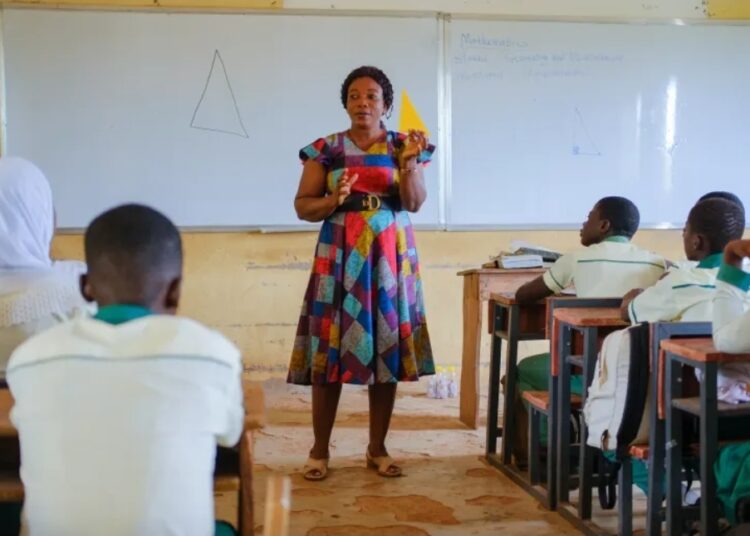
Government has earmarked GH¢48 billion for the Ministry of Education in the 2027 Budget, reinforcing its commitment to improving educational infrastructure, expanding access to learning and addressing persistent challenges across Ghana’s education sector.
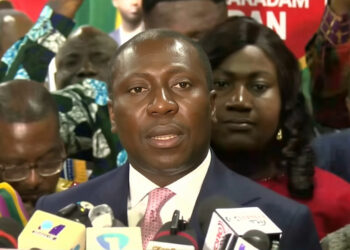
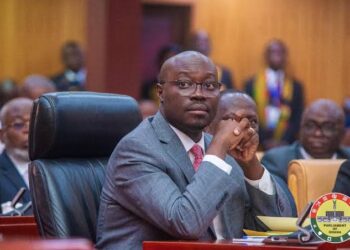
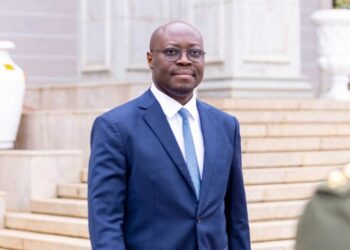
The allocation, announced by Finance Minister Dr Cassiel Ato Forson during the presentation of the 2027 Budget Statement and Economic Policy to Parliament on Thursday, November 12, 2026, covers a range of interventions targeting basic, secondary and tertiary education. The funding places particular emphasis on infrastructure development, the elimination of the double-track system in senior high schools, financial assistance for tertiary students and support for teachers and vulnerable learners.
Presenting the allocation, Dr Forson emphasised the government’s commitment to making education more accessible, stating:”We have allocated GH¢48 billion to the Ministry of Education to support teaching, learning and access to education.” A separate GH¢250 million has also been allocated to the Scholarship Secretariat to support its scholarship responsibilities, bringing the government’s announced education-related provisions under these two allocations to GH¢48.25 billion.
GH¢11.2 Billion Earmarked for Infrastructure and Secondary Education
Infrastructure development accounts for a significant portion of the Ministry’s allocation, with GH¢11.2 billion designated for the Ghana Education Trust Fund (GETFund) to support the development of educational facilities.The investment comes against the backdrop of longstanding infrastructure constraints, including overcrowded classrooms and inadequate facilities in several schools.
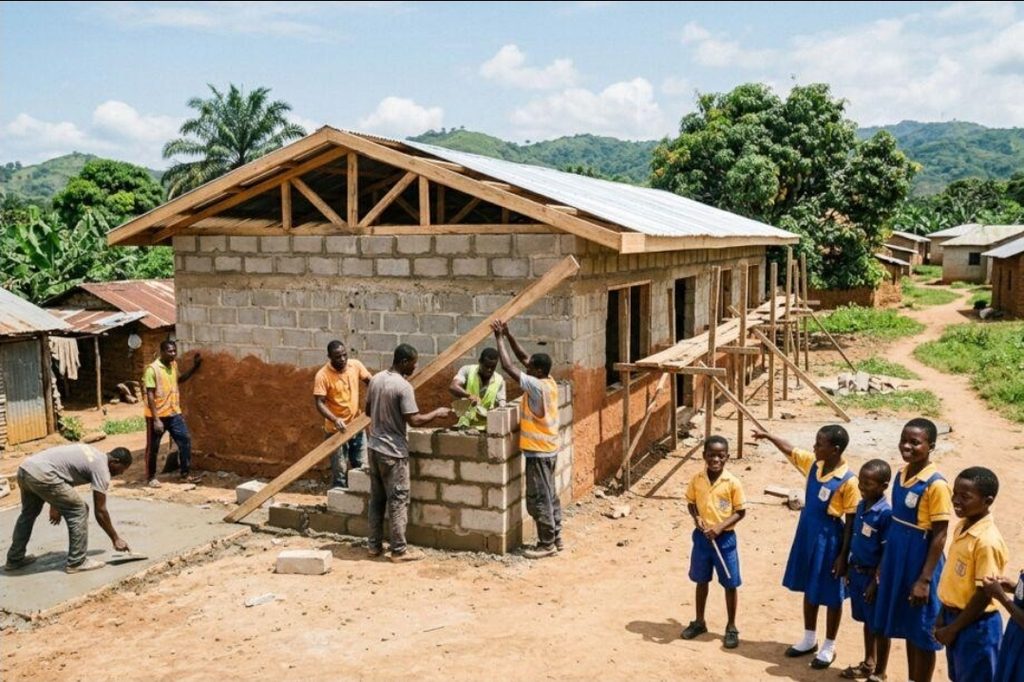
The government has also earmarked GH¢1.37 billion for the transformation of secondary education and the elimination of the double-track system. The intervention forms part of broader efforts to improve the organisation of senior high school education and restore a more conventional academic calendar. The double-track arrangement, introduced to accommodate increased enrolment under the Free Senior High School programme, has required students to attend school in alternating groups.
President John Dramani Mahama has previously maintained that the system must be phased out to increase contact hours between teachers and students and improve educational outcomes. The additional funding is therefore expected to support the infrastructure and other requirements necessary for the transition, although the specific projects and implementation schedule for the 2027 allocation were not detailed in the budget extract.
No Fees Stress Policy Receives GH¢537 Million
Expanding access to tertiary education also features prominently in the government’s spending priorities, with GH¢537 million allocated to the No Fees Stress Policy for first-year students.The initiative seeks to reduce the financial difficulties associated with entering tertiary institutions, particularly for students whose families struggle to meet academic fee requirements.

The allocation builds on the policy’s implementation in previous academic years. In June 2026, Education Minister Haruna Iddrisu disclosed that 312,448 students had benefited from the intervention across the 2024/2025 and 2025/2026 academic years, at a total cost of approximately GH¢888.8 million. The 2027 provision signals the government’s intention to sustain the intervention and prevent financial circumstances from becoming a barrier to higher education.
Beyond tertiary education, the budget provides GH¢169 million to cover Basic Education Certificate Examination (BECE) fees and GH¢166 million for the Capitation Grant, which supports public basic schools. An additional GH¢133 million has been allocated to existing education interventions to sustain support for teaching and learning.
GH¢292 Million for Sanitary Pads, GH¢227 Million for Teacher Trainees
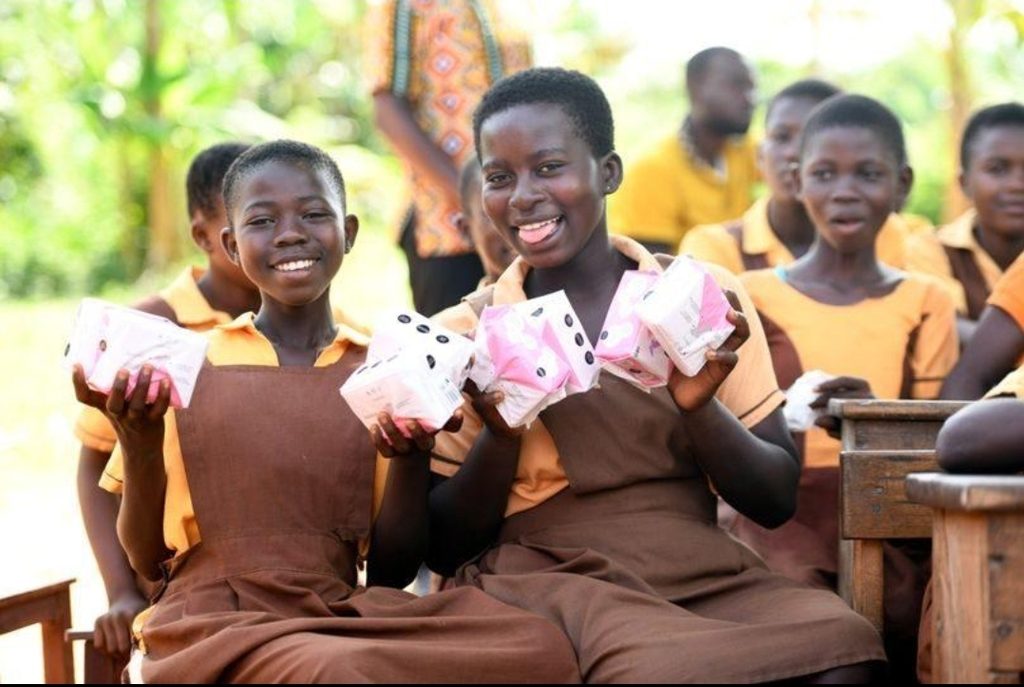
The budget also addresses challenges affecting school participation and teacher development, particularly among girls and individuals preparing to enter the teaching profession. Government has allocated GH¢292 million for the distribution of free sanitary pads to support girls’ participation in education. The intervention seeks to address menstrual hygiene-related barriers that can affect girls’ regular attendance and participation in classroom activities.
Another GH¢227 million has been earmarked for teacher trainee allowances, providing financial support to individuals undergoing professional preparation to become teachers.The allocation reflects the government’s continued investment in teacher development, recognising the importance of a supported teaching workforce to the delivery of quality education.
Special Schools and Scholarship Secretariat Receive Additional Support
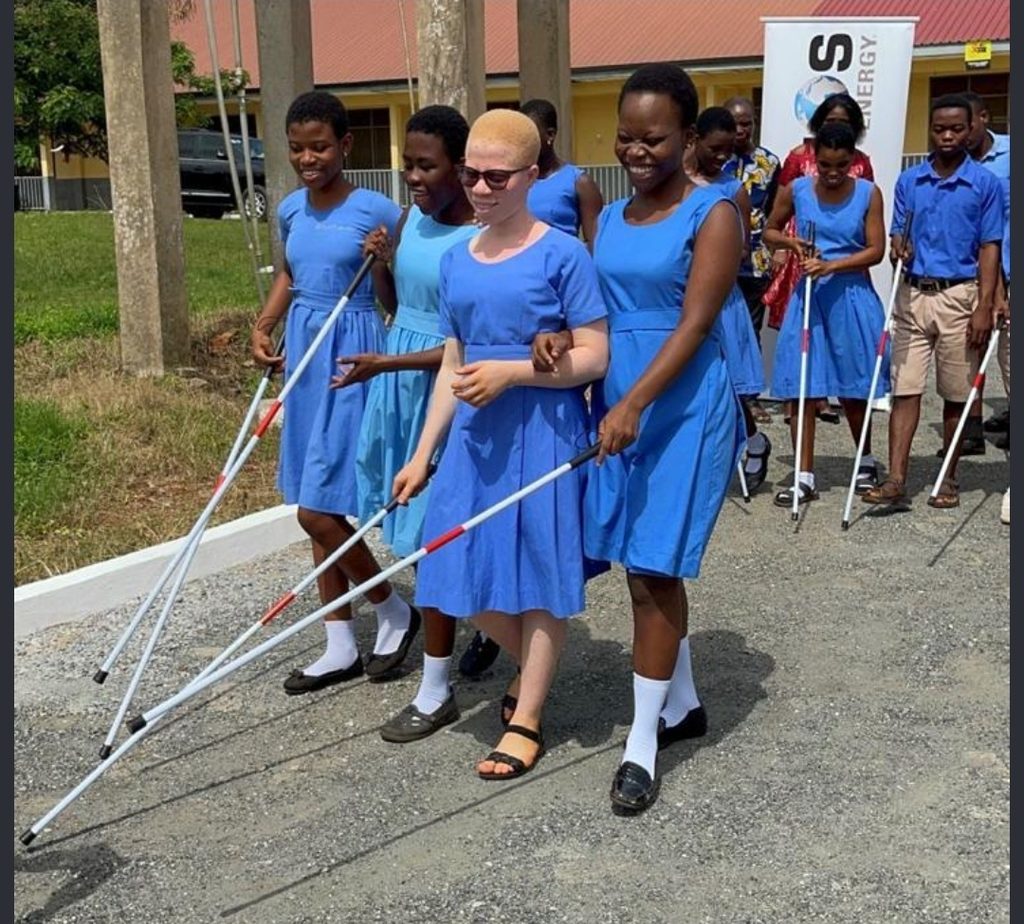
Learners requiring specialised educational provision have also been included in the 2027 spending framework, with GH¢50 million allocated to special schools.The funding is intended to support institutions catering to students whose educational needs require specialised facilities, resources and teaching approaches.
Although comparatively smaller than the allocations for infrastructure and secondary education, the provision highlights the inclusion of learners who may require additional support to participate meaningfully in the education system.
Separately, the Scholarship Secretariat will receive GH¢250 million to support its scholarship responsibilities, providing another avenue for financial assistance to students pursuing educational opportunities. Overall, the 2027 education allocation reflects a broad spending approach that combines infrastructure investment with interventions targeting affordability, teacher welfare, gender inclusion and specialised learning needs.
However, the impact of the GH¢48 billion commitment will ultimately depend on the timely release of funds, effective implementation and accountability in the use of public resources. For students, parents and educators, the central expectation will be whether these financial commitments translate into better learning conditions and more equitable educational opportunities across the country.
READ ALSO: Government Allocates GH¢40.3bn to Ghana’s Healthcare Delivery in 2027