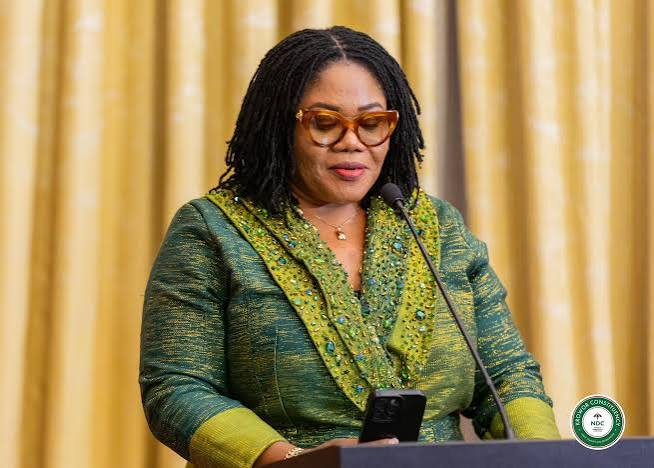
The Ministry of Gender, Children and Social Protection (MoGCSP), on behalf of the Government of Ghana, has joined older persons, families, communities, civil society, development partners and the international community to commemorate the 2026 International Day of Older Persons, issuing a statement outlining Ghana’s response to a rapidly ageing population.
The Ministry said this year’s theme reflects a defining reality of the present era, namely that people are living longer, placing on every nation the task of ensuring that these additional years are lived in good health, with dignity, security, independence and purpose.
According to the Ministry, Ghana is undergoing a significant demographic transition. Citing the 2021 Population and Housing Census, the statement noted that the number of people aged 60 and above rose from 213,477 in 1960 to 1,991,736 in 2021, representing nearly a tenfold increase, with projections indicating the figure will reach 5.7 million by 2050.
The Ministry said this demographic shift brings real opportunities for the country, but also requires strengthened income security, healthcare, care and support services, age-friendly communities, and stronger protection of older persons’ rights.
The statement emphasised that older persons remain vital contributors to national life, continuing to play significant roles through caregiving, farming, business, community leadership, mentoring, and the transfer of knowledge and culture across generations.
“Older persons are not merely beneficiaries of programmes, they are citizens with rights, skills, experience and aspirations.”
MoGCSP
Legal Framework Guiding the Response
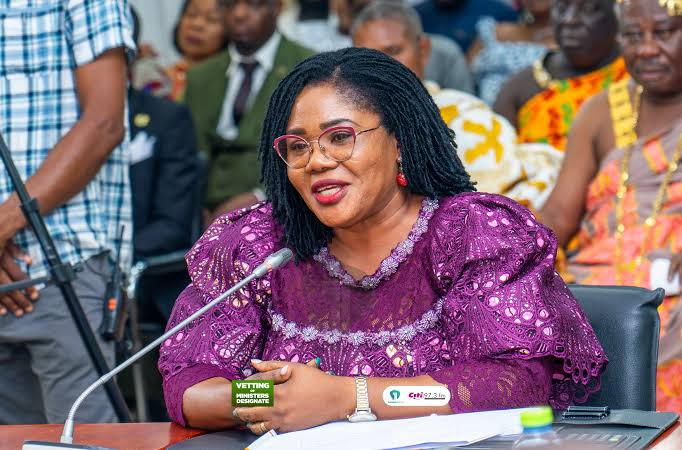
The Ministry noted that its work is guided by the Social Protection Act, 2025 (Act 1148) and the Social Protection Regulations, 2026 (L.I. 2521), under which it is collaborating with relevant Ministries, Departments and Agencies to strengthen Ghana’s overall response to ageing.
Among the priorities identified by the Ministry is the expansion of social protection support through the Livelihood Empowerment Against Poverty (LEAP) Programme, alongside efforts to make broader social protection systems more responsive to longer lives and evolving family structures.
On healthy ageing, the Ministry said it is working with the health sector to promote preventive care, early detection and management of non-communicable diseases, mental health support, rehabilitation services, and geriatric, long-term and home-based care.
Addressing Rights and Protection Concerns
The statement also highlighted an ongoing policy review process aimed at updating the 2010 National Ageing Policy to reflect current realities, with particular focus on healthy longevity, rights, care, participation and data.
On coordination, the Ministry said it is strengthening the National Technical Committee on Ageing (NTCA) to guide a more coordinated national response to ageing-related issues.
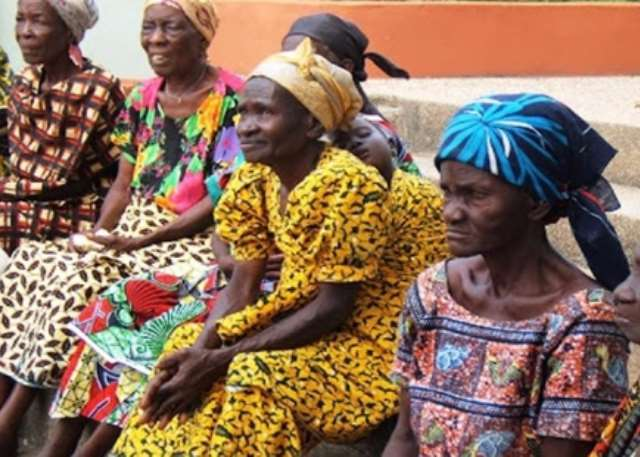
The Ministry further committed to addressing age discrimination, neglect, abuse and exploitation affecting older persons, including through the Orange Support Centre, while working to ensure that older persons have a voice in decisions that directly affect their lives.
On care systems, the statement emphasised the importance of strengthening family, community and formal care structures, while specifically recognising and supporting unpaid family caregivers who play a central role in supporting older relatives.
Preparing For Longevity Begins Early
The Ministry stressed that preparing for longevity must begin long before old age itself, noting that investments in education, decent work, healthy lifestyles, accessible healthcare, safe housing and inclusive communities all shape how well individuals age in later life.
The Ministry called on all Ghanaians to change how society views ageing, urging recognition of older persons as active citizens with rights, skills, experience and aspirations, rather than as passive recipients of government programmes.
“Today’s young people are tomorrow’s older persons, and building systems for longer lives is an investment in all of us.”
MoGCSP
The statement called for stronger solidarity between generations, framing the challenge of ageing as a shared, intergenerational responsibility rather than one confined to older persons or the institutions directly serving them.
A Renewed Commitment
As Ghana marks the 2026 International Day of Older Persons, the Ministry reaffirmed government’s commitment to building a Ghana where every citizen can grow older with dignity, security and the continued opportunity to contribute meaningfully to national life.
With Ghana’s older population projected to nearly triple by 2050, the priorities outlined by the Ministry, spanning social protection, healthcare, policy reform, coordination and rights protection, are likely to shape ongoing national conversations about how the country prepares its systems and communities for a rapidly ageing demographic in the decades ahead.
READ MORE: Ghana Records 4,650 New Breast Cancer Cases Annually – Deputy Minister