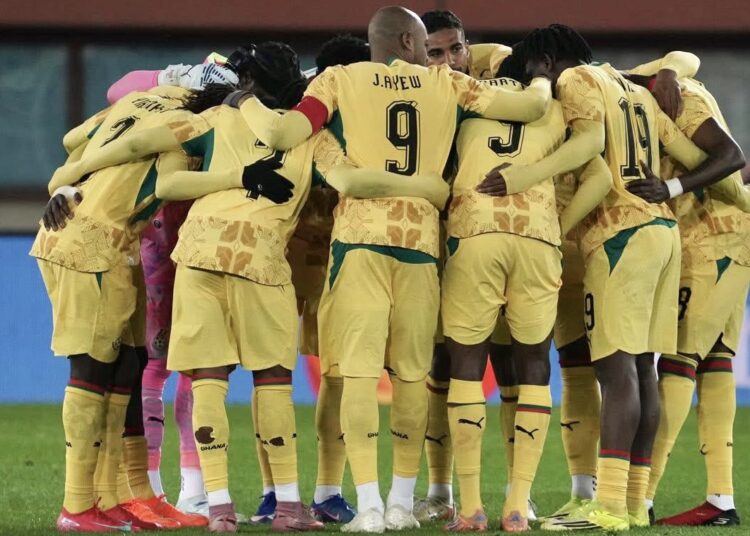
Ghana’s search for a new Black Stars head coach has opened another debate about the deeper problems confronting the country’s football, with Nigerian football analyst David Adesina arguing that the solution must extend well beyond replacing Carlos Queiroz.
The Ghana Football Association and the Ministry of Sports and Recreation have constituted a five-member committee to identify and recommend a new coach following Queiroz’s departure after the Black Stars’ difficult start to the 2027 Africa Cup of Nations qualifiers.
The committee is chaired by former GFA Vice-President Fred Pappoe and includes former Black Stars captain Stephen Appiah, former international Anthony Baffoe, lawyer and football administrator Agbesi Dzakpasu and high-performance specialist Faisal Chibsah.
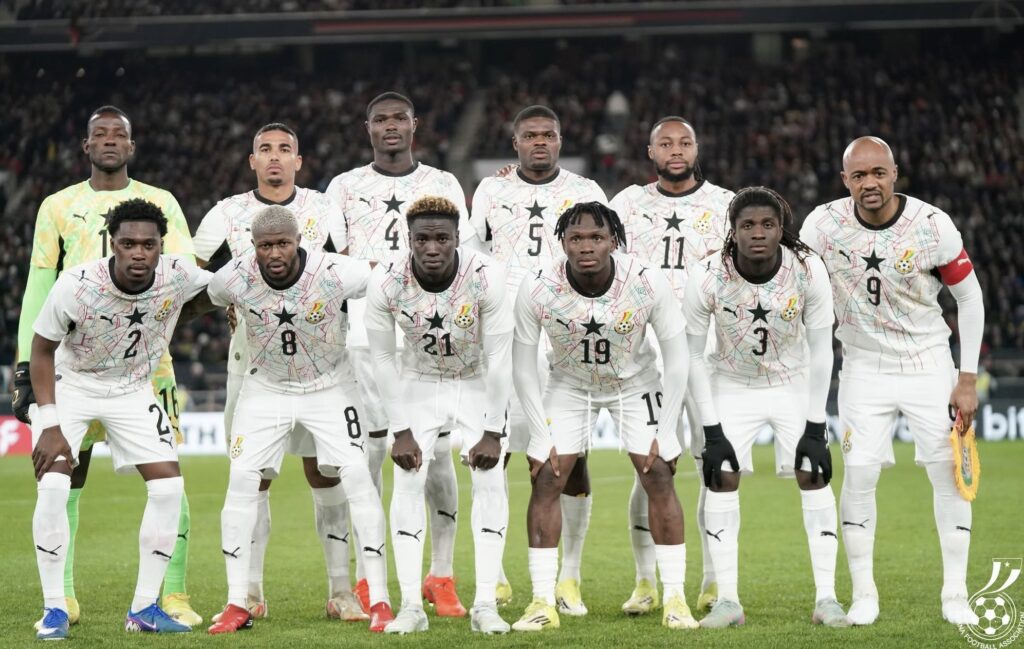
The appointment process comes after Ghana lost their opening two Group C matches, falling 2-0 to Côte d’Ivoire in Bouaké before suffering a 4-2 home defeat to The Gambia.
Those results have intensified calls from sections of the Ghanaian football public for accountability at the GFA, with President Kurt Edwin Simeon-Okraku becoming a particular target of criticism.
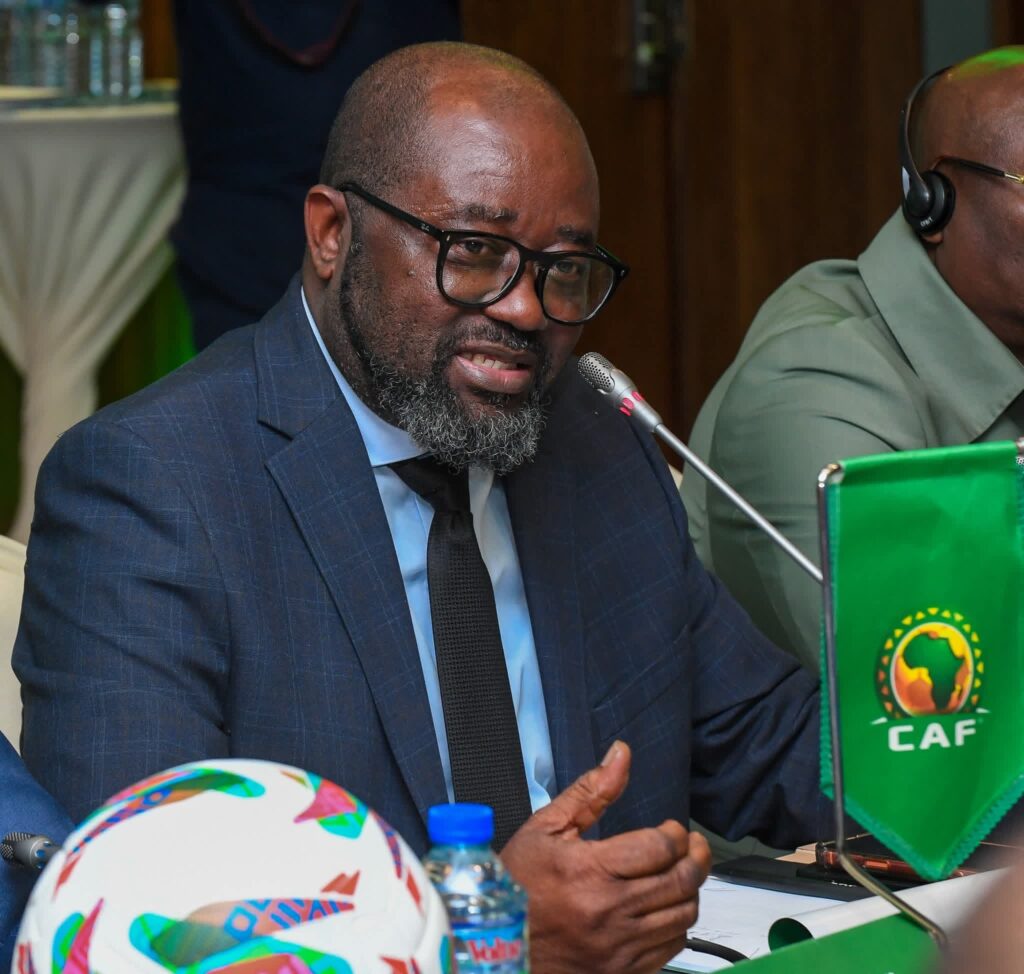
The Sports Ministry, however, has ruled out dissolving the GFA and instead opted for a restructuring approach involving the association.
The latest measures go beyond the Black Stars. The Ministry has directed changes to national-team management structures, proposed a clearer development pathway for the U15, U17 and U20 teams and called for stronger scouting of domestic players. A Public Interest Committee is also expected to monitor implementation of the reforms.
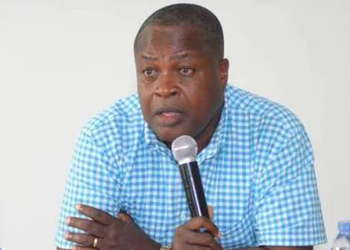
Adesina, who was speaking to The Vault News about the contrasting fortunes of Ghana and Nigeria, believes Ghana’s current difficulties are the product of problems that have accumulated over time.
“It’s something disheartening,” he said when reflecting on Ghana’s decline from a regular AFCON semi-finalist to a country that failed to qualify for the most recent tournament.
Ghana’s recent decline is particularly striking because the Black Stars featured in every AFCON semi-final from 2008 to 2019, but have since experienced successive group-stage disappointments and, most recently, failed to qualify for the tournament.
For Adesina, the current crisis should therefore not be reduced to the performance of one coach or one qualifying window.
Adesina: Ghana and Nigeria Need Right Football People in Administration
Adesina believes one of the most important changes required in Ghana and Nigeria is a stronger emphasis on football expertise in administration.
“For Nigeria, grassroots development is paramount and we need those who understand football to administer football. Give those who have shown their track record, who we can see their track record, have shown that they can do it very well, the chance to administer football.”
David Adesina, Nigerian Football Analyst
His comments come against the backdrop of a major administrative shake-up in Nigeria. Nigeria Football Federation (NFF) President Ibrahim Musa Gusau resigned on August 27, alongside General Secretary Mohammed Sanusi and members of the federation’s Executive Committee.
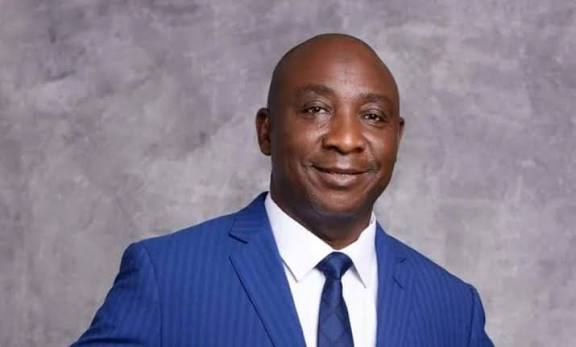
Nigeria subsequently began a reform process, with the government announcing plans for comprehensive changes to football administration and development.
That makes Nigeria an interesting comparison for Ghana.
Despite the Super Eagles’ own problems, including failure to qualify for the 2026 FIFA World Cup, Adesina believes Nigerian football is currently “slightly” ahead of Ghana in terms of its overall position.
Nigeria has also endured serious institutional turbulence, meaning the difference is not necessarily evidence of a settled system. Rather, it reflects two football nations dealing with different forms of crisis.
For Adesina, the answer begins at the foundation. “Grassroot development is essential,” he stressed, arguing that both Ghana and Nigeria need systems capable of identifying and developing players before they reach the senior national teams.
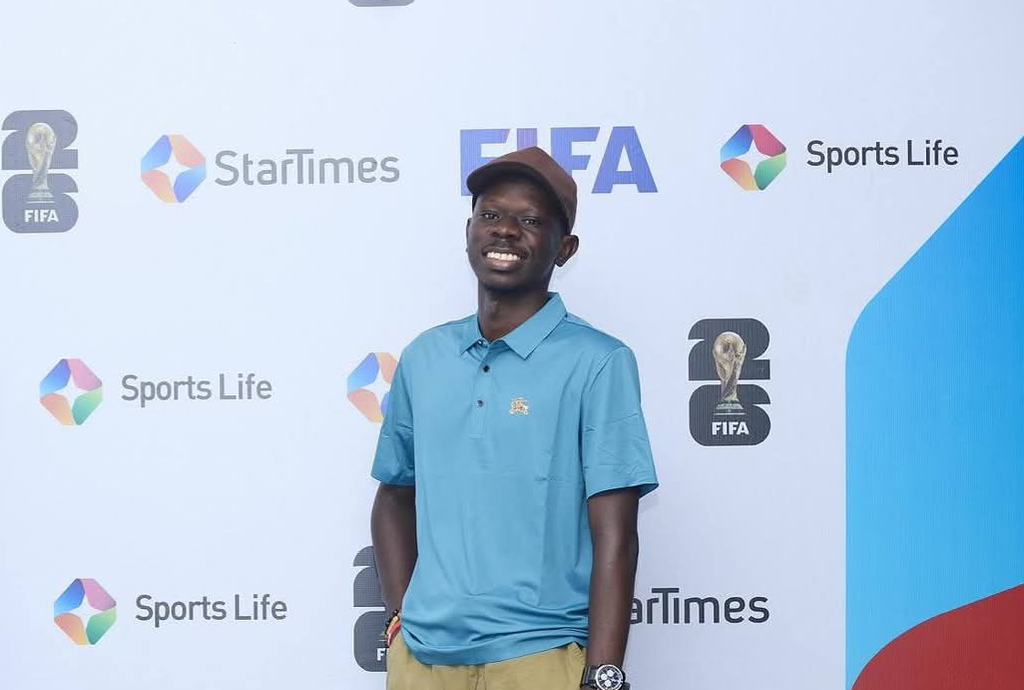
He also called for greater attention to coaching education, arguing that developing coaches should be treated as part of the wider football development strategy rather than as an afterthought.
Facilities and Development Must Accompany the Coaching Change
Adesina also identified stadium infrastructure as another problem affecting both West African football giants.
“Ghana’s got poor stadiums, Nigeria is 80, 90 percent,” he said, before adding that Ghana’s situation is, in his view, worse.
Ghana currently has only one CAF approved stadium which is the Accra Sports Stadium.
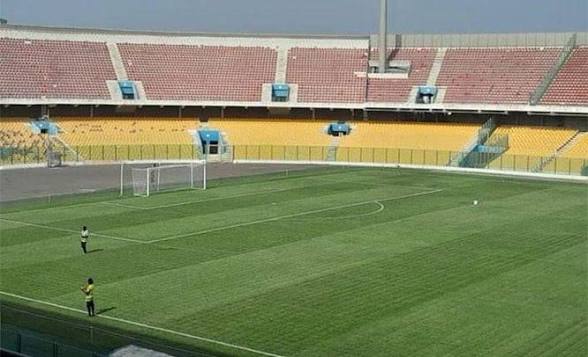
The analyst’s assessment comes as the Sports Ministry seeks wider changes to Ghana’s football structures.
Among the proposals is for the next Black Stars coach to reside in Ghana and maintain regular contact with the domestic league, while the GFA Technical Directorate is expected to work more closely with schools, grassroots programmes and academies.
That approach directly addresses one of Adesina’s central arguments: the senior national team cannot be separated from the health of the domestic football system.
The Nigerian analyst believes Ghana and Nigeria have historically possessed enough talent to remain major forces in African football, but that talent needs a functioning pathway.
“We know the Ayew brothers… Asamoah Gyan and others,” he said, pointing to the generations of players produced by Ghana. He also referenced Nigeria’s development of players from the grassroots level into international stars.
The challenge, therefore, is whether the current reforms can move beyond immediate reaction and create continuity.
Ghana’s five-member search committee has been given the immediate responsibility of finding a new Black Stars coach, while the Ministry and GFA are simultaneously considering changes to youth development, domestic scouting, management committees and technical structures.
Adesina’s message is ultimately that changing the coach is only one part of the equation.
“If Ghana can do the first two things very well, then they might be able to enjoy their own fair share of success,” he hedged, referring to football administration and grassroots development.
For Ghana, the present crisis therefore presents two separate questions: who should lead the Black Stars next, and what kind of football system should that coach inherit?
The first question is now in the hands of the GFA-Ministry search committee. The second is considerably bigger, and according to Adesina, it is the one that will determine whether Ghana can genuinely rebuild its position in African football.
READ ALSO: Fred Pappoe Chairs Five-Member Committee to Find New Black Stars Coach