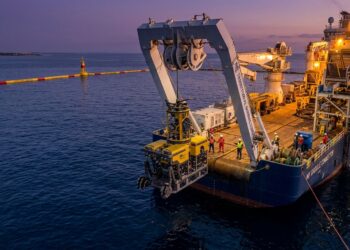
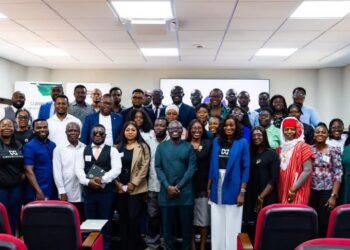
The Government of Ghana has received a stark warning from an elite coalition of Ghanaian scientists, academics, researchers, and legal practitioners regarding the severe perils of offshore mineral exploitation.
The professional coalition issued an open letter calling for an immediate policy pause on offshore seabed mining proposals within the country’s territorial boundaries.
This decisive civil action threatens to halt recent corporate ambitions aiming to unlock shallow-water mineral wealth along the West African coast.
“Although commercial seabed gold mining has not yet been established on Ghana’s continental shelf, any future seabed mining for gold or associated minerals could have significant environmental, economic, social and legal consequences.”
Petition to the Government of Ghana
The collective pushback emerged in response to an announcement by Toronto-based GoldCoast Resource Corp., which disclosed securing 10 contiguous Offshore Reconnaissance Licenses covering roughly 10,000 square kilometres of Ghana’s western continental shelf.
Extending across 300 kilometres of coastline from Half Assini to Winneba, the license zone encompasses approximately 53% of the nation’s entire offshore shoreline.
GoldCoast aims to execute marine geophysical surveys, coring, and sediment sampling to identify shallow-water gold deposits and associated heavy minerals, triggering widespread concern across environmental and legal sectors.
Environmental Hazards and Marine Ecosystem Risks
The primary catalyst for this technical intervention is the severe ecological destruction threatened by deep and shallow-water extraction methods.
Experts emphasize that physical excavation off the coast would irrevocably disrupt diverse benthic demersal communities including sponges, corals, molluscs, and essential microorganisms that underpin marine nutrient cycling.
Because deep-water species mature at exceptionally slow rates, habitat destruction in these zones risks permanent biodiversity loss and severely undermines marine resilience against broader climate shocks.
Furthermore, oceanographers stress that seabed disturbance generates extensive sediment plumes that travel far beyond immediate license boundaries.
Increased water turbidity chokes benthic life, blocks sunlight penetration, and introduces heavy metals into the marine food web.
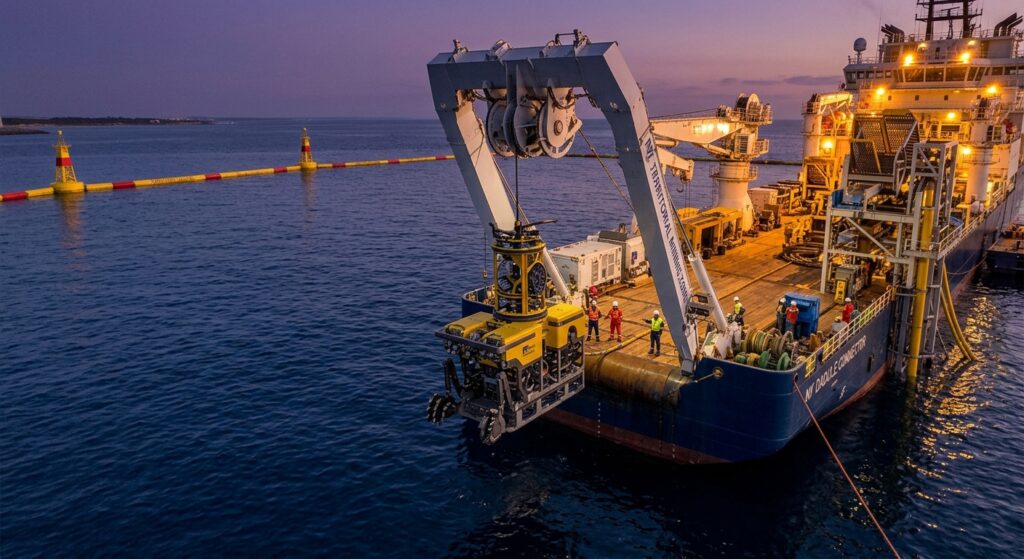
Additionally, heavy underwater machinery generates intense acoustic pollution, disrupting cetacean communication, disorienting fish populations, and threatening carbon sequestration capacity by disturbing historic sediment deposits.
Socio-Economic Vulnerabilities and Fisheries Collapse
Beyond ecological destruction, the economic rationale driving opposition highlights the direct threat seabed operations pose to national food security and coastal livelihoods.
Ghana’s continental shelf contains critical breeding grounds for small pelagics, crustaceans, and demersal fish species that sustain thousands of local families.
A collapse in local fish stocks due to habitat destruction, noise, and chemical contamination would devastate artisanal fishing communities from Half Assini to Winneba, destabilizing local market supply chains.
The release of heavy metals such as mercury, arsenic, cadmium, and lead presents an urgent public health crisis through toxic bioaccumulation.
Marine biologists note that as top predators and commercial fish ingest contaminated sediment particles, toxic burdens accumulate up the food chain, ultimately threatening human consumers.
Coastal economies reliant on stable fisheries and marine commerce face systemic collapse if industrial seabed dredging contaminates regional supply channels.
Corporate Ambitions Versus Legal Frameworks
The urgent need for this preventive initiative stems from a fundamental conflict between rapid foreign extractive expansion and Ghana’s fragile marine regulatory framework.
While GoldCoast Resource Corp. seeks to capitalize on gold-bearing river systems draining onshore mineral belts, legal experts caution that offshore mining licenses create complex jurisdictional overlaps with existing petroleum operations and maritime transport lanes.

Proceeding without robust, tailor-made legal and environmental safeguards creates significant legal exposure and operational conflicts across Ghana’s exclusive economic zone.
Ultimately, the coalition’s open letter serves as a crucial preventive measure to safeguard Ghana’s sovereign ocean resources before commercial precedent is set.
By raising early legal and scientific objections, stakeholders aim to ensure that short-term extractive gain does not supersede long-term socio-economic stability, marine heritage, and coastal security.
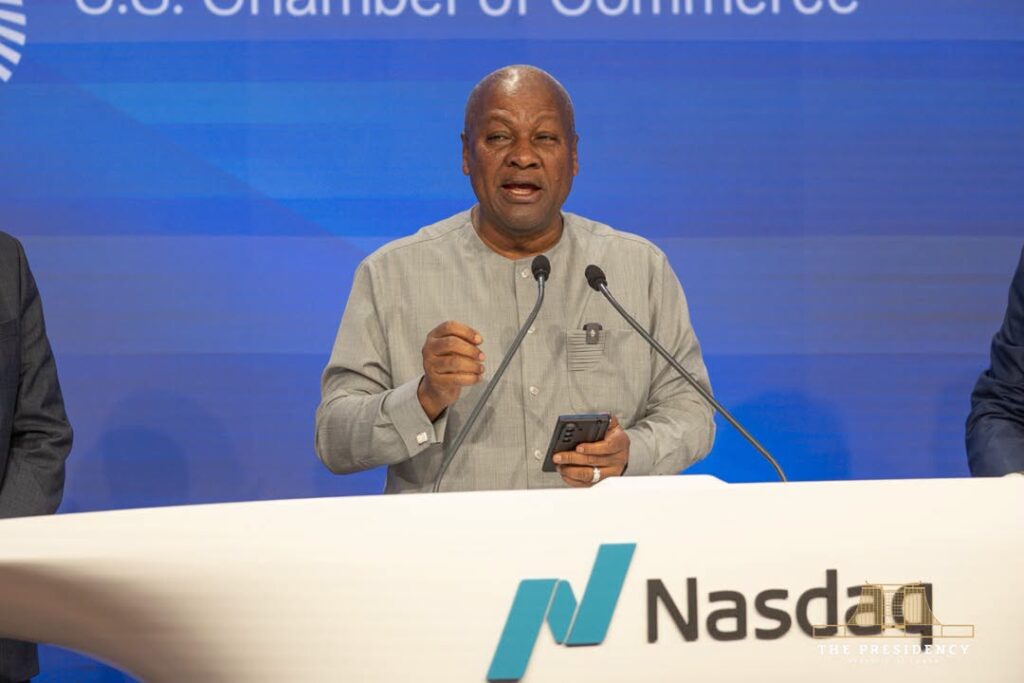
President Mahama now faces growing pressure to uphold statutory environmental duties and protect the Gulf of Guinea from unmitigated seabed exploitation.
READ ALSO: Adesina Argues For Structural Reset in Ghana Football