The Energy Commission is seeking to strengthen the participation of Ghanaian businesses in the electricity supply industry by encouraging procurement entities to integrate local content requirements into bid processes from the earliest stages.
The Commission says procurement decisions in the power sector should no longer be viewed solely through the lens of securing infrastructure or equipment, arguing that the way contracts are designed and evaluated can also determine how much value remains within the Ghanaian economy.
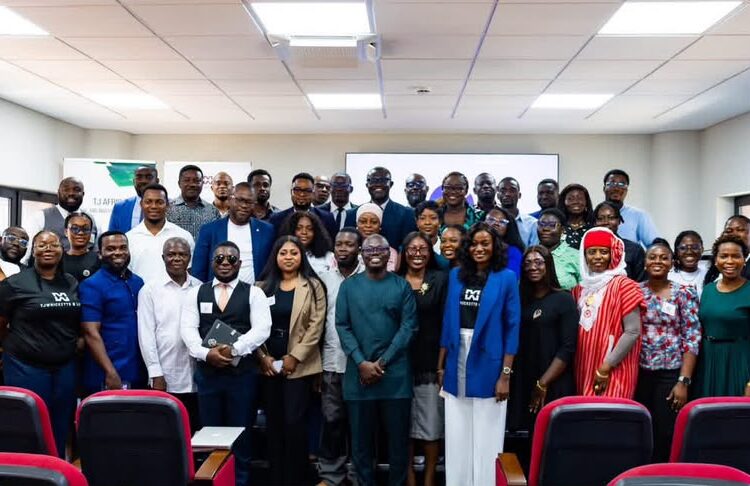
The position was emphasised at a Bid Evaluation Sensitisation Workshop organised by the Energy Commission in partnership with TJ Africa, which brought stakeholders together to examine procurement procedures, bid evaluation and local content obligations under the Electricity Supply Industry Act framework.
At the centre of the engagement was Legislative Instrument 2354 (L.I. 2354), which establishes requirements for local content and local participation in Ghana’s electricity supply industry.
For the Commission, compliance with the instrument is not simply a regulatory exercise. It has implications for employment, business development and the ability of domestic companies to build capabilities in a sector that requires substantial investment.
“Procurement decisions in the electricity supply industry have implications beyond infrastructure delivery, including value for money, job creation and the growth of Ghanaian businesses,”
Executive Secretary of the Energy Commission, Ms Adwoa Serwaa Bondzie
Procurement Can Shape Industrial Participation
The growing emphasis on procurement reflects a broader challenge facing Ghana’s energy sector: how to ensure that the large sums spent on electricity infrastructure translate into wider economic benefits.

Power projects require equipment, engineering services, construction, technical expertise, maintenance and other support services.
If procurement processes are designed without considering domestic participation, much of the economic activity generated by these investments can remain outside the country.
The Commission therefore wants local content considerations to become part of procurement planning rather than an issue addressed after major contracting decisions have already been made.
“Local content requirements must be incorporated into procurement processes from the outset,” Ms Bondzie stressed.
This approach shifts the focus from simply asking whether a Ghanaian company can participate in a contract to considering, from the beginning, how procurement can create realistic opportunities for local firms while maintaining the technical and commercial standards required by the electricity industry.
That balance is important.
Local participation requirements cannot deliver meaningful industrial development if they result in contracts being awarded without sufficient consideration for technical capacity, competitiveness or value for money.
Equally, procurement systems that prioritise cost or technical specifications without creating pathways for qualified Ghanaian businesses can limit the development of domestic capabilities.
The challenge, therefore, is to make local content part of the architecture of procurement without weakening the quality and reliability of electricity infrastructure.
Understanding The Rules Before Bids Are Submitted
The workshop provided participants with practical guidance on the requirements that businesses and procurement stakeholders must consider before tenders are submitted.
The Commission’s Procurement, Legal Services and Local Content teams took participants through tender requirements, legal considerations and key pre-bid requirements under L.I. 2354.
This focus on the pre-bid stage is significant because many of the conditions determining whether local companies can compete effectively are established before bids are evaluated.

Clear tender requirements can help potential bidders understand what is expected of them, while early consideration of local content can allow Ghanaian firms to identify partnerships, build capacity and position themselves to meet contractual requirements.
For procurement entities, it can also reduce the risk of treating local participation as an administrative requirement rather than a substantive component of project delivery.
The process ultimately requires greater coordination between procurement, legal and technical considerations.
A contract may satisfy technical specifications and still fail to generate the intended local economic benefits if local participation requirements are poorly incorporated or inadequately monitored.
The workshop’s focus on bid evaluation therefore points to a wider need for consistency in how procurement decisions are assessed across the electricity supply industry.
Value For Money Must Include Local Economic Benefits
The Commission’s position also raises a broader question about how Ghana measures value for money in energy infrastructure.
The lowest bid may appear attractive from a narrow procurement perspective, but the overall economic value of a contract can involve other considerations, including employment, skills development, domestic business participation and the creation of capabilities that can be used in future projects.
This does not mean that local participation should automatically override price or technical competence. Rather, it suggests that procurement evaluation needs to recognise the wider economic consequences of major electricity-sector investments.

For Ghana, this is particularly relevant as the electricity supply industry continues to require investment across generation, transmission, distribution, equipment supply and related services.
If domestic businesses are consistently excluded from significant parts of these value chains, the country risks remaining dependent on external suppliers even as public and private investment in the energy sector expands.
Meaningful local content can instead help create a domestic ecosystem of companies capable of supplying services and equipment, provided those companies are given opportunities to compete and are supported by appropriate standards and capacity-building.
The Energy Commission’s intervention therefore places procurement at the intersection of energy policy and industrial development.
Compliance Must Translate Into Sustainable Participation
The effectiveness of L.I. 2354 will ultimately depend not only on awareness of its provisions but on how consistently they are applied.
The Commission’s sensitisation programme is intended to strengthen understanding of the rules among industry participants and encourage greater compliance with local content and local participation requirements.

However, compliance should not end with the submission of documents or the fulfilment of contractual clauses. The broader objective is to develop Ghanaian participation that is commercially sustainable.
That means domestic companies must be able to acquire the technical skills, financing, equipment and management capabilities necessary to compete for increasingly complex contracts.
It also means procurement institutions must have sufficient capacity to evaluate local content commitments and determine whether they are being delivered in practice.
The workshop consequently represents more than an orientation on procurement procedures. It reflects an attempt to connect regulatory requirements with the longer-term development of Ghana’s electricity-sector supply chain.
The Energy Commission says the initiative forms part of its wider efforts to promote compliance with L.I. 2354 and strengthen meaningful participation by Ghanaian businesses in the electricity supply industry.
The underlying test will be whether these requirements eventually translate into more capable local companies, more Ghanaian jobs and a greater share of energy-sector investment circulating within the domestic economy.
For Ghana, that would make local content more than a regulatory obligation. It would make electricity procurement a deliberate tool for building the industrial capacity needed to support the country’s energy transition and long-term economic growth.
READ ALSO: Trade Minister Joins President Mahama at the Alamein Africa Forum