Ghana’s unusually low food inflation is meeting a less favourable global backdrop. The Food and Agriculture Organization’s benchmark world food price index rose 1.5 per cent in September to 136.0 points and stood 5.8 per cent above its level a year earlier, reversing some of the external price relief that has helped food-importing economies contain consumer-price pressure.
The contrast with Ghana is sharp. Ghana Statistical Service data put food inflation at 3.0 per cent in August, below the 5.0 per cent headline rate and far below the 6.8 per cent non-food rate.
That composition has given the economy an important cushion: food prices have not been the main source of the recent rise in headline inflation, even as households continue to face stronger pressure from transport, housing, utilities and other services. The question now is whether that cushion can survive a broader rebound in internationally traded food commodities.
The latest FAO price index shows cereals, vegetable oils and sugar all moving higher in September, while disruptions to Black Sea trade, uncertainty around major shipping routes and adverse weather are raising freight, fertiliser and supply risks.
For Ghana, the transmission would come through imported food, farm inputs, transport and production costs rather than through a single commodity alone.
Cereals Turn Higher
The clearest external warning comes from cereals. FAO’s Cereal Price Index increased 5.1 per cent in September and was 17.2 per cent higher than a year earlier. Wheat prices rose 6.3 per cent in one month to their highest level since August 2023, while global maize prices increased 5.6 per cent. Rice prices also edged 1.4 per cent higher.

Cereal costs reach Ghana through several channels. Imported wheat affects flour and processed foods, while maize is both a staple and a major feed input for poultry and livestock. Higher international prices can therefore lift production costs even when domestic harvests remain relatively strong.
Ghana’s recent output gains provide some protection. Programme-reported figures indicate maize production has moved above national consumption, while rice and poultry self-sufficiency have improved.
Those figures are not a new GSS production series, but they suggest that stronger domestic supply can reduce part of the economy’s direct exposure to global food-price shocks.
Import Shield Narrows
The protection is incomplete. FAO’s Vegetable Oil Price Index rose 0.9 per cent in September and stood 18.3 per cent above its year-earlier level, while the Sugar Price Index jumped 6.1 per cent in the month and 14.7 per cent over the year.
Ghana remains exposed to imported vegetable oils, wheat, processed food ingredients and agricultural inputs, so higher international quotations can re-enter domestic prices even when local staples are stable.

Logistics can amplify the shock. FAO says elevated freight rates, firmer fertiliser markets and transport disruptions are adding uncertainty. These costs can raise import prices and, through fertiliser, fuel and haulage, increase domestic production and distribution costs.
That is why Ghana’s existing food price buffer should not be interpreted as immunity from external shocks. August’s 3.0 per cent food inflation reflected an economy-wide average in which softer staples offset sharp increases in some individual items. A sustained rise in global cereals, oils and farm-input costs would gradually reduce that offset.
Inflation Mix Matters
The near-term policy implication is nuanced. Ghana does not currently face a broad food-price shock: non-food inflation remains the larger source of pressure, while services inflation was 8.6 per cent in August. The global data therefore signal an outlook risk, not evidence of full pass-through into consumer prices.
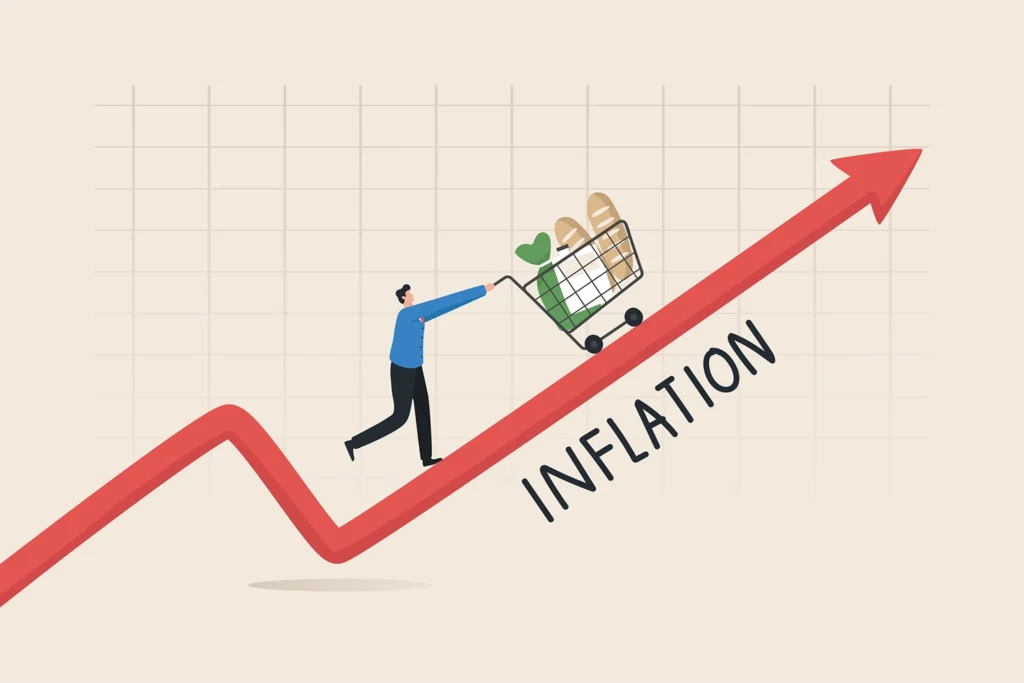
That distinction is important because Ghana’s August inflation increase was driven mainly by domestic costs. The Vaultz’s inflation breakdown showed food inflation easing slightly even as headline inflation rose. If imported food and input prices now strengthen while domestic transport and utility costs remain elevated, the country could lose one of the main offsets that has kept overall inflation contained.
Domestic Supply Counts
The most durable defence is therefore not simply a favourable exchange rate or a temporary fall in world prices. It is a domestic food system that can produce competitively, store efficiently and move output to markets at low cost.
Stronger local supply reduces the share of food demand exposed directly to global commodity and foreign-exchange shocks, but only when storage, processing, transport and distribution do not recreate the same inflation pressure at home.

FAO also expects global cereal production in 2026 to decline 2.1 per cent from last year’s record, while world cereal trade is forecast to fall 3.5 per cent. Those projections do not imply a global shortage, but they reinforce the case for Ghana to treat its current food-inflation relief as a buffer to strengthen rather than a permanent condition to assume.
The next test is whether domestic supply gains can offset a less favourable global cycle. If prices remain elevated, Ghana’s inflation performance will depend more on efficient production, logistics and import substitution than on international price relief.