Aksa Energy has stepped up engagement with Ghana’s revenue authorities as the power producer seeks to reinforce its compliance obligations and strengthen its working relationship with the Ghana Revenue Authority (GRA).
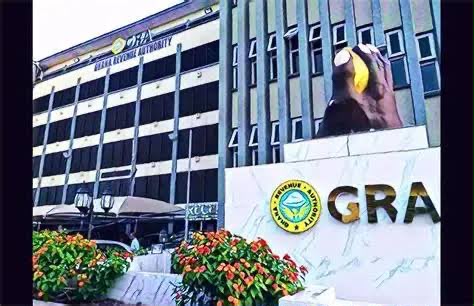
The company’s Chief Finance Officer, Cevdet Yalcin, led a delegation to the GRA’s headquarters in Accra, where the team held discussions with Commissioner-General Anthony Kwasi Sarpong.
The meeting comes as energy companies operating in Ghana navigate a regulatory environment in which tax compliance, investment obligations and government revenue mobilisation remain closely linked.
Strengthening The Taxpayer-Regulator Relationship
The engagement was primarily focused on creating a stronger channel of communication between Aksa Energy and the GRA, with tax compliance forming a central part of the discussions.
Rather than treating compliance solely as an enforcement issue, the meeting highlighted the importance of continued engagement between the revenue authority and companies with significant operations in Ghana.

Mr Sarpong said sustained interaction with taxpayers was necessary to create greater clarity around statutory obligations while allowing the GRA to provide appropriate support to businesses seeking to comply with the law.
“Constructive engagement between the GRA and businesses operating in the country remains important to building a transparent and cooperative tax environment.”
Anthony Kwasi Sarpong, Commissioner-General, Ghana Revenue Authority
The approach is particularly relevant to companies operating in capital-intensive sectors such as electricity generation, where commercial operations can involve significant investments, contractual obligations and interactions with multiple government institutions.
For Aksa Energy, maintaining an effective relationship with the tax authority is therefore part of the broader operating environment within which its Ghanaian investments are managed.
Tax Compliance Meets Energy Investment
The discussions also carry significance beyond the immediate courtesy call because Aksa Energy is an established participant in Ghana’s power-generation industry.
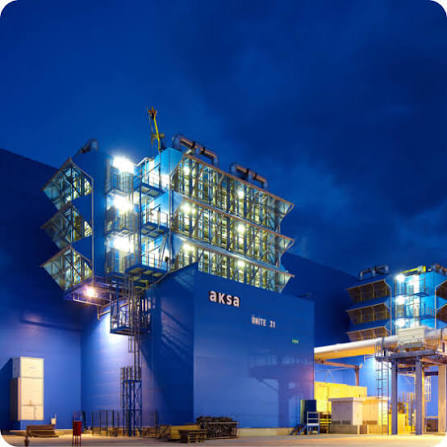
The company operates the Tema HFO and Natural Gas Power Plant and is also associated with the Kumasi Anwomaso power plant project.

Those assets place the company within an energy sector that remains critical to Ghana’s economic activity, particularly as electricity demand grows and the country continues to seek reliable generation to support households, businesses and industrial production.
Tax compliance consequently intersects with the wider economic contribution of energy companies.
A power producer must maintain commercially viable operations while meeting its statutory obligations to the state.
At the same time, government depends on companies across the economy to contribute revenue that can support public expenditure and national development.
The GRA’s emphasis on dialogue therefore reflects an attempt to balance enforcement with a business environment in which companies understand their obligations and can address compliance matters through established channels.
“Sustained dialogue with taxpayers is important to building a transparent and cooperative tax environment.” Anthony Kwasi Sarpong, Commissioner-General, Ghana Revenue Authority
Aksa Energy Reaffirms Corporate Responsibility
For Aksa Energy, the meeting provided an opportunity to introduce its leadership to the GRA while reaffirming its commitment to complying with Ghana’s tax laws.
The delegation included West Africa Director Murat Captug and Finance Manager Oguz Cimen, alongside Mr Yalcin.
Their participation indicates that the engagement was not limited to a formal introduction but involved representatives responsible for the company’s regional and financial operations.
That is significant because tax compliance for an international energy company requires coordination between its operational, financial and corporate structures.
The GRA has increasingly placed stakeholder engagement alongside compliance as part of its broader effort to strengthen domestic revenue mobilisation.
For businesses, the value of such engagement lies in having clearer communication with the authority responsible for administering their tax obligations.
The relationship is therefore mutually important.
For the state, effective taxpayer engagement can support revenue assurance. For companies, regular communication can help reduce uncertainty around compliance requirements and provide an avenue for resolving issues before they become more serious disputes.
Energy Sector Remains Central To Revenue Efforts
The meeting also illustrates the intersection between Ghana’s energy ambitions and its fiscal priorities.
The power sector requires substantial capital to build, operate and maintain generation assets. At the same time, government must ensure that companies benefiting from Ghana’s market and infrastructure meet the tax and regulatory obligations attached to their operations.
This creates a delicate balance.
Excessive uncertainty can discourage investment, while weak compliance can undermine domestic revenue mobilisation.
Effective engagement between regulators and energy companies can therefore contribute to a more predictable operating environment without weakening the state’s authority to enforce its tax laws.
Mr Sarpong reiterated the GRA’s commitment to supporting businesses while ensuring that statutory obligations are met.
“The Authority remains committed to strengthening stakeholder engagement and supporting businesses to operate effectively while meeting their statutory tax obligations.” Anthony Kwasi Sarpong, Commissioner-General, Ghana Revenue Authority
The October engagement consequently represents more than a routine corporate visit. It reinforces the importance of maintaining a working relationship between Ghana’s revenue authority and major energy-sector investors as the country seeks to improve compliance, attract investment and strengthen domestic revenue mobilisation.
Also present was the Technical Advisor to the Commissioner-General, Elsie Appau-Klu Esq.
For Aksa Energy, continued engagement with the GRA will be an important part of maintaining its operations within Ghana’s regulatory and fiscal framework, while for the revenue authority, stronger relationships with major taxpayers can provide another channel through which compliance and revenue collection can be strengthened.
READ ALSO: Ghana’s Food Inflation Buffer Faces Global Price Reversal