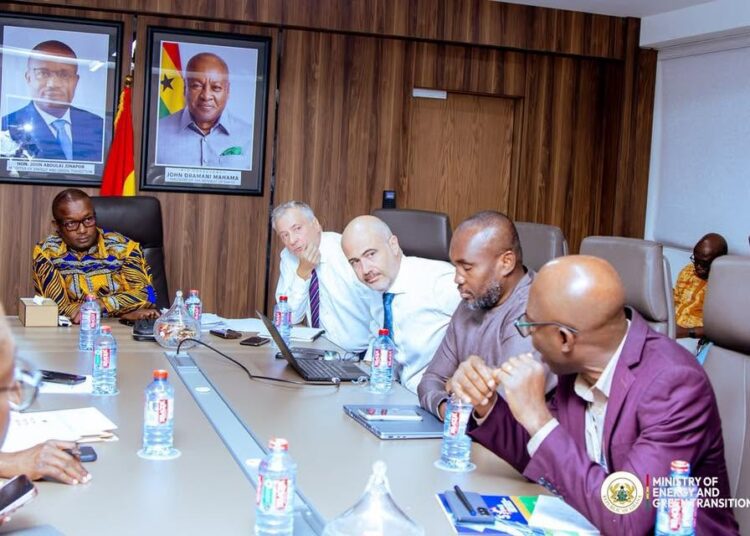
Hon. John Abdulai Jinapor, the Minister for Energy and Green Transition, has disclosed that AKSA Combined Cycle Power Plant project in Takoradi in the Western Region is set to add 900MW of generation capacity to Ghana’s power system.
This large-scale infrastructure asset is structurally designed to inject an extensive 900MW of clean, efficient generation capacity into the national grid, serving as a pillar for long-term power system reliability.
The critical energy infrastructure development, which initially carried a completion date stretching to the end of December 2027, has now become the focal point of state-driven structural urgency to prevent future capacity shortfalls.
“The project, which is expected to add 900MW of generation capacity to Ghana’s power system, is currently scheduled for completion in December 2027. During our discussions, I directed the AKSA team to accelerate implementation efforts and work towards completing the project by September 2027. This strategic investment will play a significant role in strengthening energy security, supporting industrialization, and meeting Ghana’s growing electricity demand.”
Hon. John Abdulai Jinapor, the Minister for Energy and Green Transition
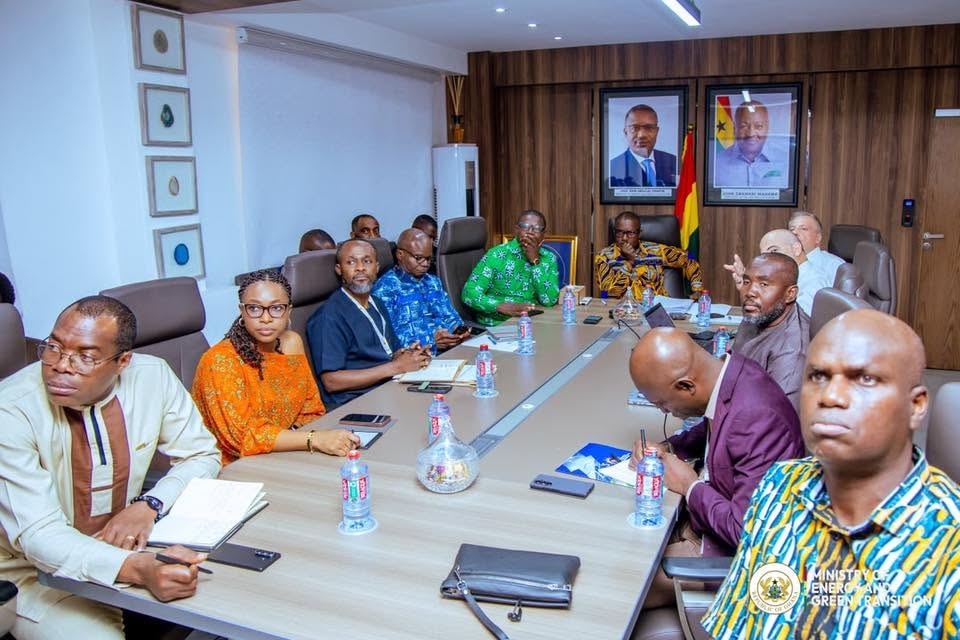
The sector minister leveraged the high-level meeting to review the project’s technical scope and institute structural interventions aimed at fast-tracking the construction timeline.
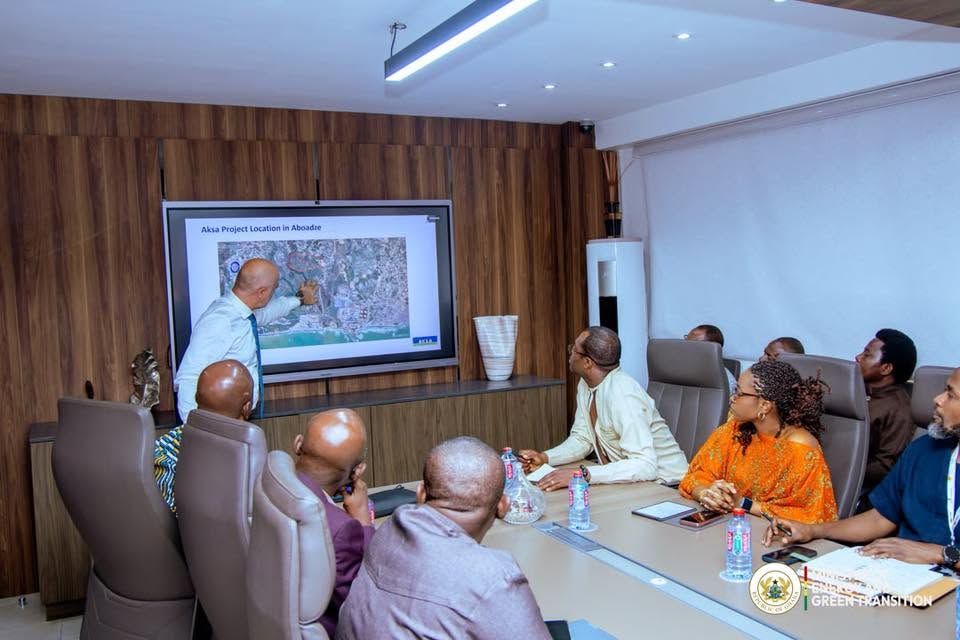
Hon. Jinapor issued an explicit directive to the AKSA engineering and project management teams to expedite their implementation framework, successfully pulling the targeted commissioning date forward from December 2027 to September 2027.
This aggressive adjustment of the construction schedule aims to mitigate mid-term generation deficits, allowing the state to integrate massive base-load volumes into the national electricity supply system a full quarter ahead of the initial projection.
Accelerating National Grid Resilience and Industrialization
The rapid execution of this state-sanctioned utility asset marks a significant milestone in stabilizing the country’s macro-energy environment.

According to energy analysts, the integration of a 900MW combined cycle facility will drastically transform Ghana’s current reserve margin, providing the necessary buffer required to eliminate localized power outages and system instabilities.
Combined cycle technology utilizes both gas and steam turbines simultaneously, maximizing fuel utilization efficiency and delivering lower-cost power per megawatt compared to traditional single-cycle thermal plants.
By prioritizing this project, the government aims to establish a highly sustainable baseline for grid operations, directly offsetting previous vulnerabilities caused by fuel supply disruptions and structural maintenance down-times.
The accelerated timeline ensures that heavy industrial zones across the country can access continuous high-voltage power without fearing sudden voltage drops, a factor that has previously hindered massive private sector manufacturing operations.
Furthermore, the implementation of this power plant aligns directly with the nation’s green transition goals, as modern combined-cycle systems drastically minimize greenhouse gas emissions per megawatt-hour produced.
The Ministry for Energy and Green Transition has emphasized that balancing aggressive generation growth with lower environmental impacts remains essential for economic resilience.
This single facility is projected to fulfill a substantial portion of the nation’s projected annual demand growth, ensuring that industrial hubs remain competitive on a continental scale.
Technical Framework and Localized Socio-Economic Relief for Takoradi
For the residents, businesses, and expanding industrial enclaves of Takoradi and the greater Western Region, the expedited deployment of this thermal plant brings direct and lasting structural relief.
Historically, despite the Western Region serving as a primary hub for oil, gas, and mineral production, localized distribution networks have suffered from severe transmission losses and low voltage profiles due to long-distance power routing from eastern generation sources.
Constructing a heavy-duty 900MW generation asset directly within the Takoradi power enclave completely redefines local energy dynamics by establishing immediate localized generation proximity.

This massive localized injection ensures that residential consumers will experience an immediate end to persistent low-voltage fluctuations that frequently damage household appliances and disrupt daily domestic life.
On a commercial level, the abundance of localized base-load power removes the financial burden of running expensive private diesel generators, a factor that has historically inflated the operating costs of micro, small, and medium enterprises within the twin cities.
The structural location of the plant in Takoradi also guarantees that the Western Region’s vibrant maritime, fishing, and port expansion activities will operate under a framework of total uninterrupted grid reliability.
The localized supply buffer protects cold storage facilities, manufacturing plants, and heavy fabrication yards from the devastating economic shocks associated with sudden power interruptions.

Driving Regional Industrial Hubs and Future Energy Security
Beyond immediate domestic stabilization, the 900MW facility acts as a massive economic catalyst for the Sekondi-Takoradi industrial zone, positioning the enclave to attract extensive foreign direct investment.
Large-scale industrial operations, such as bauxite refining, manganese processing, and petrochemical manufacturing, require absolute certainty in raw power availability before capital deployment can occur.
By anchoring the regional grid with an independent, massive thermal source, the government effectively transforms Takoradi into an incredibly competitive industrial haven.

The downstream impact of this stability will manifest in the generation of thousands of direct and indirect jobs for local youth, ranging from specialized plant engineering positions to secondary service industry opportunities.
The accelerated September 2027 deadline highlights a calculated effort to align power generation growth with the rapid construction timelines of incoming industrial parks.
Ultimately, this multi-million-dollar energy development provides Ghana with a profound strategic asset to anchor its position as a net exporter of electricity within the West African Power Pool (WAPP).
As regional electricity demand continues to soar across neighboring territories, the extra capacity generated within the Takoradi enclave allows the state to secure valuable foreign exchange through cross-border power sales without compromising domestic supply.
Through rigid oversight and compressed timelines, the Ministry for Energy and Green Transition is structurally ensuring that the nation’s economic engine remains fully powered for decades to come.
READ ALSO: AGI Warns of Massive Industrial Disruption Ahead of 2027 Styrofoam Ban