
Charles Obeng Kwarteng, the Finance Manager of the Zijin Golden Ridge Limited, has warned that regional stakeholders will bear the sole responsibility if the West African mining industry collapses over the next decade due to regulatory stagnation and policy inconsistency.
He made these remarks while addressing key business leaders on the critical imperatives of capital mobilization, arguing that the sub-region’s long-term resource sustainability is heavily dependent on a proactive overhaul of its current investment frameworks.
Mr. Kwarteng emphasized that shifting away from protectionist regulatory environments toward open, competitive markets is the only viable pathway to shielding domestic economies from impending resource depletion and structural revenue declines.
“We will have ourselves to blame if the mining industry fails within the next 10 years. Government must be ready to allow for top tier investors to come into this region and be able to invest and open up the economy. Sustained growth requires an environment that welcomes responsible investment, encourages innovation, and unlocks opportunities for economic transformation.”
Charles Obeng Kwarteng

The finance expert noted that the contemporary global extractive landscape has become hyper-competitive, meaning capital will naturally flow to jurisdictions that offer the highest degree of regulatory predictability.
Mr. Kwarteng added that sustained economic growth cannot be achieved through ad-hoc fiscal adjustments that unnerve foreign markets, but rather through a deliberate, institutionalized commitment to welcoming responsible investment and encouraging industrial innovation.
To secure these capital inflows, he urged state actors to aggressively eliminate bureaucratic bottlenecks, guarantee long-term tenure security, and foster an enabling fiscal environment that allows for top-tier global financiers to co-develop the region’s vast mineral wealth.
The Severe Fiscal Peril of a Collapsing Extractive Sector
A systemic failure within Ghana’s mining sector would trigger immediate, catastrophic distortions across the country’s macroeconomic baseline.
The extractive industry serves as the primary pillar of foreign exchange generation and sovereign budgetary support, meaning any severe contraction in output would instantly destabilize the national currency.
Without a steady stream of mineral revenues, the state would face acute balance-of-payment deficits, forcing a heavy reliance on expensive external borrowing to finance basic developmental projects.

Furthermore, the cascading impact of an industrial shutdown would devastate domestic supply chains and crush local commercial banks that heavily bankroll engineering subcontractors.
“The relationship between state liquidity and mining health is entirely inseparable,” Kwarteng noted during his corporate presentation.
If global capital completely exits the market, the direct loss of corporate income taxes, mineral royalties, and employee income levies would paralyze the central government’s capacity to fund critical public infrastructure and social intervention programs.
Reversing Capital Flight Through Policy Consistency
The core of the current structural vulnerability lies in the visible erosion of investor confidence across the West African sub-region.
When regulatory frameworks remain fluid and political risks escalate, multinational mining houses actively redirect their exploration budgets to more stable, predictable foreign jurisdictions.
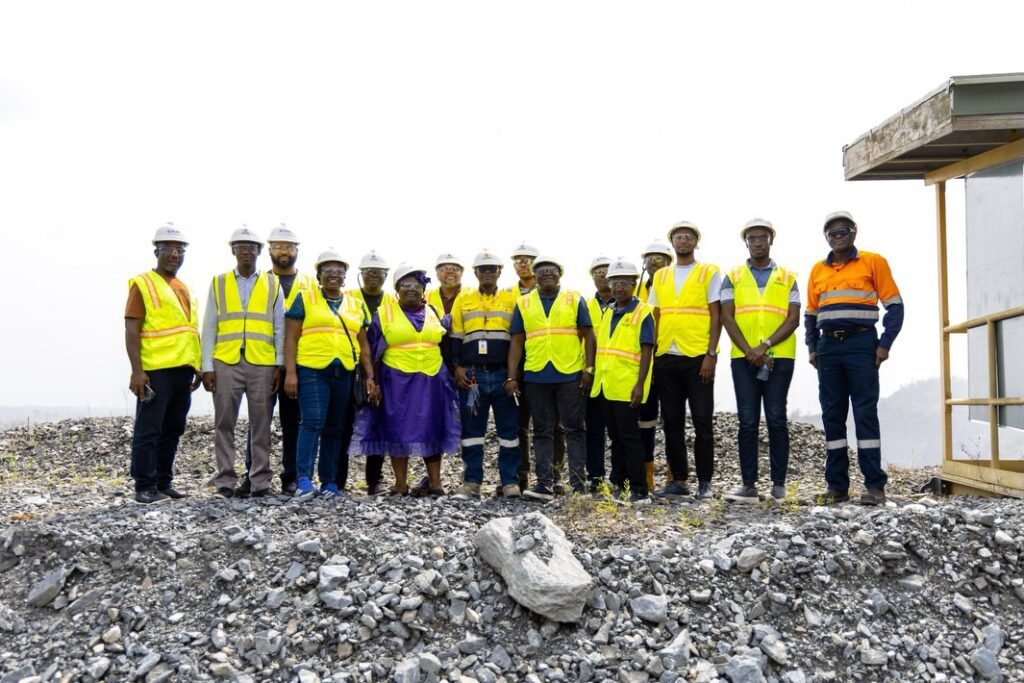
Mr. Kwarteng observed that maintaining policy consistency is not merely a legal preference, but a fundamental economic survival tool to keep high-tier operators anchored to the domestic economy.
To reverse this dangerous trend, the state must transition from a reactive policy posture to an aggressive, investment-friendly strategy.
This requires codifying transparent stabilization arrangements that protect long-term capital investments from sudden, arbitrary legislative shifts.
By providing a clear, legally insulated framework for project developers, Ghana can successfully position itself as a secure haven for global mining conglomerates, ensuring a continuous pipeline of deep-tier exploration projects.
Building a Resilient Industry for Societal Transformation
Ultimately, the long-term viability of the mining sector depends on a shared, collaborative vision between state institutions, local community leaders, and private equity partners.
Political stability must be leveraged as a tangible asset to attract operators who are genuinely committed to high environmental, social, and governance standards.

When these elements align, the extractive sector evolves from a basic outpost of raw material exportation into a dynamic catalyst for widespread industrial growth.
By fostering an ecosystem where innovation flourishes and local content is seamlessly integrated into global supply chains, the country can build a truly resilient mining industry that contributes meaningfully to a better Ghanaian society.
The current inflection point requires immediate action; failing to open up the economy to premium, top-tier global financiers today guarantees economic stagnation tomorrow.
READ ALSO: Local Government Minister Calls For Ban Of Plastic Waste