The Ministry of Health has declared a yellow fever outbreak in affected districts of the Upper West Region after laboratory tests confirmed three cases, all of which ended in death.
The Ministry Stated that it is working through the Ghana Health Service (GHS) and with the World Health Organisation (WHO). It disclosed that emergency operations centres have been activated, rapid response teams deployed, and a targeted emergency vaccination campaign is being prepared for Wa West, Sissala West and Sissala East this month. It urged residents to report symptoms early, avoid self-medication and rely only on official information.
The Ministry mentioned that alert began on September 9, 2026, when health facilities in Sissala West and Wa West started reporting suspected cases. Patients presented with fever, jaundice and bleeding.
Through its surveillance system, the GHS opened a public health investigation. Samples were first tested in Ghana. They were then sent to the WHO-accredited laboratory at the Institut Pasteur in Dakar, Senegal, where further testing confirmed three cases of yellow fever.
“All three cases resulted in deaths despite aggressive management by our health staff in those facilities.”
Ministry of Health
Formal Declaration
The Minister for Health made the declaration in line with two legal frameworks: the International Health Regulations (2005) and the National Public Health Act, 2012 (Act 851).
The announcement follows remarks by Health Minister Kwabena Mintah Akandoh at a sector update in Accra, where he said about 450 suspected yellow fever cases had been recorded nationwide between June and September 2026. He said 74 of them came from the Upper West Region, with three confirmed there.
What Government Has Done So Far
The Ministry said the GHS has activated the National and Regional Public Health Emergency Operations Centres. It has also deployed Rapid Response Teams to affected communities to find cases, carry out surveillance and communicate risks to residents.
On prevention, the Ministry said it is preparing a targeted emergency vaccination campaign in Wa West, Sissala West and Sissala East in October. It is also promoting the use of insecticide repellents and the sleeping under insecticide-treated bed nets, including during the day.
On the health system side, the Ministry said it is strengthening case management at designated health facilities and heightening surveillance across the region. It added that it has intensified risk communication and community engagement in the affected districts and the wider region.

The vaccination campaign is the most significant step ahead. Vaccination is the main protection against yellow fever, and a targeted campaign in the affected and at-risk districts aims to shield communities before further transmission occurs.
Why Daytime Protection Matters
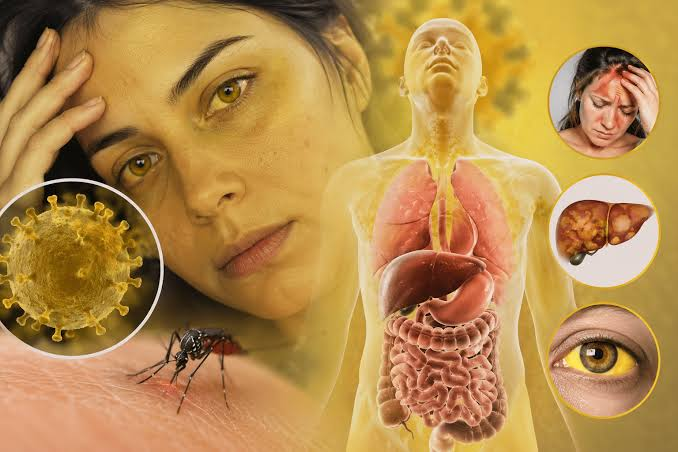
The Ministry explained that yellow fever is a viral disease spread by infected mosquitoes that bite mostly during the day. That is why its guidance stresses protection against daytime bites, including the use of treated nets and repellents.
The public is advised to report immediately to the nearest health facility on experiencing sudden fever, headache, muscle pain, yellowing of the eyes or skin, or unusual bleeding.
Residents should also remove stagnant water around their homes, where mosquitoes breed, and use insecticide-treated nets and mosquito repellents. The Ministry warned against self-medication and asked people to rely only on official communication from the Ministry of Health and the GHS.
“Please do not spread rumours or unverified information.”
Ministry of Health
Call for National Support
The Ministry called on traditional and religious leaders, the media, civil society and all citizens to support the national response. Such leaders and community networks often carry weight in northern communities, where early reporting of illness and acceptance of vaccination can shape how quickly an outbreak is contained.
The Ministry said government remains committed to protecting the health and well-being of every person in Ghana and will provide regular updates.

The declaration moves the matter from surveillance to a formal emergency response. Attention will now turn to when vaccination starts, how many people are reached in the three districts, and whether further cases are confirmed.
The Ministry said it will issue regular updates. Residents in the Upper West Region should watch for official announcements from the GHS, and anyone with the listed symptoms should go to a health facility without delay
READ MORE: Eduwatch Proposes Digital System to Speed Up Teacher Promotions, Payroll Placement