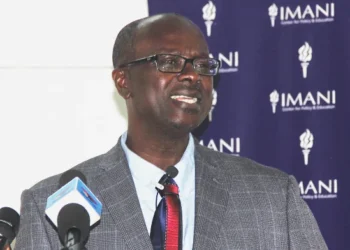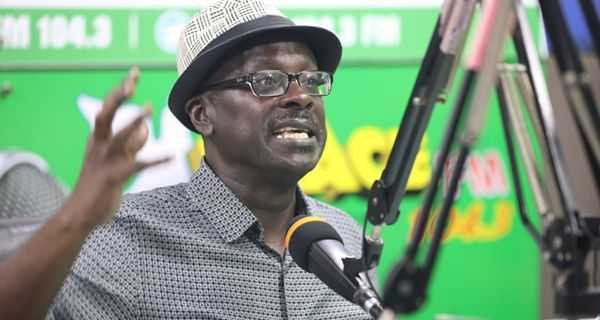
Professor Stephen Kweku Asare, a legal scholar and CDD-Ghana Fellow, has defended the growing number of people entering Ghana’s legal profession and rejected the claim that the country is producing too many lawyers. He made the argument in a commentary written under his GOGO pen name, following the call of new lawyers to the Bar.
Professor Asare argued that wider access to legal education strengthens human capital, encourages expertise across disciplines and removes barriers that long restricted entry to the profession.
He was responding to a social media commentator called Bongo Ideas, who in his view raised legitimate development concerns but wrongly concluded that too many people are becoming lawyers.
“It is therefore a cause for celebration, not lamentation, that more Ghanafuo are finding pathways to realize their professional ambitions.”
Professor Stephen Kweku Asare, Legal Scholar and CDD-Ghana Fellow
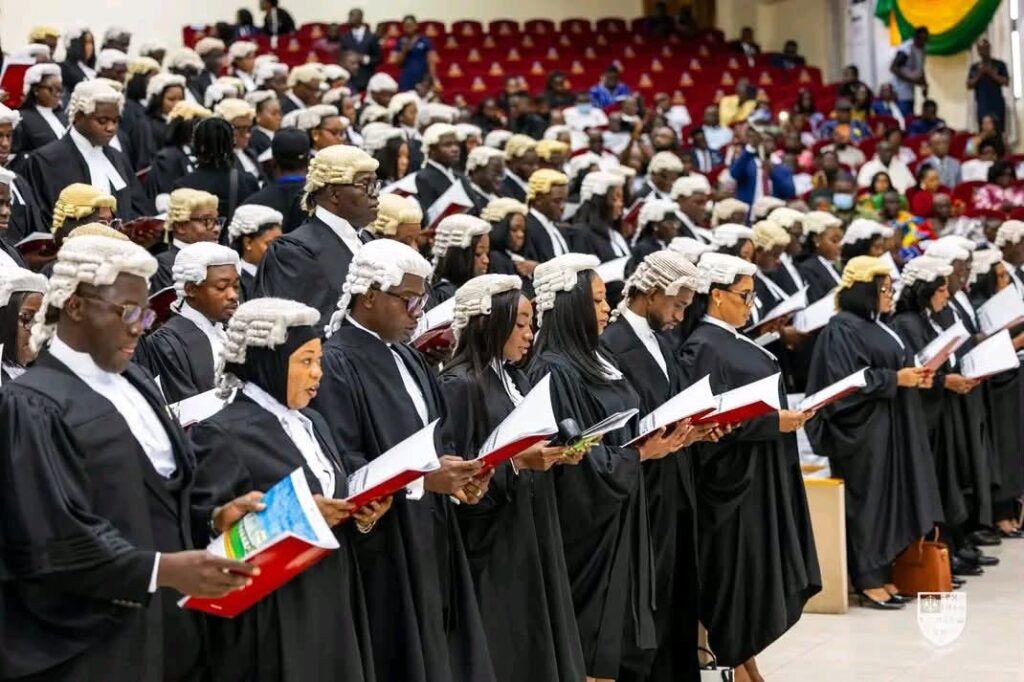
Professor Asare opened by congratulating the newly enrolled lawyers, “from Obomeng to Suame and all the way to Kumbungu.” His congratulations follow the call of a record 1,568 lawyers to the Bar. He stated: “It is heartwarming to see so many young and not-so-young people realizing their dreams of becoming lawyers.”
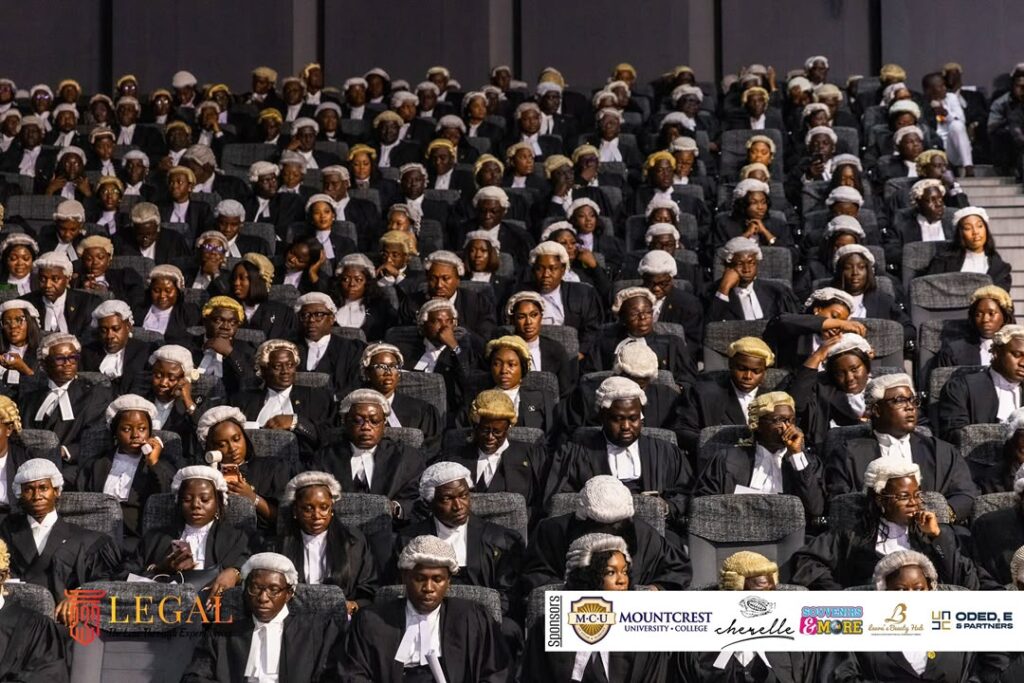
Some of the new lawyers have pursued the dream for years, he noted. Others returned to school after building careers in journalism, engineering, medicine, banking, teaching and public service.
He added that many of them might have been shut out under the old system, where artificial barriers and restrictive admission practices limited access to professional legal education.
Answering the Case Against More Lawyers
Professor Asare treated the opposing argument with respect before rejecting it. He agreed that Ghana needs engineers, scientists, innovators, entrepreneurs and builders, and he accepted that poor roads, inadequate sanitation and unemployment are real concerns.
He parted company with the conclusion that a growing number of lawyers obstructs national development. He went further and argued that the country needs more opportunities for people to acquire professional knowledge, particularly in fields where historical practices have artificially restricted entry.
He set out his disagreement under ten grounds, and the first concerned the value of knowledge itself. Professor Asare questioned why acquiring more knowledge should count as a national problem.
He asked why a journalist should not study law, why an engineer should not understand law, and why a doctor should not acquire legal training. He extended the question to traditional leaders, asking why a chief should not understand the constitutional framework within which traditional authority operates. “Knowledge is not a zero-sum game.”
A journalist who studies law does not stop being a journalist, he explained, and an engineer who becomes a lawyer does not forget engineering. A doctor with legal training can contribute to medical jurisprudence, patient rights and healthcare regulation.

He insisted that “combining disciplines can produce professionals who are more valuable to society.” In his view, the country should be “encouraging interdisciplinary competence, not erecting artificial walls between professions.”
Dismantling Historical Barriers
Professor Asare placed the current surge in context. For decades, he explained, access to professional legal education in Ghana was constrained by limited institutional capacity and restrictive admission practices.
Qualified people could pursue legal education only to meet another bottleneck when they sought professional training. Those restrictions, he argued, helped to hold down the supply of lawyers.
He declined to rehash the back-and-forth that ended the restrictions, but he drew a clear line on standards. “We have no quarrels with protecting professional standards but will never support protecting scarcity,” he declared.
He described the right response to a historically restricted profession in plain terms. “The appropriate response to a historically restricted profession is not to complain when more people gain entry,” he wrote. In his view, the answer is to expand access while keeping professional standards rigorous.
Professor Asare also answered the point that the country would lose a vital questioner if journalist Bernard Avle became a lawyer. He asked why anyone should assume that studying law would silence him.
Legal training, he suggested, could leave a journalist better equipped to interrogate government contracts, constitutional violations, public expenditure and abuses of power.
He asked why the country’s capacity to ask hard questions should depend on one journalist staying in one profession. A journalist can be a lawyer and a lawyer can be a journalist, he concluded, because the two professions are not mutually exclusive.
A Call for More Knowledge
Professor Asare closed with a vision of how professions might work together. He wants “lawyers who understand engineering, engineers who understand law, journalists who understand both, and leaders who understand that development is a collective enterprise.”

He called for more knowledge, more interdisciplinary competence and more opportunities for productive work, and he rejected resentment toward those who pursue additional qualifications.
He ended on a note of goodwill for the new lawyers, wishing them well as they begin their careers. He asked that they serve their clients faithfully, uphold the rule of law, defend the Constitution, and use their knowledge to advance justice and national development.
READ ALSO: Ato Forson Vows New Economy Will End Ghana’s Unemployment Struggles