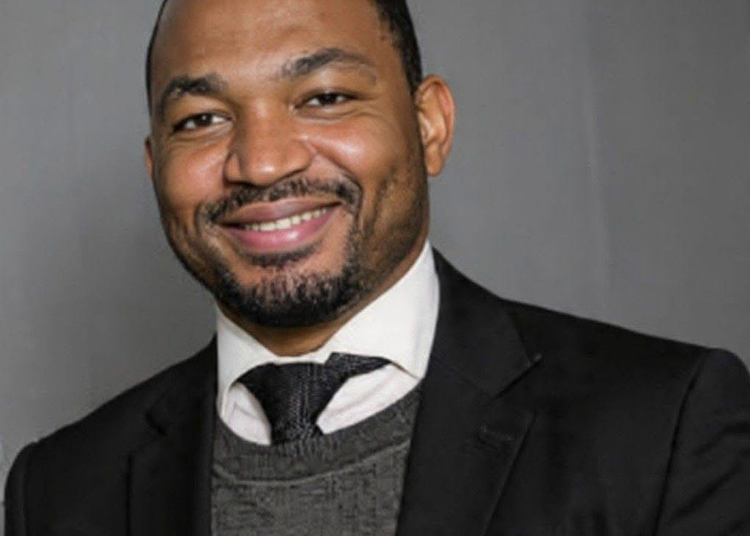
Labour Consultant and Dispute Resolution Practitioner Saed Musah-Khaleepha says the teacher unions’ strike cannot properly be described as illegal, because the unions gave the required notice and had at least engaged the employer directly before withdrawing their services.
He said strike is only the fourth of five stages of dispute resolution under Ghana’s labour laws, and that stalled negotiations in the public sector often push unions to use industrial action to bring duty bearers to the table. He urged government to engage every union whose agreement is due now, warning of strikes in 2027.
Mr. Musah-Khaleepha explained that Ghana’s labour laws set out five stages of dispute resolution. The first is negotiation, If it fails, the parties move to mediation, a voluntary process in which they may decide at the end not to agree. If mediation fails, they proceed to voluntary arbitration. Strike action comes only after these, as the fourth stage.
He said the unions had at least completed the first stage. Negotiation, he noted, is simply direct engagement across the table, whatever name the meetings are given.
Strike as Public Negotiation
He said the unions turned to industrial action because duty bearers in the public sector sometimes stonewall, and that this frustrates union leaders.
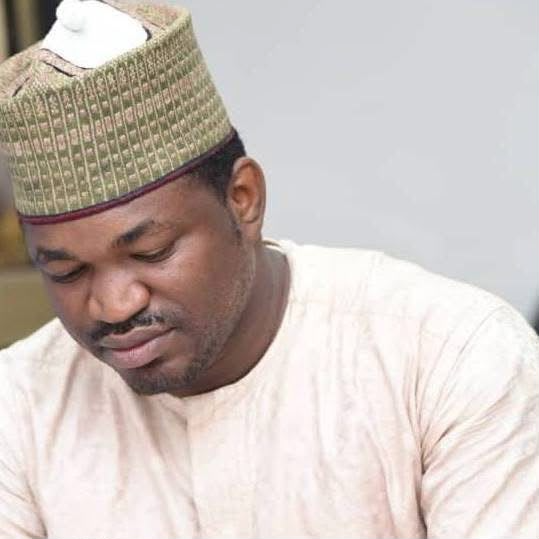
“Strike as an industrial reaction is also a form of negotiation. We are using the public domain to negotiate what could not be settled at the table.”
Labour Consultant and Dispute Resolution Practitioner Saed Musah-Khaleepha
The strike achieved its immediate purpose, because it brought the duty bearers to open their doors to the unions.
Notice Was Given
An illegal strike, Mr. Musah-Khaleepha stressed, has a specific and narrow meaning in law, and he would not apply it to this action. He said the unions gave the relevant institutions the necessary notice, and that he had seen their letter. The law requires one week’s notice, after which some intervention is expected.
He acknowledged a pattern across the unions that sits uneasily with the law. The law requires a strike to be called off once negotiations begin, yet unions often remain on strike while talks are under way.
He attributed this to institutional experience. Unions have observed that once they call off a strike, duty bearers lose urgency, so they hold on until an agreement is reached. He described this as a departure from the law, driven by the realities of labour politics.
A Commission Without a Board
Mr. Musah-Khaleepha said the National Labour Commission would normally have intervened at the start of the action. It could not do so, he explained, because it is not properly constituted. The previous board’s tenure expired a couple of months ago, and the commission’s functions are currently being handled by administrators, led by the executive secretary.

The commission is a seven-member body drawing from labour, employers and government. He described the dispute as avoidable, warning that a quiet settlement with some unions would not end the problem.
“You enter 2027 and you see a barrage of strikes. There will be chaos in the labour sector, because the unions will come back and talk about cost-of-living increments. It is better to engage them now.”
Labour Consultant and Dispute Resolution Practitioner Saed Musah-Khaleepha
He advised government to open talks with every union whose agreement is due and to show them the books, saying reasonable unions will understand the fiscal position.
Labour Liaisons Across Ministries
Mr. Musah-Khaleepha proposed the creation of labour liaisons between key sector ministries and the Ministry of Finance. The Ministry of Employment and Labour Relations, he said, has a coordinating role in the labour sector but acts more as an adviser to government and does not control funds.
He suggested that each ministry have a director or manager in charge of labour relations, to prompt the Ministry of Finance to resolve issues before they escalate.
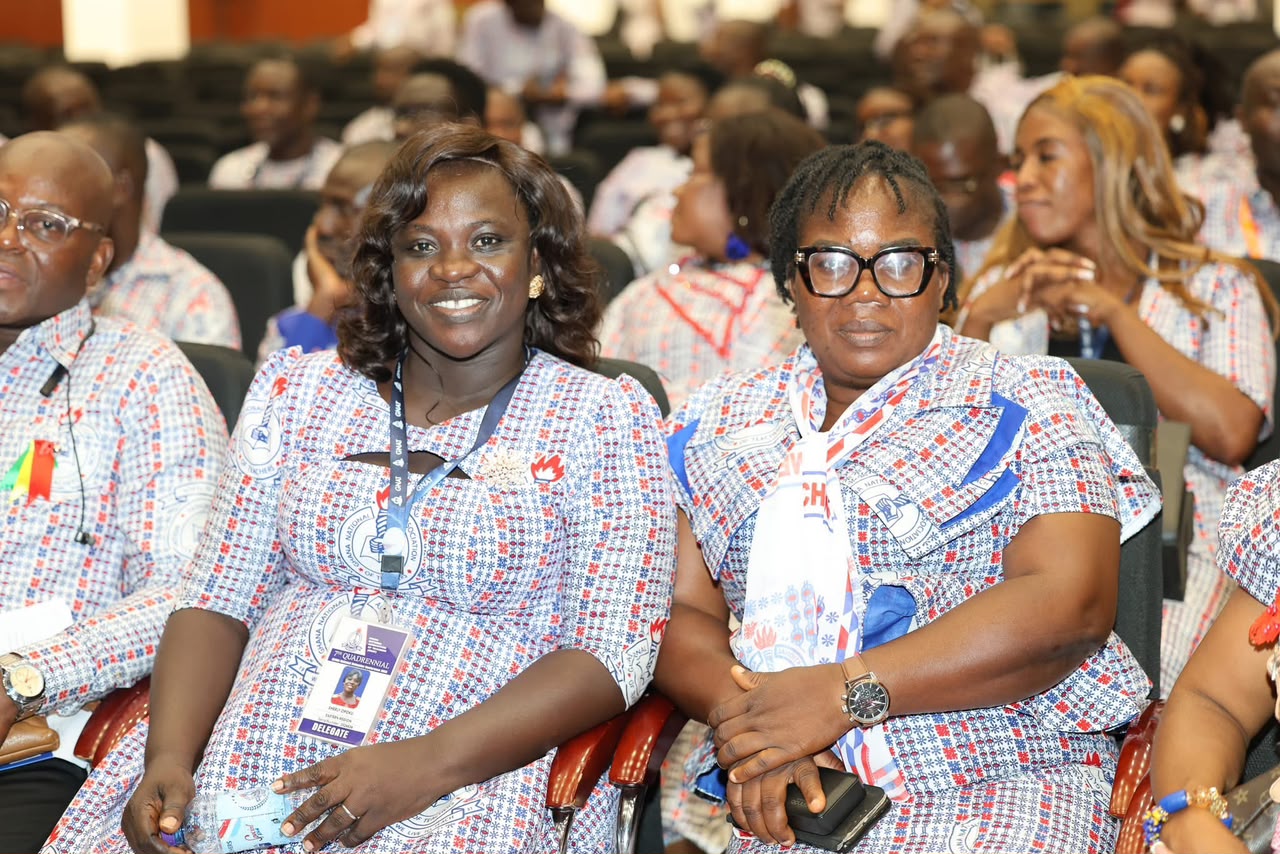
He commended the engagement between the unions and the Fair Wages and Salaries Commission (FWSC). Its Chief Executive, Dr George Smith-Graham, he noted, is the longest-serving chief executive the Commission has had, with close to ten years in total. Mr. Musah-Khaleepha described him as well grounded and experienced, from his own negotiations.
READ MORE: Cabinet Approves Ghana-Holy See Host Country Agreement