The Driver and Vehicle Licensing Authority (DVLA) has introduced six Ghanaian languages into its computer-based driving tests to improve access for applicants who face difficulties with English.
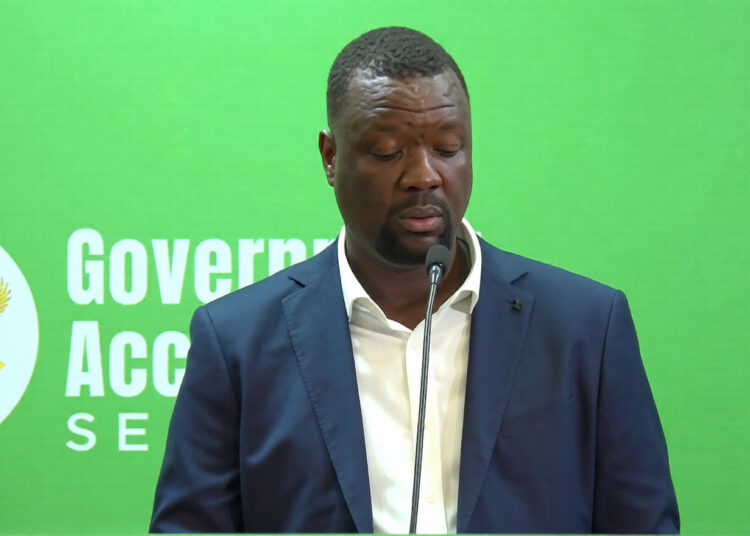
Speaking at the Government Accountability Series, the DVLA Chief Executive Officer, Julius Neequaye Kotey, explained that the initiative is to make “driver licensing more accessible while maintaining the standards required for road safety.”
Mr Neequaye disclosed that applicants can take the computer-based theory test in Twi, Ga, Ewe, Dagbani, Nzema and Hausa. The reform is intended to reduce language barriers that could prevent otherwise qualified applicants from demonstrating their understanding of road signs, traffic regulations and safe driving practices.
According to the DVLA CEO, the use of local languages will help applicants who cannot read or write in English navigate the mandatory testing process more effectively. He noted that making the test accessible does not remove the requirement for applicants to demonstrate the knowledge needed to operate vehicles responsibly.
The Authority’s language initiative builds on its computer-based testing system, which is designed to assess applicants’ understanding of road rules before they proceed through the licensing process. The DVLA’s published requirements also recognise the six languages as options for applicants who cannot read English, alongside the ability to use a computer mouse or touchscreen to select answers.
Beyond language accessibility, Mr Neequaye disclosed that the Authority is far advanced in plans to introduce simulator-based testing for prospective drivers. The technology is expected to place applicants in virtual driving situations, allowing their responses to different road conditions and traffic scenarios to be assessed in a controlled environment.
“We believe this system will serve a bigger purpose in today’s driving ecosystem where vehicles are being modernised and road activities keep increasing.”
Julius Neequaye Kotey
The proposed simulator system is intended to complement existing assessments as the country’s transport environment changes. It would give examiners another means of evaluating applicants’ reactions to road-related situations before they receive the required authorisation to drive.
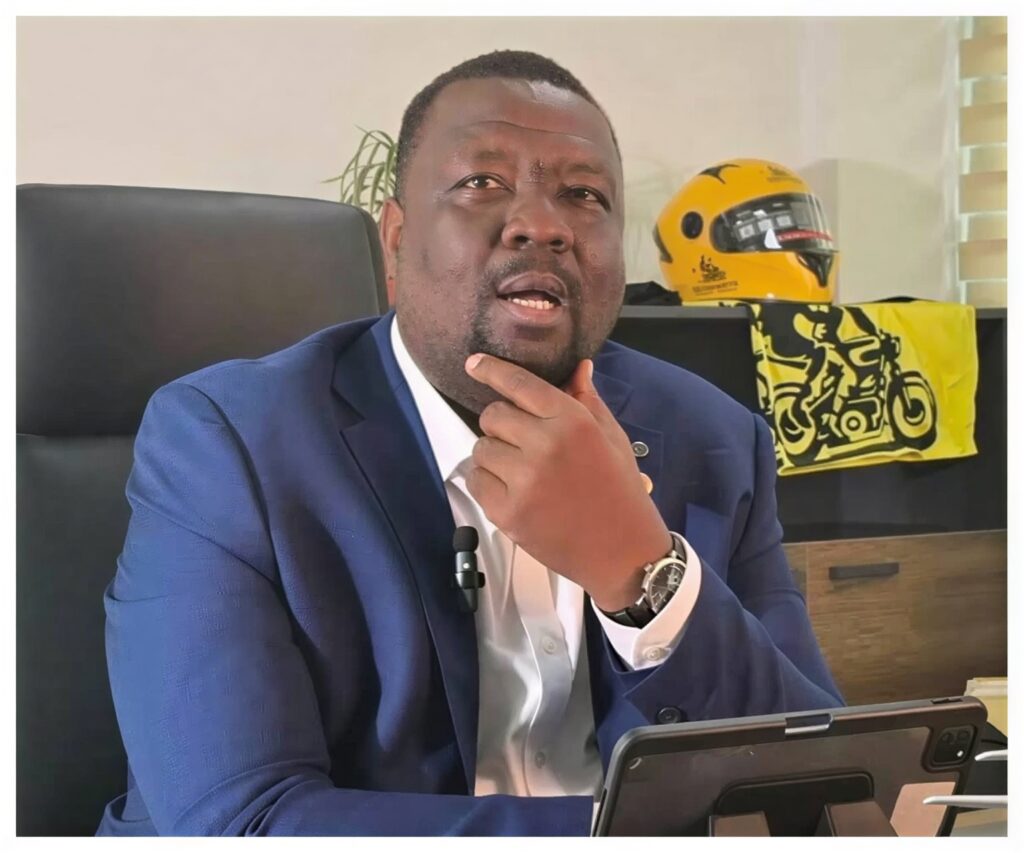
The DVLA CEO indicated that the reform is to improve the quality of driver testing and ensure that licensing decisions are based on applicants’ knowledge and ability. By combining language options with technology-assisted assessment, the Authority aims to make its procedures more accessible without compromising the responsibility of preparing competent drivers for Ghana’s roads.
DVLA Expands Services as Licence Backlog Clearance Continues
The Driver and Vehicle Licensing Authority (DVLA) is expanding its nationwide presence and extending operating hours as part of efforts to improve access to driver licensing and vehicle registration services.
Chief Executive Officer Julius Neequaye Kotey outlined measures to clear outstanding licence applications, reduce congestion and bring services closer to motorists.
The DVLA CEO disclosed that the Authority has opened new service centres while continuing construction on additional offices across the country. Several facilities are ready for commissioning, while projects in locations including Bawku, Bechem, Dormaa, Jumoro and Tema remain under development.
Mr Neequaye explained that the expansion is to “reduce the distance customers travel to access services and ease pressure on existing branches.” The Authority reported that its network has grown to 62 offices nationwide, including facilities established through public-private partnerships.
On operating hours, the DVLA CEO highlighted the success of the Adenta office, which provides round-the-clock services, alongside extended hours at regional offices. These selected offices operate from 6:00 am to 10:00 pm, giving motorists additional opportunities to complete transactions outside conventional working hours.
Mr Neequaye also outlined measures to address delays in licence production, explaining that the Authority introduced a 24-hour printing arrangement to clear applications that had accumulated, including some dating back to 2023. The DVLA reported that more than 444,000 licences have been printed in 2025 as part of the backlog clearance exercise.

Additionally, the Authority has secured instant-printing machines intended to facilitate replacement licences for eligible applicants whose records have been held for several years. The CEO clarified that the reform would not bypass licensing requirements for new applicants, who must still complete the prescribed procedures before their licences are issued.
The Authority is also developing digital services to improve communication with customers. An SMS notification system reminds eligible licence holders of approaching renewal or replacement dates, while a similar notification service is being prepared for vehicle roadworthiness renewals.
Furthermore, the DVLA is working towards introducing an electronic library where customers can access refresher and road safety videos. A queue management system is also nearing completion, with the aim of reducing congestion at offices and improving the handling of service requests.
READ ALSO: MzVee Set To Drop ‘Enjoyment’ Featuring Sista Afia Friday