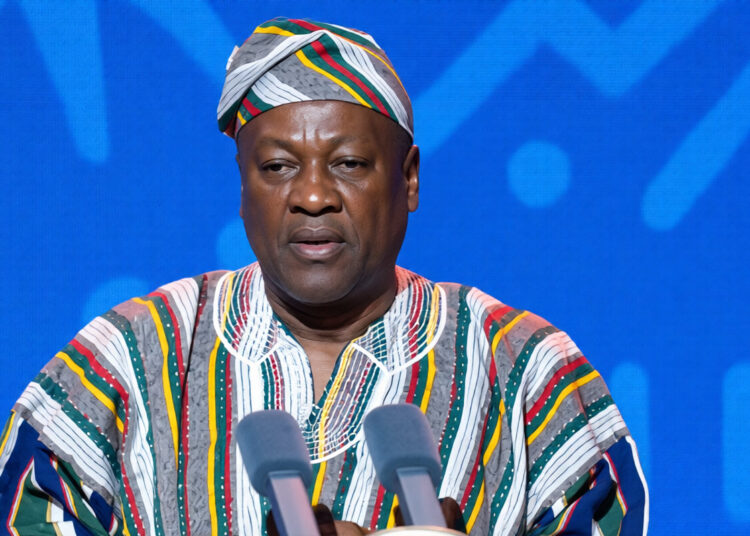
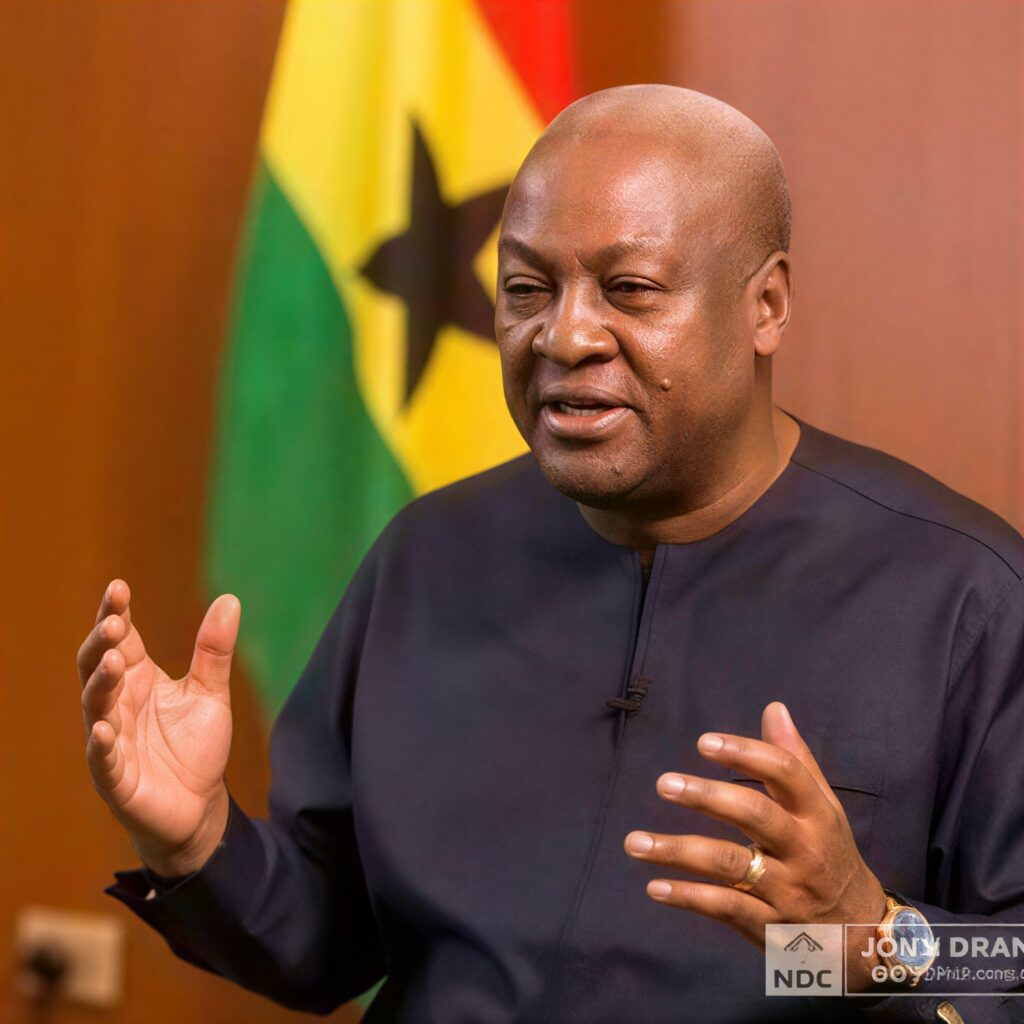
The President of Ghana, His Excellency John Dramani Mahama, has called on public officeholders to translate their religious convictions into ethical leadership, integrity and compassionate public service.
Addressing the World Assemblies of God Congress 2026, President Mahama emphasised that faith must inspire leaders to serve conscientiously.

“Our faith should deepen our humility. It must strengthen our respect for our citizens. It must imbue us with honesty and integrity, and it must sharpen our attention for those whose voices are least likely to reach the center of power.”
His Excellency John Dramani Mahama
The President underscored the responsibility that accompanies public authority, stressing that religious devotion should manifest itself through practical actions in workplaces and communities. He urged leaders to allow their spiritual convictions to cultivate humility and honesty, insisting that “the true measure of leadership lies in its impact on people’s lives.”
His Excellency highlighted the importance of religious tolerance in Ghana’s multicultural society, explaining that his presidential responsibilities encompass citizens acroserve every Ghanaian.
He acknowledged that his commitment to fairness has occasionally attracted questions about his Christian faith from some religious leaders, particularly when his decisions accommodate people whose beliefs differed from his own.
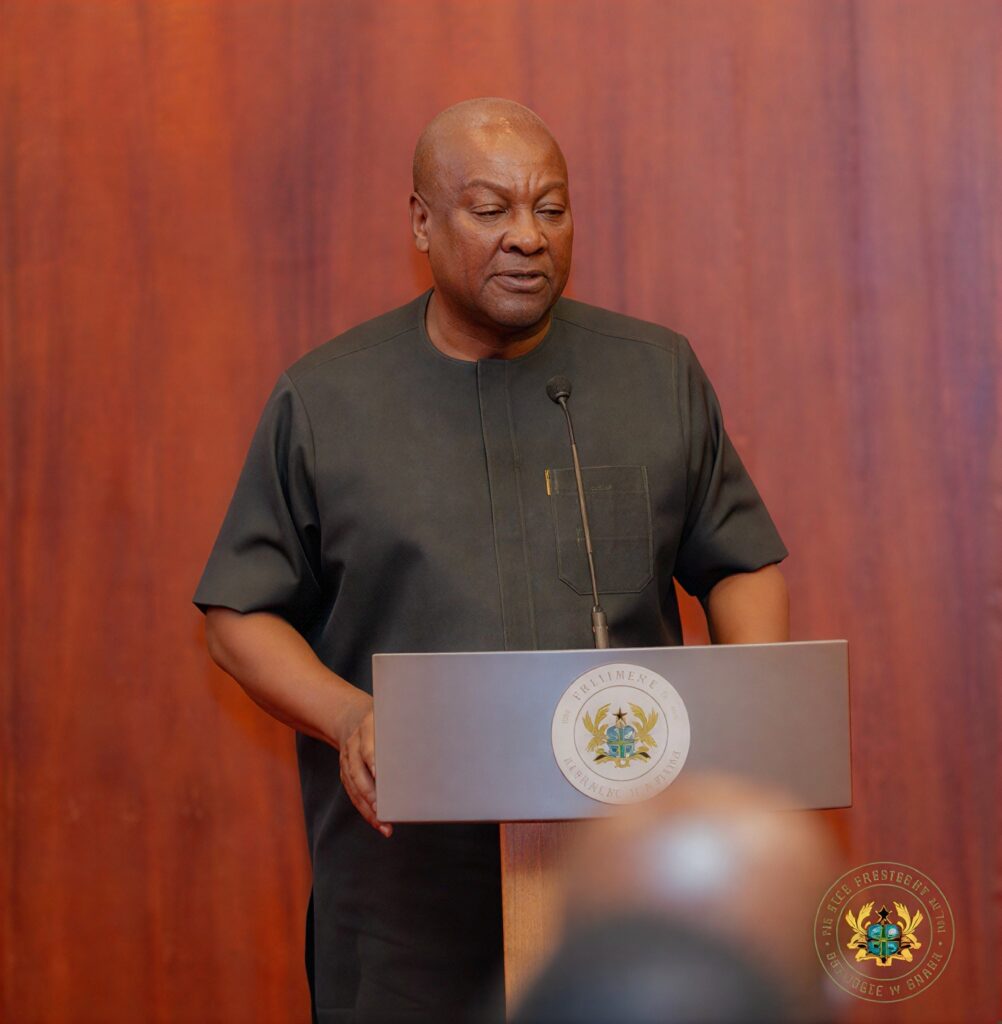
Furthermore, President Mahama drew on his family background to illustrate the possibility of peaceful coexistence among people of different faiths. He explained that having Muslim siblings have reinforced his appreciation of the affection and kinship that unite people despite their religious differences.
The President also challenged churches to contribute actively to national development by nurturing honesty, compassion, responsible citizenship and peace. He urged religious leaders to preserve their moral independence so they could speak candidly against injustice and advocate for people experiencing hardship.
In this regard, His Excellency linked religious responsibility to the need for meaningful civic engagement, emphasising that prayers for justice should inspire greater sensitivity towards those facing unfair treatment. He further encouraged citizens to demonstrate their commitment to national progress through their daily work and service to others.
President Mahama Calls For Youth Empowerment
President John Dramani Mahama has urged churches and families to strengthen mentorship for young people, creating environments where they can develop their abilities, seek guidance and assume meaningful responsibilities.
His Excellency also called for stronger protection of children and vulnerable people, greater recognition of women’s contributions and partnerships that translate the congress into practical community support.
The President observed that young people are navigating a world shaped by rapid technological change, constant social comparisons and competing information. He noted that these pressures can complicate their search for identity and purpose, leaving some struggling with anxieties they may find difficult to articulate.
“The future of this fellowship will be shaped in part by how it receives the young people today. Let us mentor and offer opportunities for service. ”
His Excellency John Dramani Mahama
Drawing on his experience as a father, President Mahama encouraged congregations and households to become supportive spaces where young people can ask difficult questions without fear and receive thoughtful guidance. He called on adults to guide the next generation through attentive listening and personal examples of integrity.
Beyond mentorship, the President stressed that religious institutions have a duty to protect children and vulnerable members of their communities. He underscored the importance of responsible conduct, clear safeguarding measures and accountability, highlighting the obligation that accompanies spiritual authority.
President Mahama also called for women of faith to receive greater recognition for their contributions to congregational life. He urged church leaders to ensure that women’s knowledge, abilities and leadership are heard and valued, arguing that institutions preparing for the future must create opportunities for everyone equipped to serve.
Meanwhile, the President highlighted the significance of the congress, which brought together more than 10,000 participants, and encouraged delegates to convert their experience into practical initiatives after returning home. He proposed that the gathering should strengthen relationships among churches, support communities facing hardship and expand opportunities for young people.
President Mahama outlined possible outcomes, including partnerships to support schools, strengthen health ministries and assist congregations serving under difficult conditions. He also encouraged delegates to consider how their renewed commitments could contribute to peace within their communities and across national boundaries.
The President’s appeal placed lasting impact above the immediate significance of an international religious gathering. He urged participants to carry the congress’ lessons into their communities through sustained service, mentorship and cooperation, ensuring that the relationships established in the conference generate tangible benefits long after the event concludes.