A documentary recovering long-hidden footage of Africa’s independence era is heading to theaters for a one-night event, with streaming star IShowSpeed joining former U.S. President Barack Obama and Michelle Obama as a key producer.
The Eyes of Ghana, directed by two-time Academy Award winner Ben Proudfoot, will screen in cinemas across the United States and Canada on October 28. Participating chains include Regal, AMC, Cinemark and independent theaters.
Dates for additional screenings in Ghana, the United Kingdom and elsewhere are expected to be announced soon.
About the Film
The film follows Chris Hesse, the 93-year-old Ghanaian cinematographer who served as personal cameraman to Kwame Nkrumah, Ghana’s first president and a leading voice for continental liberation. Hesse documented the birth of Ghanaian independence in 1957 and the broader African freedom movements of the 1950s and 1960s.
When a coup removed Nkrumah from power in 1966, authorities ordered the destruction of the films that recorded his rule and the era’s transformative events. Many prints were burned. Hesse, however, had already safeguarded more than 1,000 reels-some accounts place the total above 1,300 by sending the negatives to a vault in London. The collection represents one of the largest surviving visual archives of the period, containing roughly 200 hours of material.
Now facing progressive vision loss from glaucoma, Hesse is racing to digitize and repatriate the footage. He has partnered with younger Ghanaian filmmaker Anita Afonu, entrusting her and a new generation with the archive and a simple charge: keep filming.
The documentary captures their efforts to restore select reels and stage public screenings, including at historic sites such as Accra’s Rex outdoor cinema. Only about 15 minutes of the restored archival material appears in the finished 90-minute film, which premiered at the Toronto International Film Festival in September 2025 and later screened in Ghana.
Proudfoot, whose previous short documentaries The Queen of Basketball and The Last Repair Shop each won Oscars, first encountered Hesse while on a UNICEF assignment in Ghana in 2021. What began as a short project expanded into a feature after collaboration with Ugandan director Moses Bwayo and local producers including Nana Adwoa Frimpong and Afonu. Breakwater Studios and Higher Ground Productions, the company founded by the Obamas, produced the film. Barack and Michelle Obama serve as executive producers alongside figures such as Sir John Akomfrah.
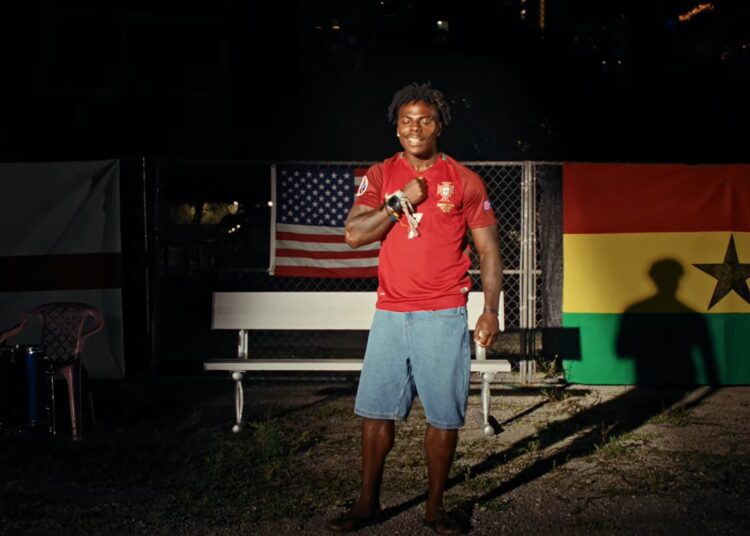
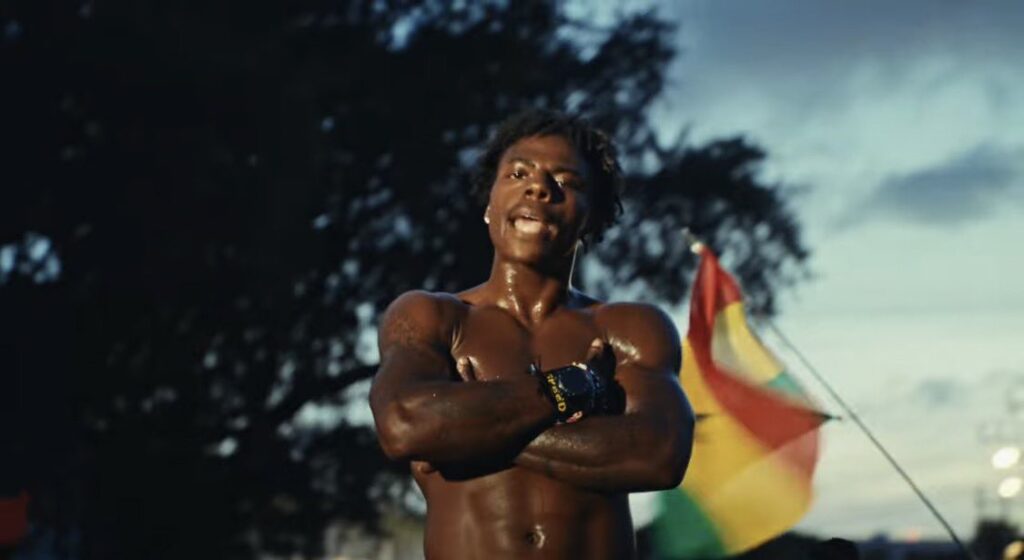
On October 15, organizers announced that Darren Watkins Jr., known online as IShowSpeed, had joined as a producer under his legal name. The popular streamer, who has Ghanaian heritage and visited the country earlier this year, said the project deepened his connection to Ghana’s history. “His camera captured the birth of African independence, and his determination to preserve those images has ensured that future generations can witness it for themselves,” Watkins stated. “I’m humbled by his legacy and proud to help bring his story to my community.”
Nkrumah, often called Osagyefo, led the Gold Coast to independence from Britain and became a central advocate for a united Africa. He established the Ghana Film Industry Corporation and viewed cinema as a tool for shaping national and continental identity, much as Hollywood projected American influence.
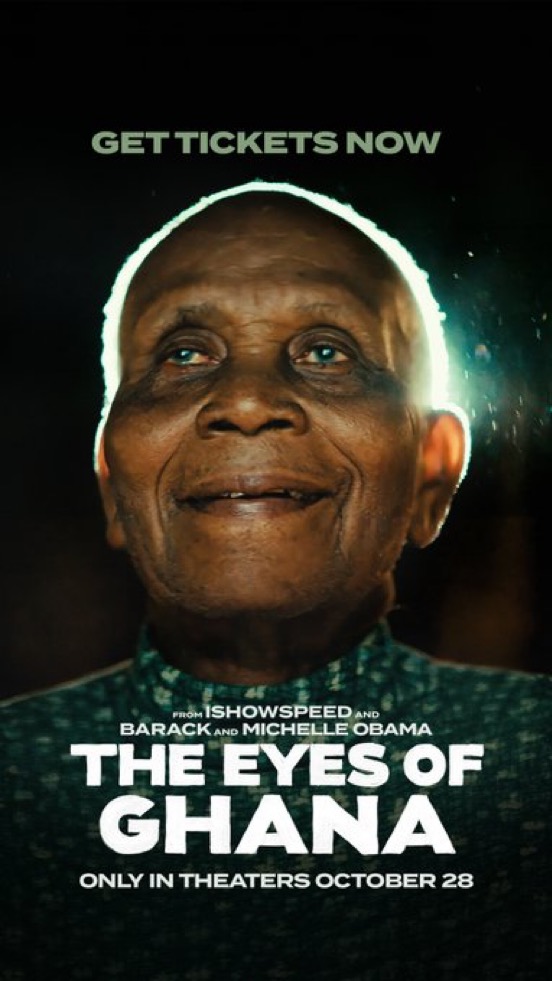
Hesse accompanied him on travels, rallies and meetings with world leaders, including U.S. President John F. Kennedy. After the coup, Hesse continued working under subsequent governments, but the early archive remained largely unseen for decades.
The theatrical release aims to introduce this history to wider audiences, particularly younger viewers reached through Watkins’ platform. Higher Ground described the film as speaking “to the power of film to preserve our collective memory, and to the responsibility we share in making sure these stories reach the next generation.” Proceeds are intended to support further digitization of the remaining reels, most of which are still in London.
Public Reaction
Some online commentary has noted the involvement of the Obamas in a story centered on a leader whose overthrow involved external interests, including reported U.S. support for the 1966 coup. Others have focused on the cultural crossover of a major streamer elevating a serious historical documentary.
The film itself emphasizes preservation over politics, framing Hesse’s lifelong work as an act of quiet resistance against historical erasure.
Tickets for the October 28 screenings are available through the official site and participating theater chains. Organizers have encouraged viewers to treat the one-night event as a shared cultural moment, inviting friends and applying to serve as local “city captains” to promote attendance.
Screenings in Ghana and London will follow in the coming months, according to promotional materials shared by the production team.
For Hesse, the project represents a full-circle effort to return images of Ghana’s founding moments to the public that lived them and the generations that followed. The footage shows independence celebrations, political gatherings, international diplomacy and everyday scenes from a continent asserting its place on the world stage.
By placing those images on large screens for one night, the filmmakers and their high-profile backers hope to ensure the record is no longer confined to a vault.
The Eyes of Ghana arrives at a moment when debates over historical memory, archival access and the role of popular culture in education remain active. What is already clear is that one cameraman’s decision to protect a fragile film archive six decades ago has made the conversation possible.
READ ALSO:GAMLS Welcomes De-Bundling of Medical Laboratory Fees Under MahamaCares