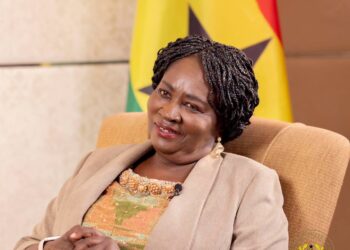
Referencing the Obuasi Senior High Technical School sexual misconduct case, Legal Practitioner and Executive Secretary of the African Women Lawyers Association, Marian Darlington, has criticised adults who fail to act on complaints involving students.
She argues that “those who knowingly ignore reports or discourage victims from speaking out may have helped sustain the alleged abuse.”
Ms Darlington expressed dismay at reports that students repeatedly complained about the alleged conduct, while school authorities and other adults were unable to secure an effective response. She questioned how such allegations could persist in an environment where teachers and administrators are entrusted with protecting children.

“When a student comes to you and says, ‘This is what he is doing to me,’ and you respond with, ‘Oh, don’t talk about it,’ you are enabling him. That means you are actively aiding in his continuous abuse.”
Marian Darlington
Ms Darlington cautioned that repeatedly counselling an alleged offender without taking protective action could amount to more misconduct. She likened the situation to offering someone a private space to confess wrongdoing while allowing the alleged behaviour to persist without meaningful consequences.
Furthermore, the Executive Secretary challenged adults who might excuse their inaction on the grounds that they advised the person concerned to change. She questioned what justification remains when allegations continue after repeated warnings, particularly where students are the people exposed to potential harm.
Turning to reports that children had been asked to wash, cook and perform other domestic chores for the Headmaster in Obuasi Senior High Techiical School, Ms Darlington insisted that such practices are unacceptable even without allegations of sexual misconduct. Citing the Ghana Education Service’s Code of Conduct, she stressed that parents send their children to school for education, not to serve as domestic workers for adults in positions of authority.
The legal practitioner also criticised suggestions that boys could be assigned such chores instead of girls, arguing that this would leave the underlying misconduct unaddressed. In her assessment, students should not be recruited for personal domestic tasks, regardless of their gender.

Meanwhile, Ms Darlington pointed to reports of complaints from other schools, including claims that some students had been warned against discussing alleged incidents perpetrated by the said Headmaster. She called for accountability to extend to anyone found to have suppressed complaints or obstructed efforts to protect students.
Legal Practitioner Outlines Civil and Criminal Actions in Obuasi Case
Moving to the legal options available to victims in the alleged Obuasi Senior High Technical School sexual misconduct case, Private Legal Practitioner Marian Darlington outlined possible civil and criminal proceedings against individuals and institutions found culpable.
The Executive Secretary and Head of Public Relations of the African Women Lawyers Association believes that those involved could face civil action over failures to protect affected students.
Ms Darlington explained that civil proceedings could provide a means of seeking accountability for alleged institutional and individual failures. She emphasised that the circumstances surrounding the complaints could warrant legal scrutiny beyond the alleged perpetrator.
“As a nation, we failed these children. We can bring actions against the state, we can bring actions against the school, we can bring actions against the specific individuals in civil action.”
Marian Darlington
On criminal liability, the Legal Practitioner identified several offences that could arise, depending on the evidence gathered and the circumstances of each alleged incident. These include rape, defilement and indecent sexual assault, with the applicable charge determined by the nature of the alleged conduct and the age of the complainant.
Ms Darlington explained that allegations of sexual touching without penetration could still constitute an offence under the law. She also pointed to possible abetment where individuals allegedly knew about the abuse and assisted in concealing it or enabled the conduct to continue.

Furthermore, the lawyer identified “potential liability” arising from other consequences of the alleged sexual acts, depending on the evidence established during investigations. These could include causing harm to a child or the child’s mother, unlawful abortion where applicable and exposing a child to danger.
The Executive Secretary also highlighted the possible responsibility of adults expected to protect children, particularly where complaints were allegedly ignored or victims were pressured to withdraw their petitions. Such conduct, if established, could attract legal consequences depending on the individual’s role and the facts of the case.
However, Ms Darlington’s observations do not establish that any particular offence has been committed in the Obuasi case. Investigators would need to establish the facts, assess the available evidence and determine the appropriate charges under Ghanaian law.
She urged a comprehensive approach to accountability, encompassing the alleged perpetrator and anyone whose actions or omissions may have contributed to the reported harm. Civil and criminal proceedings, where legally justified, could help secure justice for affected students and reinforce the duty of institutions and adults to safeguard children.
READ ALSO: Lands Minster Charges Miners to Champion Responsible Mining