
Citing the alleged sexual misconduct case involving Obuasi Senior High Technical School headmaster Abdulai Zakaria, the Director of Policy Engagement and Partnerships at the Centre for Democratic Development Ghana (CDD-Ghana), Dr Kojo Asante, has called for stronger regulation of internal party activities and more rigorous procedures for vetting political candidates.
He believes political parties must scrutinise the character and conduct of individuals seeking leadership positions to prevent unsuitable candidates from advancing through their ranks.

The policy specialist expressed surprise at the National Democratic Congress’s decision to allow Mr Zakaria to contest for constituency chairman while investigations into the allegations are underway. Dr Asante questioned whether the party adequately considered the material available to it before determining that the headmaster could proceed with his candidacy.
“I think this is why there is a real call for a better regulation of internal party activities. We need to do this because everyone going through the parties is basically our potential manager of the state. These are the people who can be called upon to become ministers and so on. So we have to be interested in their character at that level.”
Dr Kojo Asante
Dr Asante emphasised that political parties cannot restrict their assessments of prospective leaders to electoral considerations when questions about their conduct have emerged. He added that effective vetting mechanisms should identify “serious ethical concerns” before candidates progress into positions that could eventually lead to public office.
Furthermore, the CDD-Ghana director questioned whether the NDC’s internal guidelines adequately address allegations of sexual misconduct and the ethical standards expected of its members. He observed that the party’s handling of the matter had exposed a possible deficiency in the criteria used to determine whether an individual remains suitable for internal leadership.
The Director of Policy Engagement and Partnerships also referenced claims that similar behaviour had occurred during Mr Zakaria’s previous posting, questioning how such allegations could have escaped scrutiny during earlier assessments. He urged political parties to examine candidates’ professional histories and conduct more carefully, particularly where previous complaints may have been raised.
In addition, Dr Asante called for more robust institutional arrangements capable of preventing individuals facing serious ethical questions from advancing through party structures without adequate scrutiny. He argued that clear rules, credible vetting procedures and consistent disciplinary standards are necessary to strengthen public confidence in political leadership.
The National Democratic Congress (NDC), on the other hand, has defended its decision to allow Obuasi Senior High Technical School headmaster Abdulai Zakaria to contest the party’s constituency chairmanship while investigations into allegations of sexual misconduct involving female students continue.
Addressing the party’s position, Deputy General Secretary Mustapha Gbande explained that the leadership reconsidered its earlier directive after hearing from Mr Zakaria and reviewing the investigative processes already underway.
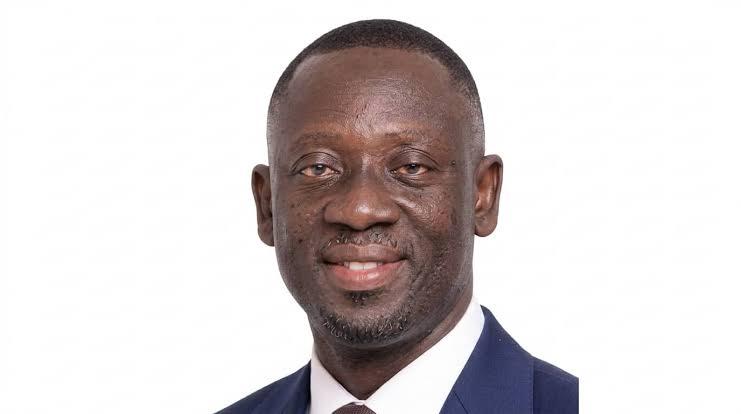
The party is relying on findings expected from the Ghana Education Service, a criminal investigation directed by the Education Minister and evidence raised in journalist Manasseh Azure Awuni’s documentary. Mr Gbande emphasised that the decision to let Mr Zakaria contest does not shield him from disciplinary action. He warned that the NDC could remove him from the party, even if he wins the election, should wrongdoing be established.
The NDC has justified its cautious approach by citing the need to protect the aspirant’s rights while allowing the relevant investigations to proceed. It has also linked its interest in the case to safeguarding children and restoring confidence in public schools.
CDD Ghana Director Questions Safeguards in Obuasi Case
Questions about institutional accountability and the treatment of students reporting sexual misconduct have emerged in the Obuasi Senior High Technical School case, with CDD-Ghana’s Director of Policy Engagement and Partnerships, Dr Kojo Asante, criticising weaknesses in the processes used to examine such allegations. He believes the handling of the case warrants scrutiny of how educational authorities investigate complaints and protect children throughout the process.
Dr Asante questioned aspects of the Ghana Education Service’s inquiry into allegations involving headmaster Abdulai Zakaria, arguing that the composition of the committee and its assessment of the available information deserved closer examination.
“What are the protocols for even investigating sexual misconduct and how do you protect the people who have already been victimized?”
Dr Kojo Asante
He contended that administrative bodies must demonstrate impartiality, particularly where questions have been raised about whether earlier complaints were appropriately addressed.
The CDD-Ghana director also criticised procedures that require students who report alleged sexual abuse to recount their experiences repeatedly before investigative panels. He observed that such practices could compound the distress experienced by complainants, especially where the individuals involved are children who require careful and sensitive treatment.

Moreover, Dr Asante emphasised that investigative bodies must establish clear safeguards for pupils throughout the complaint process. He added that authorities should consider the vulnerabilities of those reporting abuse when designing interviews and determining how allegations are assessed, ensuring that the pursuit of evidence does not expose complainants to further harm.
The policy specialist also questioned whether the available institutional responses adequately accounted for the history of complaints reportedly associated with the headmaster. He challenged the assumption that an investigation could be considered satisfactory solely because a committee had completed its work, arguing that the credibility of the process also depends on its composition, methods and treatment of the evidence.
In addition, Dr Asante distinguished the NDC’s administrative assessment from a criminal investigation, noting that political parties are not responsible for determining criminal guilt. However, the administrative bodies can still assess conduct against applicable professional and ethical standards without usurping the responsibilities of law enforcement agencies.
READ ALSO: ISSER Highlights Growing Mineral Concentration in Ghana Exports