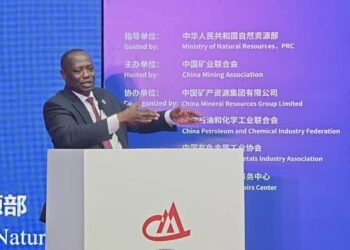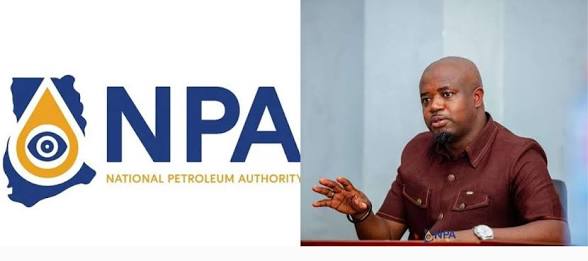
Ghana’s proposed overhaul of the National Petroleum Authority (NPA) Act could reshape the regulatory framework governing petroleum transportation costs and nationwide fuel-price uniformity, as the downstream regulator moves to update legislation it considers inadequate for the industry’s changing demands.
NPA Chief Executive Godwin Edudzi Tameklo disclosed the ongoing review during a working visit by Parliament’s Public Accounts Committee (PAC) to the Authority on Wednesday, October 21, 2026, indicating that a bill to amend the existing legal framework would soon be submitted to Parliament.
The proposed changes are expected to include adjustments to the Unified Petroleum Price Fund (UPPF), which supports Ghana’s uniform petroleum pricing policy by addressing differences in the cost of transporting fuel across the country.
The reform could have implications beyond the NPA’s regulatory operations. It touches on how the country distributes the cost of supplying petroleum products nationwide, protects consumers in locations with higher transportation costs and maintains a pricing framework that does not automatically transfer geographical disadvantages to individual communities.
The announcement also builds on issues previously examined by The Vaultz News in its coverage of downstream petroleum regulation, energy security, domestic refining and policy stability.
The Authority’s earlier emphasis on strengthening the sector’s resilience now intersects with a legislative question: whether the law governing the market can adequately support its current structure and future ambitions.
Two Decades of Regulation Face a Changing Market
The NPA operates under the National Petroleum Authority Act, 2005 (Act 691), which established the legal foundation for regulating Ghana’s downstream petroleum industry and created the UPPF framework.

Mr. Tameklo said the legislation requires a comprehensive review to reflect developments in the market since its enactment.
“The Authority Act 691 is 20 years old and oftentimes for a regulator, the market is always ahead of regulation. And so after 20 years there has been the need for an amendment, a complete overhaul,”
The statement signals that the proposed exercise is intended to go beyond isolated adjustments. However, the full scope of the amendments, including the specific provisions to be changed, will become clearer when the proposed bill is formally presented.
For the regulator, the central challenge is to ensure that its legal powers and operational framework remain relevant to an industry involving petroleum imports, refining, storage, transportation, distribution and retail sales.
A law that does not adequately accommodate changes in market practices can complicate regulatory enforcement and limit the Authority’s ability to respond to emerging commercial and operational challenges.
At the same time, a comprehensive overhaul creates an opportunity to clarify regulatory responsibilities and strengthen the accountability mechanisms governing the downstream market.
The eventual impact will depend on the provisions Parliament approves, rather than the announcement of a review alone.
UPPF Reform Brings Regional Price Differences Into Focus
One of the most consequential elements of the proposed overhaul is the planned review of the UPPF.
The fund supports the application of a uniform petroleum pricing policy by accounting for differences in the cost of transporting petroleum products to different parts of Ghana.

Without such a mechanism, locations farther from supply depots could face higher distribution costs than communities closer to major supply points.
The NPA chief executive argued that petroleum products require a different pricing approach from ordinary commodities because of their importance to households and economic activity.
“We know like commodities like cement, the price of cement differs from community to community. But we realise that petroleum is so essential that if you run petroleum like you run cement pricing, you create distortions in the system and in the country as well,”
His argument places the UPPF at the intersection of market economics and national distribution policy. The mechanism helps prevent transport disadvantages in some parts of the country from automatically translating into higher prices at the pump.
The issue is particularly relevant to northern Ghana, where longer transportation routes can increase the cost of delivering petroleum products.
“The more northern you go, the greater the poverty. So if you are going to have a situation where those in the north are going to pay higher for no fault of theirs, it will create a problem,”
The proposed review therefore raises a fundamental policy question: how can Ghana preserve equitable access to petroleum products while ensuring that the costs of transporting and distributing them are accurately determined and properly managed?
The answer will depend on the detailed design of the revised framework, including how transportation costs are calculated, how eligible claims are verified and how payments from the fund are administered.
Pricing Equity Must Be Matched by Financial Accountability
While uniform pricing can help protect consumers from geographical price disparities, its sustainability also depends on the integrity of the mechanism used to compensate for transportation-cost differences.
The UPPF must reconcile the cost of moving petroleum products across the country with the policy objective of maintaining a common pricing structure.
This makes the accuracy of transportation data and the verification of claims important to the fund’s administration.
The NPA has previously highlighted the role of technology in strengthening the verification of claims submitted by oil marketing companies.
In October 2026, the Authority also discussed how digital tracking of bulk road vehicles helps establish whether petroleum products reach their declared destinations before transportation-related claims are processed.
That issue is directly relevant to the proposed legal review. A revised framework could provide an opportunity to clarify the rules governing eligible claims, the responsibilities of participating companies and the oversight arrangements required to protect the fund.
However, the announcement of an amendment does not establish that specific changes to claim verification, payment procedures or financial reporting have been agreed.
Those details will need to be assessed against the contents of the bill when it becomes available.
The distinction matters because the UPPF must serve two objectives simultaneously: maintaining a uniform pricing policy and ensuring that the financial arrangements supporting it remain credible.
If the framework does not adequately account for actual transportation costs, it could create distortions in the distribution system. If claims are not properly verified, the fund could face avoidable financial exposure.
Conversely, an overly cumbersome process could delay legitimate payments and create difficulties for companies transporting products across longer routes.
A durable reform must therefore balance consumer protection, accurate cost recovery and effective financial controls.
Parliament’s Role Will Be Central
The proposed legislation will now have to move through the parliamentary process before any amendments become law.
The PAC’s working visit provided the setting for the announcement, but the committee’s visit should not be confused with parliamentary approval of the proposed changes. The bill is yet to be submitted, and its eventual passage will depend on the legislative process.
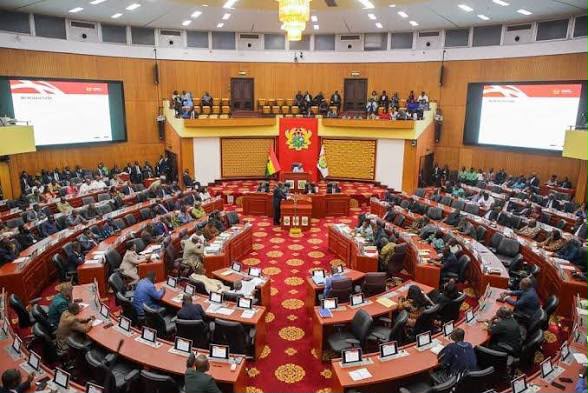
Parliament will have an important role in scrutinising the proposed amendments, particularly the implications for the UPPF, the NPA’s regulatory mandate and the companies operating within the downstream petroleum market.
The substance of the bill will also matter to consumers. Changes to the administration of the fund could affect how transportation-cost differences are handled, although no specific changes to pump prices have been announced.
The reform should therefore be assessed against clear questions: whether it strengthens regulatory effectiveness, improves transparency, protects the fund against unsupported claims and preserves the intended benefits of nationwide price uniformity.
These considerations are also relevant to Ghana’s wider downstream strategy. As the country seeks to strengthen domestic refining, expand storage infrastructure and improve its position in regional petroleum trade, the regulator’s legal framework will need to support a market that is commercially viable as well as adequately supervised.
The Test Will Be in the Final Legislation
The NPA’s proposed overhaul comes as Ghana continues to pursue a broader energy-security agenda in which domestic refining, reliable distribution and policy stability are increasingly interconnected.
As The Vaultz News has previously reported, strengthening downstream resilience requires more than expanding physical infrastructure.

The regulatory and commercial arrangements governing the market also influence whether investments can operate sustainably and whether petroleum products can be supplied reliably.
A revised NPA Act could provide the legal foundation for addressing some of these challenges, but its significance will depend on the specific reforms it introduces.
For the UPPF, the central test will be whether the revised framework can preserve equitable access to fuel across the country while ensuring that transportation-cost compensation is transparent, properly verified and financially sustainable.
For the wider industry, the review offers an opportunity to modernise the rules governing a market that has evolved considerably since 2005.
The immediate next step is the submission of the proposed bill to Parliament. Until its provisions are made public and scrutinised, the extent of the changes—and their implications for regulators, petroleum businesses and consumers—will remain to be determined.
READ ALSO: Ghana Urged to Sustain Aquatic Health Gains