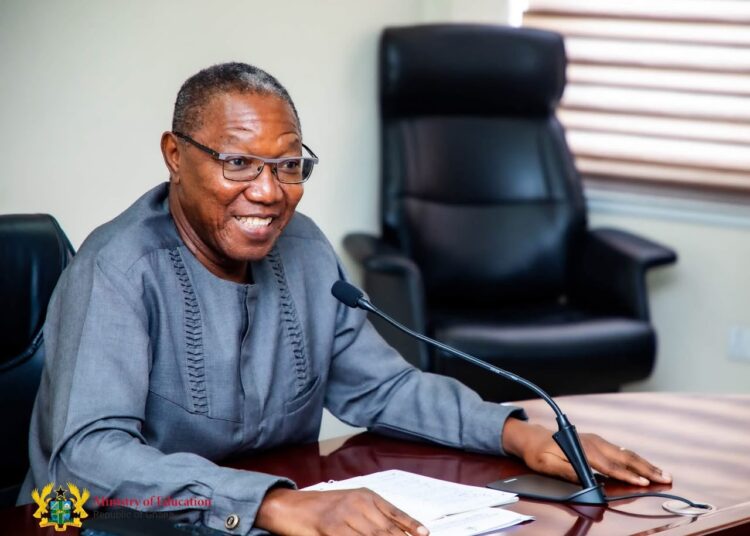
Dr. Clement, Deputy Minister of Education Apaak has disclosed that the government allocated GH¢42.16 billion to the education sector in 2025 as part of efforts to address gaps in access and improve children’s welfare, while welcoming a new scholarship initiative by Colgate-Palmolive Ghana and Melcom.
He stated that the two companies would award 16 scholarships worth GH¢15,000 each, amounting to GH¢240,000, to help students meet school fees and obtain educational materials. The Deputy Education Minister made the announcement at the launch of the Colgate Scholarship Campaign in Accra, explaining that the initiative would complement government interventions to ensure children enrol at the appropriate age and gain timely access to education.
“Government’s investment in education, alongside private-sector scholarship initiatives, is critical to closing access gaps and ensuring every child has the opportunity to learn and succeed.”
Deputy Minister for Education, Dr Clement Abas Apaak
Dr. Apaak explained that the partnership between Colgate-Palmolive Ghana and Melcom would provide 16 scholarships, each valued at GH¢15,000, with a total package of GH¢240,000. According to Dr Apaak, the awards are intended to ease some of the financial pressures that can prevent children from remaining in school and accessing the materials they need for learning.
He stated that the scholarship funds would be paid directly to the beneficiary educational institutions to cover school fees, approved levies and educational materials, the arrangement is intended to ensure that the support reaches its stated purpose and help students to stay in the classroom.
Dr. Apaak commended Colgate-Palmolive Ghana and Melcom for supporting the campaign, describing the initiative as an important contribution to efforts to improve children’s educational opportunities. He emphasised that government cannot meet every need alone and requires private-sector partners and other champions to help expand access.

“This campaign is not only about scholarships; it is about something much deeper. It is about hope and dignity,”
Deputy Minister for Education, Dr Clement Abas Apaak
The announcement also places emphasis on the practical costs associated with keeping children in school. Fees, approved levies and learning materials can affect whether families are able to sustain a child’s education, making targeted assistance relevant to the campaign’s stated objective. By directing payments to institutions, the partners intend to link the scholarship support to these education expenses.
Government Reports GH¢42.16bn Education Allocation
Dr. Apaak linked the private-sector initiative to the government’s wider education agenda, noting that the 2025 allocation of GH¢42.16 billion drew on government funds, the Ghana Education Trust Fund (GETFund) and development partners.
He stated that the investment reflected the government’s commitment to education and included GH¢9.1 billion for basic education programmes. A further GH¢564.6 million was allocated for curriculum-based textbooks to ensure that teaching and learning were appropriately resourced.
“Our government, under the leadership of His Excellency John Dramani Mahama, has made education a priority, and our commitment is backed by resources, not only by rhetoric,”
Deputy Minister for Education, Dr Clement Abas Apaak
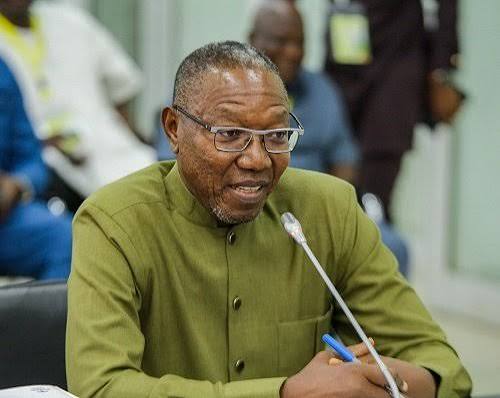
The allocation, he explained, was intended to help address gaps in access and support children’s welfare. He also referred to a GH¢300 million allocation in 2026 for continuing scholarships and new beneficiaries of local and international scholarship programmes.
Enrolment Gains Do Not Resolve Every Challenge
Dr. Apaak acknowledged improvements in access to education, noting that high school enrolment had increased significantly and senior high school enrolment had nearly tripled. However, he cautioned that these gains did not tell the whole story.
He pointed to net enrolment rates, which measure the proportion of children enrolled at the appropriate age, as a continuing concern. Enrolment figures alone, he indicated, do not necessarily show whether children enter the right class at the right time.
That distinction, he explained, is one reason initiatives that help families keep children in school remain important. Timely enrolment and continued attendance are central to ensuring that access translates into meaningful participation in education.
The available details do not specify how students will apply, when the selection process will begin or which schools will participate. Those arrangements were not included in the information provided at the launch. The announced commitment, however, establishes the value of the scholarship package and the intended use of the funds for school-related costs.
Education and Health Investment Linked to Children’s Welfare
Dr. Apaak also connected education outcomes to children’s health, arguing that the two sectors are closely linked. He cited the 2025 health-sector allocation of GH¢17.8 billion, including GH¢9.93 billion for the National Health Insurance Scheme to support free primary healthcare and GH¢200 million for vaccines.
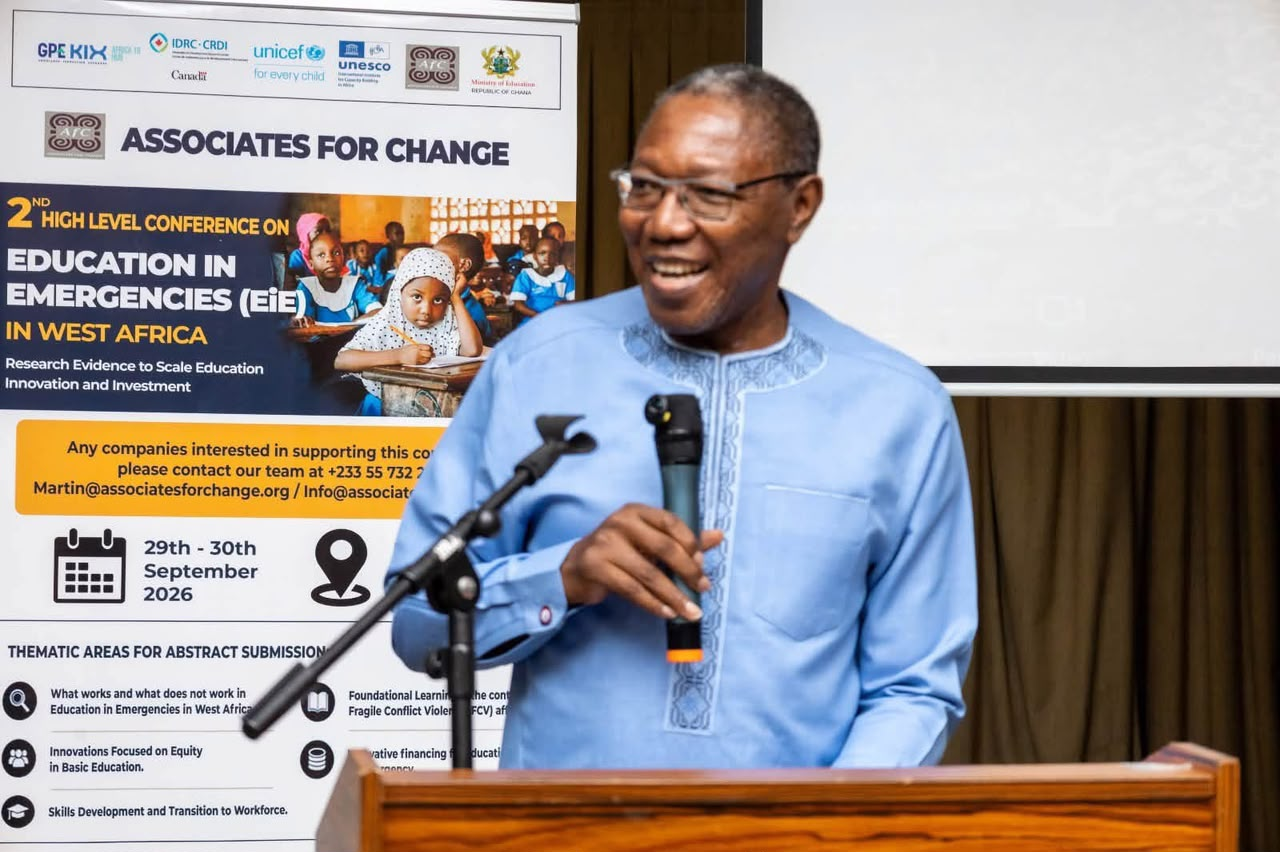
The scholarship campaign therefore adds a private-sector contribution to the wider effort to keep students in school, while the government’s stated allocations cover a broader range of education and health priorities. The success of the scholarship initiative will depend on the awards reaching eligible students and being used for the school costs and materials identified by the programme.
READ MORE: YEA Urges Government to Tackle Funding, Procurement Challenges