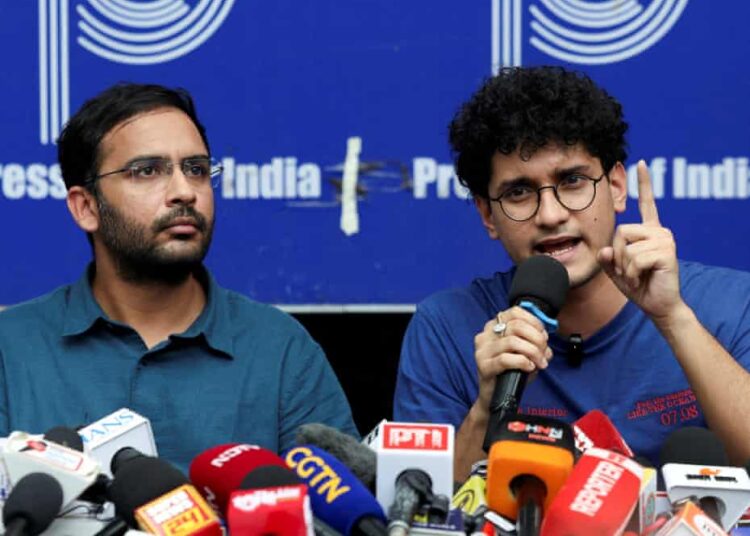
An Indian court has ordered the release of two leaders of the Cockroach Janta Party (CJP) movement, Saurav Das and Ashutosh Ranka, who were jailed last week amid a government crackdown on youth-led protests over alleged manipulation of the country’s electoral roll.
A special magistrate issued the release order on Wednesday evening, despite police efforts to keep the two activists in custody. Das and Ranka had spent a week in Delhi’s Tihar jail following their arrests and were required to sign a bond pledging not to breach the peace.

Their release follows mounting criticism from supporters and leaders of the youth movement, who accused authorities of using arrests and detention to intimidate protesters demanding accountability over changes to India’s voter register. After the ruling, Das declared that “truth has triumphed.”
The arrests came amid demonstrations organised by the CJP and other groups opposing a revision of the electoral roll that they allege has unfairly removed millions of eligible voters and benefited Prime Minister Narendra Modi’s Bharatiya Janata Party (BJP).
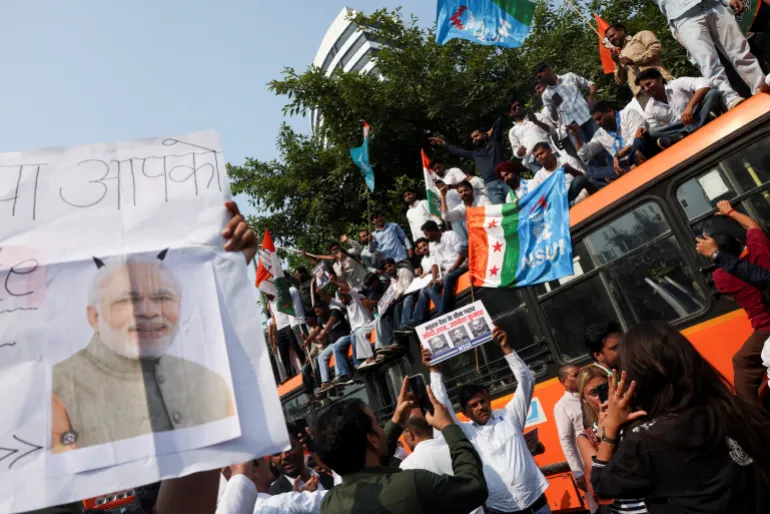
Arrests Follow Protests In Central Delhi
Das and Ranka were initially among activists involved in a CJP march in the Indian capital two weeks ago to protest alleged manipulation of the electoral roll. The demonstration prompted a major police operation, with barricades erected across central Delhi and thousands of young people detained, according to the account provided.
The two leaders were taken into custody again days later after jumping police barricades and raising an Indian flag at a site in central Delhi that had been cordoned off by police.
They were charged with trespass and violating the peace before being sent to jail for five days. Their detention was subsequently extended by another two days, keeping them in custody until the magistrate ordered their release.
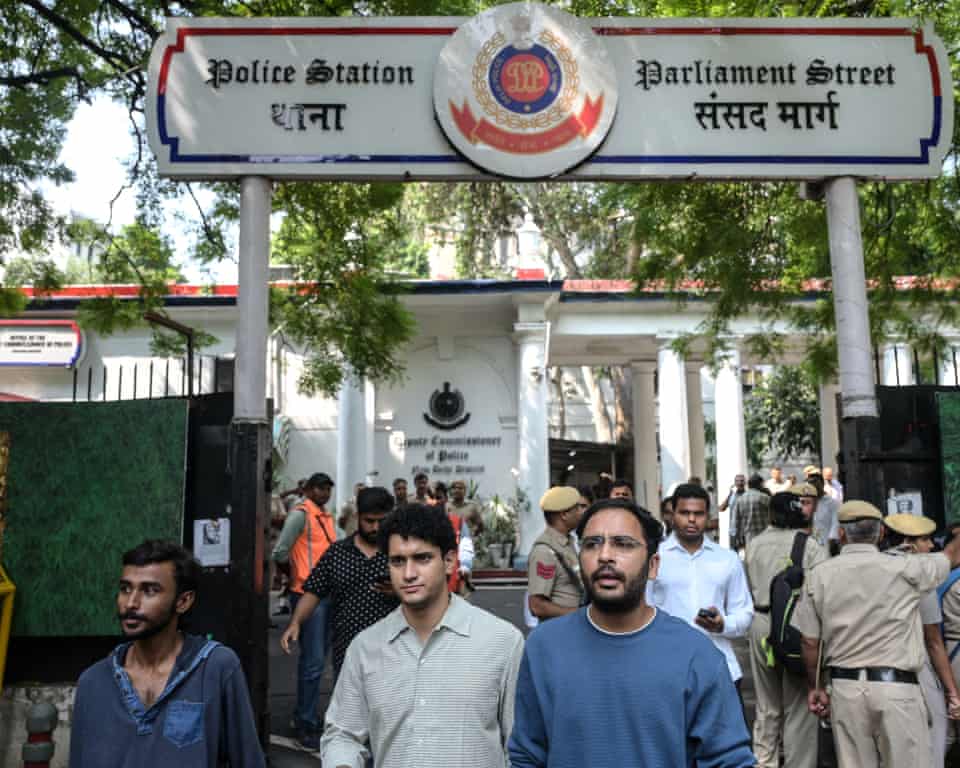
The arrests sparked outrage among CJP supporters, who accused the authorities of punishing the movement’s leaders for participating in peaceful demonstrations.
The release order represents a development in the legal proceedings against the activists, whose detention had become a focal point of the wider dispute over the government’s handling of protests.
The CJP has been working alongside opposition parties, student groups and civil society organisations calling for the resignation of Chief Election Commissioner Gyanesh Kumar.
The groups accuse Kumar of overseeing an electoral-roll revision that has resulted in more than 130 million names being deleted from the voter register and allege that the process benefits the ruling BJP. The party has denied interfering with the electoral process.
The dispute has intensified tensions between the government and its critics, with questions surrounding voter registration and the treatment of protesters becoming central to the movement’s demands.
CJP Vows To Continue Protest Campaign
The release of Das and Ranka is likely to bolster the movement’s efforts to sustain its campaign against the electoral-roll revision and what its supporters describe as attempts to suppress dissent.
Abhijeet Dipke, founder of the CJP movement, vowed over the weekend that neither the prospect of imprisonment nor pressure from the Modi government would intimidate the group’s supporters, known as Cockroaches.
Dipke was also detained on Friday after calling for a peaceful demonstration in central Delhi, where CJP supporters planned to gather and wave the Indian flag in solidarity with the detained leaders.
He said the movement would regroup once Das and Ranka were released, adding that supporters would “gather, re-strategise, and determine how to move forward.”
Dipke also accused authorities of using arrests and detention to discourage further mobilisation.
“The illegal arrests and detentions we have witnessed over the past few days indicate an attempt to intimidate us.
“But we will not be cowed down or retreat. This is a long battle and we are prepared for it.”
Abhijeet Dipke
The court’s decision comes as the CJP and its allies continue to press for accountability over the electoral-roll revision and demand Kumar’s resignation.
While the release of the two leaders marks a setback for police efforts to keep them in custody, the broader dispute over voter registration and the treatment of protesters remains unresolved.
The movement has indicated that it intends to reassess its next steps following the release, leaving open the possibility of further demonstrations as activists continue their campaign.
READ ALSO: Trump Launches ‘Super Intelligence Force’ To Lead US AI Push