The Petroleum Commission has concluded a series of working visits to indigenous oilfield and energy service companies in the Western Region, extending its engagement with local businesses as Ghana seeks to strengthen domestic participation in the upstream petroleum industry.
On the final day of the exercise, a Commission delegation visited Zeal Environmental Technologies, Chemsolv Limited and Ensol Energy, completing the latest round of engagements intended to deepen collaboration between the regulator and Ghanaian companies operating in the sector.
The visits follow an earlier phase of the Commission’s engagement with indigenous service providers, including Wayoe Engineering, Oilfield Machine Shop, 7 Eleven, Harlequin Oil and Gas, Abave Inspection Ghana and Omni Energy.
During that exercise, the Commission’s board and management delegation sought updates on the companies’ operations as part of its broader stakeholder engagement and local content agenda.
The expanded list of companies visited indicates the Commission’s effort to maintain contact with businesses operating across different parts of the upstream services ecosystem.
However, the practical impact of these engagements will depend on whether they lead to improved access to contracts, stronger technical capabilities and greater participation by Ghanaian firms in higher-value petroleum activities.
Local Participation Must Translate Into Business Opportunities
The Petroleum Commission has reiterated its commitment to stakeholder engagement as a means of strengthening collaboration and promoting local content and participation.
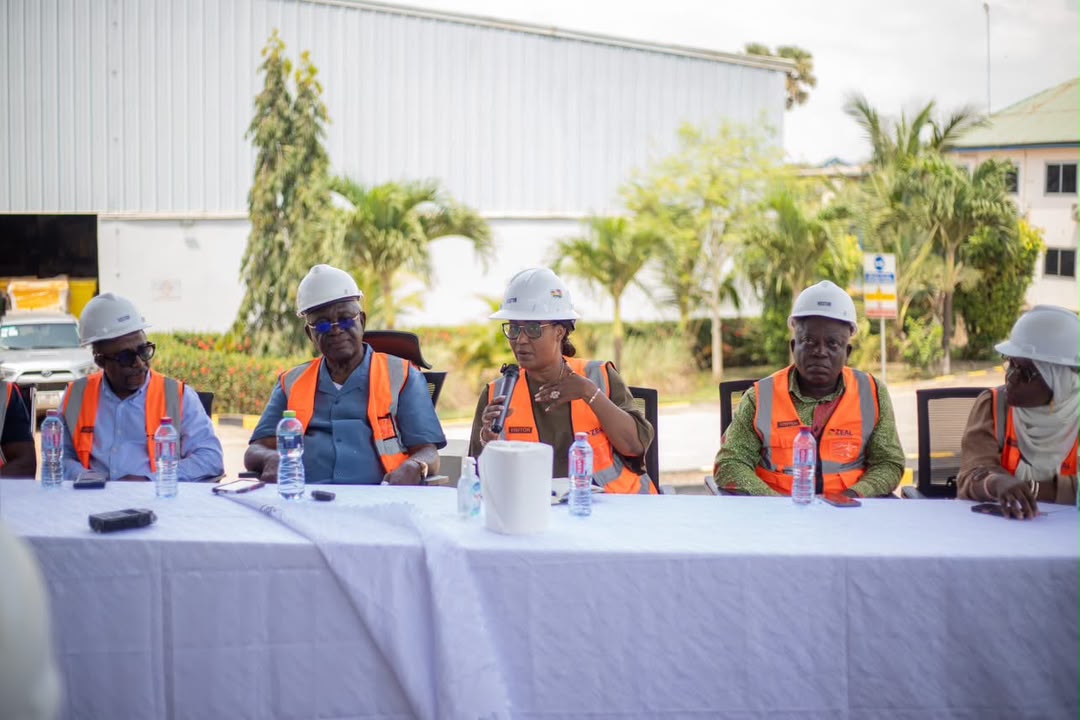
Although the Commission’s latest announcement did not disclose specific agreements, contract awards or new support programmes arising from the visits, the exercise provides an opportunity to examine the challenges facing indigenous companies seeking to establish sustainable positions in Ghana’s upstream petroleum industry.
Local content has become an important component of Ghana’s approach to managing its petroleum resources, with indigenous service companies expected to contribute to employment, technical development and the retention of more industry expenditure within the domestic economy.
Yet the presence of Ghanaian-owned companies in the supply chain does not, on its own, establish how much value they capture.
The depth of their participation depends on the services they can deliver, the complexity of contracts they can secure, their ability to meet technical requirements and the extent to which they can compete for work associated with exploration and production.
For the Commission, direct engagement with service companies can help provide a clearer picture of their operational conditions and the barriers they face.
Such information can also inform discussions about how regulation and industry coordination can support the development of local suppliers.
The latest visits, however, do not establish that these challenges have been resolved. The Commission has not announced specific measures arising from the meetings with Zeal Environmental Technologies, Chemsolv Limited and Ensol Energy.
Indigenous Firms Need More Than Regulatory Engagement
The visits also raise a broader question about the relationship between local content policy and the commercial realities facing indigenous oilfield service providers.
Ghanaian firms may be positioned to provide services to operators and contractors, but converting that opportunity into sustained business requires investment in equipment, skilled personnel, certification, safety systems and working capital.
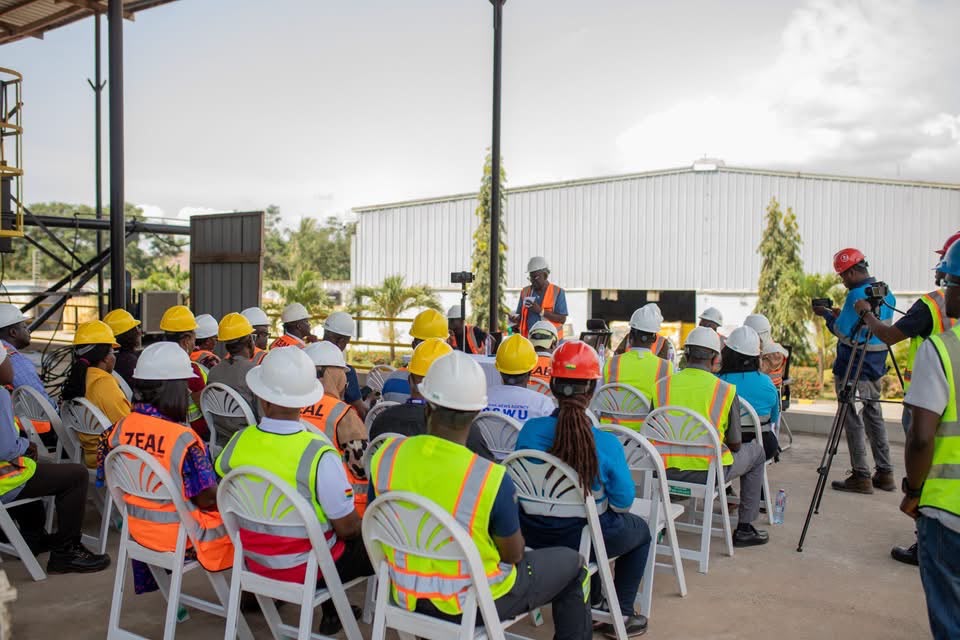
Companies competing for technically demanding contracts may also need to demonstrate that they can meet the standards and delivery schedules expected by international operators.
These requirements can create barriers for smaller businesses, particularly where contracts demand substantial upfront expenditure before payment is received.
Engagement with the Petroleum Commission may help companies communicate such constraints and strengthen coordination with the regulator.
But stakeholder meetings must ultimately be accompanied by practical opportunities for firms to expand their capabilities and participate in procurement.
The Commission’s latest exercise could therefore serve a more consequential purpose if it helps identify specific gaps in the capabilities of indigenous companies and supports targeted responses.
These could include technical training, improved access to information on procurement requirements and closer coordination between local suppliers and companies operating in Ghana’s upstream sector.
Such measures would need to be developed and confirmed by the relevant institutions; the Commission’s announcement does not indicate that any of them have been agreed as a result of the visits.
Upstream Investment Remains Critical to Local Content
The growth of indigenous service companies is also closely connected to activity across Ghana’s upstream petroleum industry.
Demand for oilfield services depends on the scale and timing of exploration, drilling, development and production activities.

When operators commit to new wells or infrastructure, local suppliers may have opportunities to provide engineering, environmental, logistics, maintenance and other services, subject to their technical capabilities and the terms of procurement.
Conversely, subdued investment or delays to petroleum projects can limit the volume of contracts available to local firms, even where those companies have developed the necessary expertise.
This makes the relationship between upstream investment and local participation particularly important.
Developing indigenous capacity without sufficient commercial opportunities may leave companies with underused equipment and skilled personnel, while investment that proceeds without effective local participation can limit the domestic benefits of petroleum production.
The Commission’s engagement with companies across the Western Region is therefore relevant to a wider policy objective: ensuring that Ghanaian firms are positioned to compete for the work generated by the country’s petroleum activities.
The effectiveness of this approach will depend not only on the number of companies visited but also on the extent to which their concerns inform the industry’s response to procurement, capability development and operational requirements.
Measuring the Results of Stakeholder Engagement
The conclusion of the visits to Zeal Environmental Technologies, Chemsolv Limited and Ensol Energy marks the end of this phase of the Commission’s working exercise, but it also creates an opportunity to assess what the engagement delivers beyond relationship-building.
The Commission has not published details of the operational updates received from the three companies or identified particular constraints that emerged during the meetings.
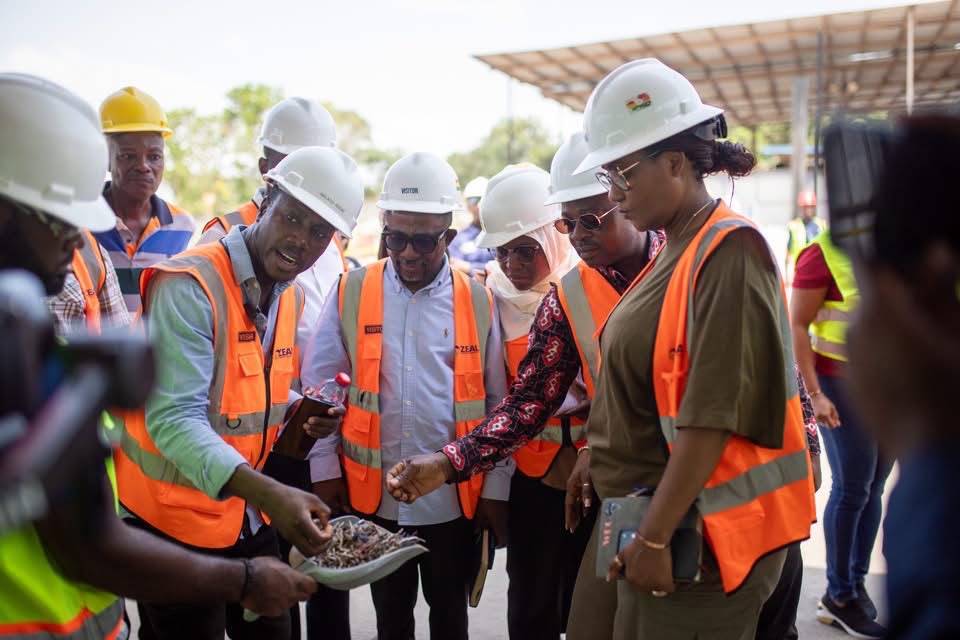
It has also not announced a follow-up timetable or performance indicators for assessing the outcomes of the exercise.
Those details would help establish whether the visits are translating into tangible progress for indigenous service providers.
Potential measures include growth in the value of contracts awarded to Ghanaian companies, increased participation in technically complex activities, expansion of local employment and training, and stronger capacity to supply goods and services that might otherwise be sourced internationally.
Tracking such outcomes would provide a more substantive assessment of local content performance than simply counting engagements or the number of companies participating in them.
The Commission’s continued engagement with indigenous firms signals an ongoing effort to maintain dialogue with businesses that support Ghana’s upstream petroleum operations.
The challenge now is to ensure that this dialogue contributes to commercially sustainable companies and a deeper domestic supply chain.
For Ghana, the ultimate test of local content policy is not merely whether indigenous companies are present in the petroleum industry, but whether they can secure meaningful work, build technical expertise and retain a greater share of the value generated by the country’s petroleum resources.
READ ALSO: Ato Forson Reports GH¢24.8bn Paid to Statutory Funds