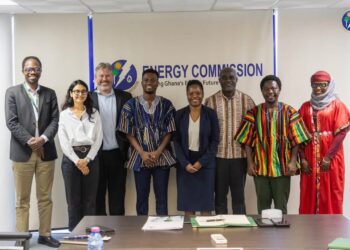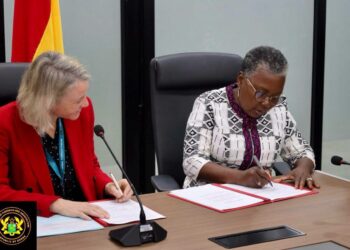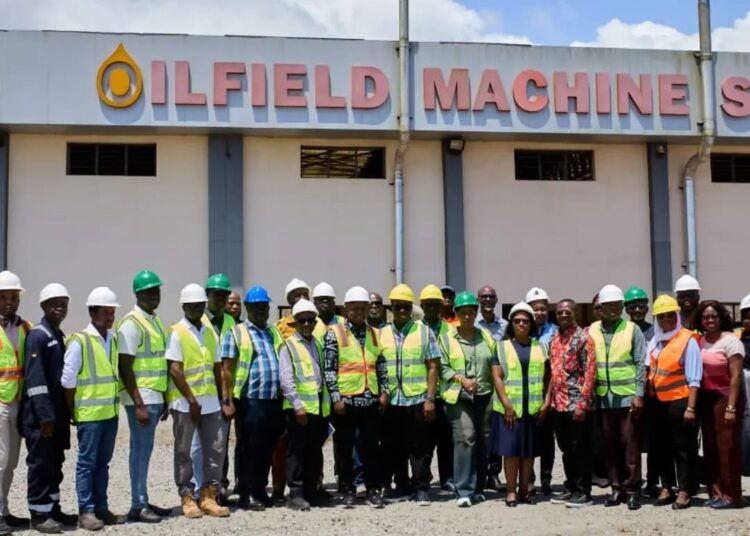
The Petroleum Commission’s engagement with indigenous oilfield service companies in the Western Region is bringing renewed attention to a key question for Ghana’s upstream petroleum industry: whether local businesses are building the operational capacity and commercial resilience needed to capture more value from oil and gas activities.
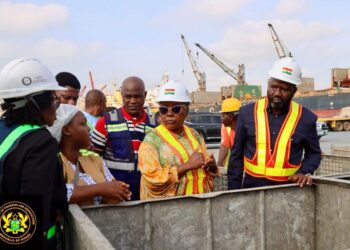
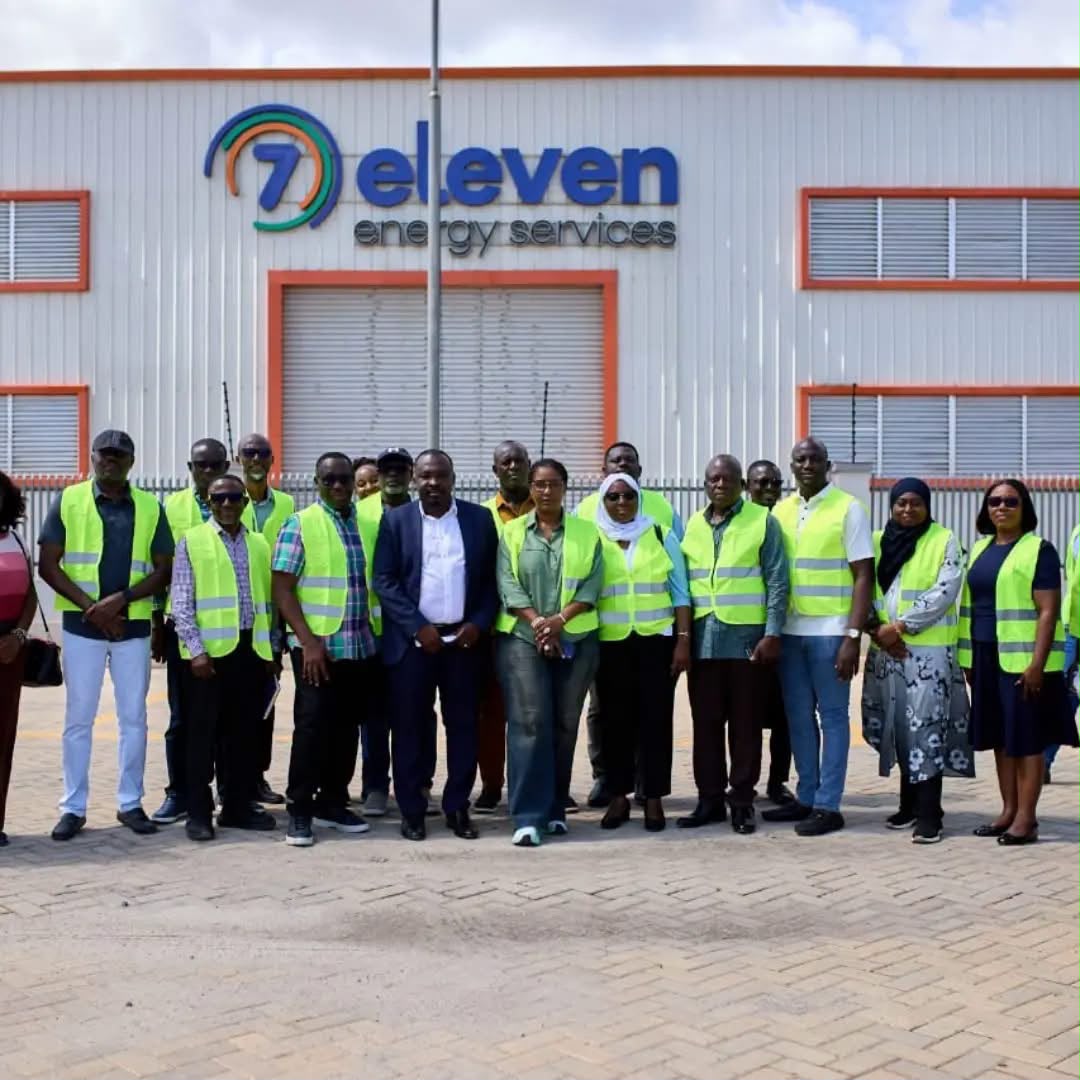
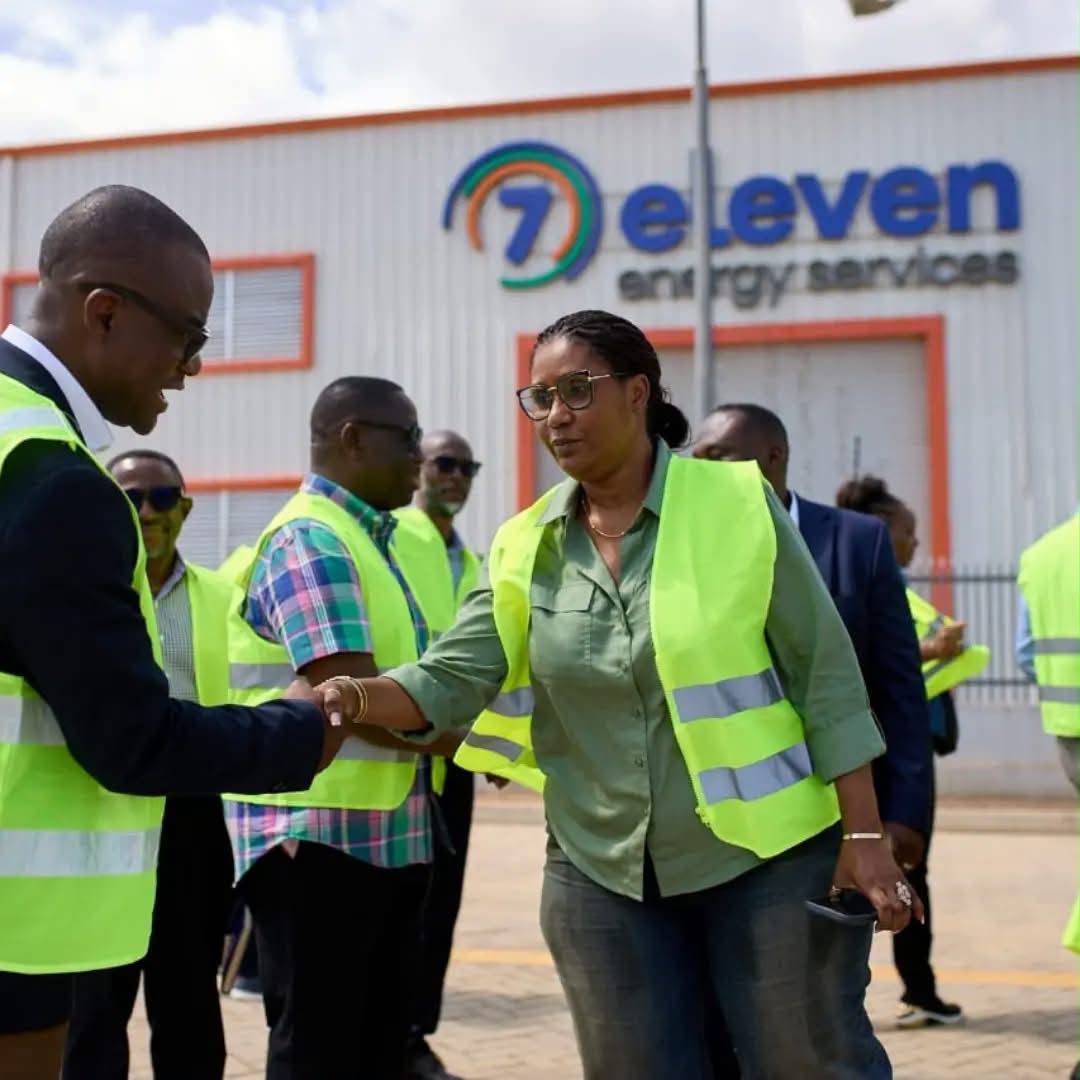
A delegation comprising members of the Commission’s Board and Management has been visiting Ghanaian-owned companies that provide services to the upstream sector, receiving updates on their operations and activities during the year.
The companies visited include Wayoe Engineering, Oilfield Machine Shop, 7 Eleven, Harlequin Oil and Gas, Abave Inspection Ghana and Omni Energy.
The exercise forms part of the Commission’s stakeholder engagement programme, which it says is intended to promote sustainable growth in the industry.
Beyond maintaining relationships with service providers, such engagements offer an opportunity to understand how indigenous businesses are operating and the conditions affecting their participation in petroleum projects.
The visits come against the wider policy objective of strengthening local content and participation in Ghana’s upstream sector.
The long-term value of that objective, however, will depend not only on the number of Ghanaian companies operating in the industry, but also on their technical capabilities, competitiveness and ability to secure sustained contracts.
Local Participation Must Translate Into Capability
Indigenous service companies perform functions that support petroleum exploration, development and production.
Engineering, equipment servicing, inspection and other oilfield services can contribute to the execution of upstream projects while creating opportunities for Ghanaian businesses to develop specialised expertise.
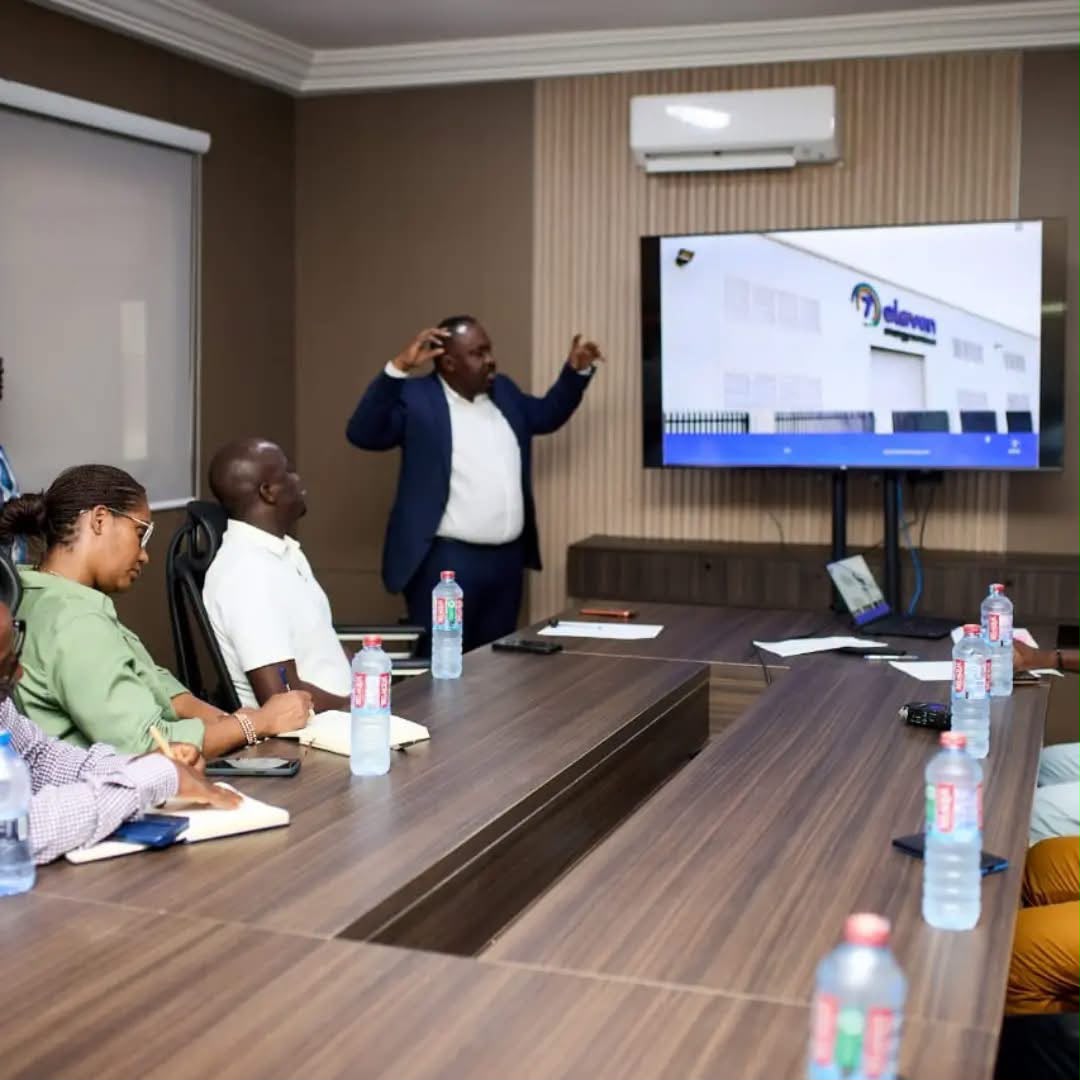
For the domestic industry, building these capabilities can reduce reliance on some imported services, retain a greater share of petroleum expenditure locally and create opportunities for skilled employment.
But local participation is not simply a question of ownership. Companies must also demonstrate that they can meet demanding technical standards, comply with safety requirements, deliver projects on schedule and compete on cost and quality.
The Petroleum Commission’s visits provide an opportunity for the regulator and industry participants to exchange information about business operations.
The Commission has not, however, disclosed specific findings from the visits, including whether the companies reported new contracts, capacity constraints, investment plans or operational challenges.
Those details would help establish how effectively indigenous service providers are positioned to benefit from activity in Ghana’s upstream petroleum industry.
The Commercial Challenge Behind Local Content
Ghana’s local-content agenda seeks to increase the participation of citizens and indigenous businesses in petroleum operations. For service companies, achieving that objective requires access to contracts, skilled personnel, equipment, technology and financing.
These requirements can be difficult to manage in an industry where projects are capital-intensive and service demand may fluctuate with operators’ investment decisions.
Companies may need to invest in equipment and training before securing contracts, while delayed projects or reduced drilling activity can affect their revenues.
This creates a commercial challenge for local participation policy. Requirements that encourage the use of indigenous suppliers must operate alongside efforts to build companies capable of meeting the sector’s technical and financial demands.
Regular engagement between the regulator and service providers can help identify where those pressures arise. The value of such engagement will be greater if information gathered during visits informs practical interventions, including targeted training, improved access to procurement opportunities and measures that help viable local firms strengthen their capabilities.
No such interventions were announced in the Commission’s update, but the operational information gathered could provide a basis for identifying areas where support or policy attention may be needed.
Upstream Investment Shapes Local Business Opportunities
The prospects of Ghanaian service companies are closely linked to the level and timing of investment in the country’s petroleum fields.
Exploration, drilling, field maintenance and production development create demand for different categories of services. When projects advance, indigenous companies may gain opportunities to provide equipment, technical support and specialised services.
When investment slows or projects are delayed, the effects can extend through the domestic supply chain.
This connection makes local-content development inseparable from the wider performance of the upstream industry. A strong pool of indigenous service providers requires a market in which projects proceed, contracts are awarded competitively and companies can plan their investments with reasonable confidence.
It also means that the benefits of local participation cannot be measured solely by the number of registered Ghanaian firms.
More meaningful indicators include the value of contracts awarded to indigenous companies, the complexity of the services they deliver, the skills transferred to Ghanaian workers and the extent to which businesses can sustain their operations over time.
The Petroleum Commission’s engagement with companies in the Western Region could contribute to a better understanding of these issues, although the results of the current exercise have not yet been made public.
Turning Stakeholder Engagement Into Measurable Progress
The Commission’s working visits reinforce its role in maintaining dialogue with companies operating within Ghana’s upstream petroleum value chain.
Such engagement can help the regulator understand business conditions while giving local firms an opportunity to communicate their operational experiences.
The next step is to establish how these interactions contribute to measurable improvements in local participation. Publishing broader findings on the concerns raised by service providers, where appropriate, could help industry stakeholders understand the constraints facing indigenous companies and the actions being considered to address them.
For Ghana, the objective is to build an upstream service sector that can do more than participate in petroleum projects. It must develop the technical depth, financial resilience and commercial competitiveness required to capture increasingly sophisticated work.
The Petroleum Commission’s visits to Wayoe Engineering, Oilfield Machine Shop, 7 Eleven, Harlequin Oil and Gas, Abave Inspection Ghana and Omni Energy place those businesses at the centre of the engagement.
Whether the exercise strengthens the industry will ultimately depend on what follows: stronger operational capabilities, more sustainable business opportunities and greater evidence that Ghanaian companies are capturing lasting value from the country’s petroleum resources.
READ ALSO: Mahama’s EC Appointments: Political Scientist Warns Against Partisan Balancing