

Ghana’s petroleum regulator has been urged to move beyond its role in administering the upstream sector and help build a stronger, more capable Ghanaian petroleum industry as the country enters the next phase of its energy development.
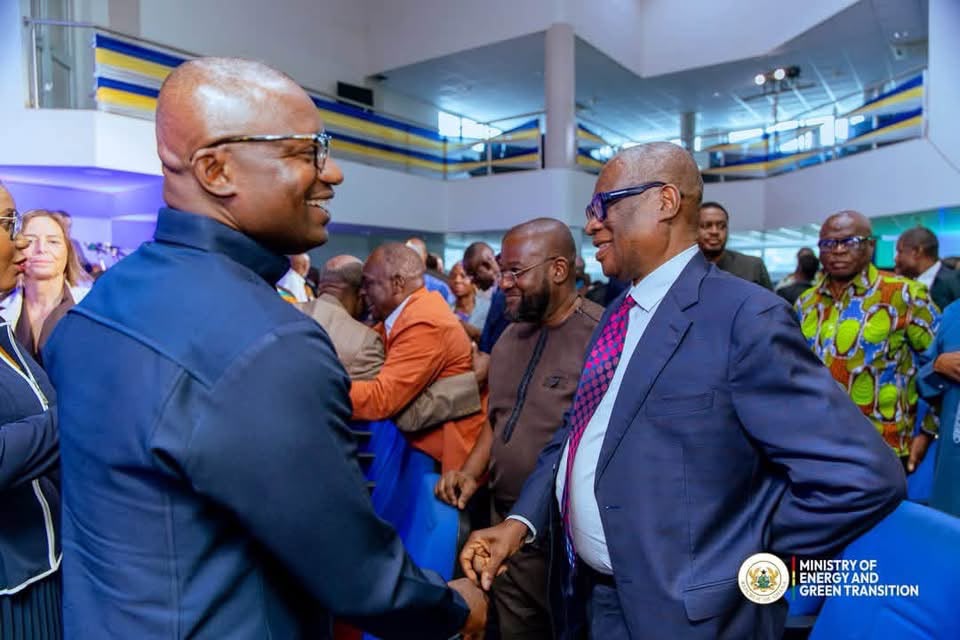
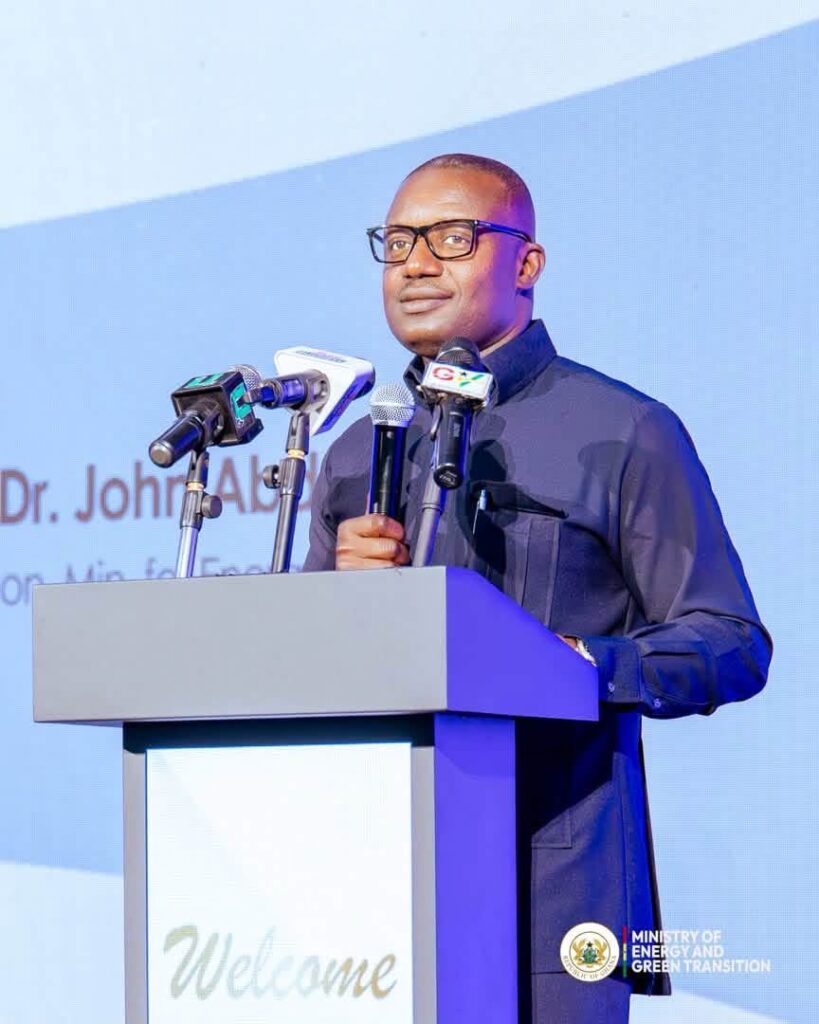
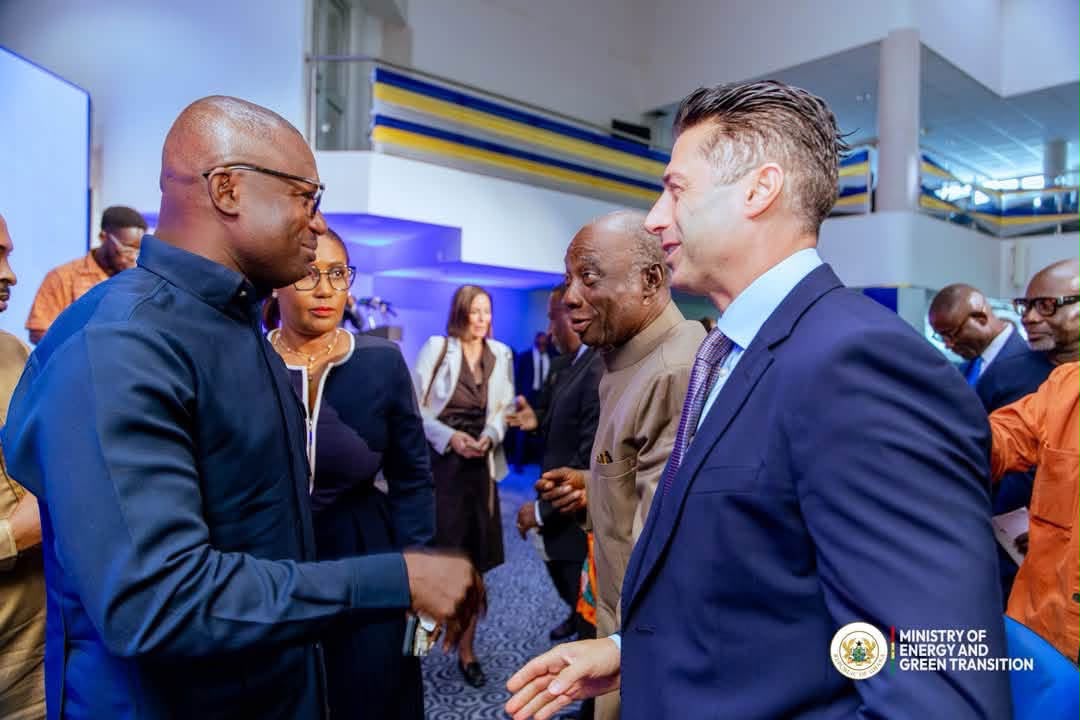
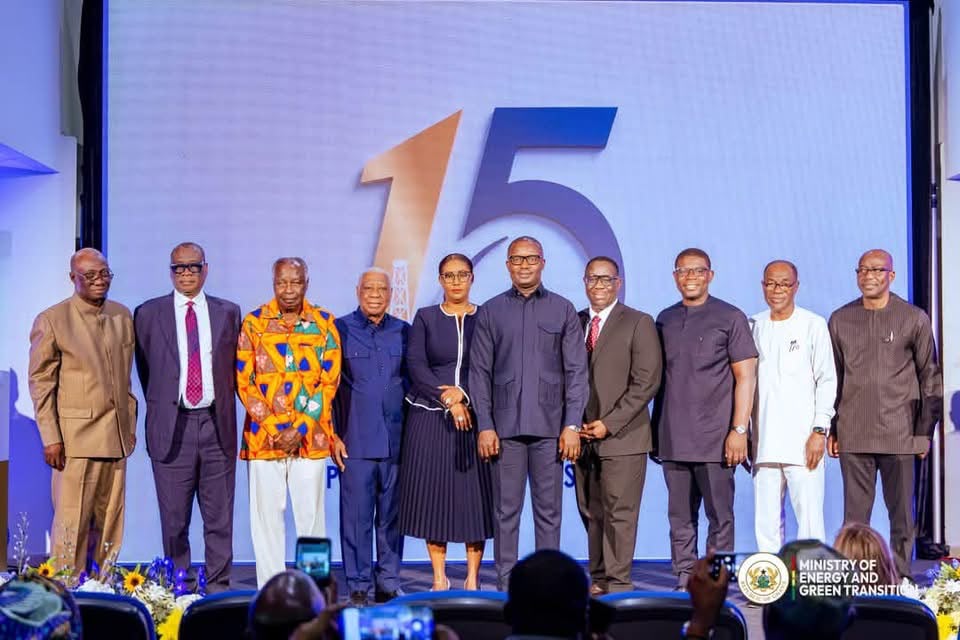
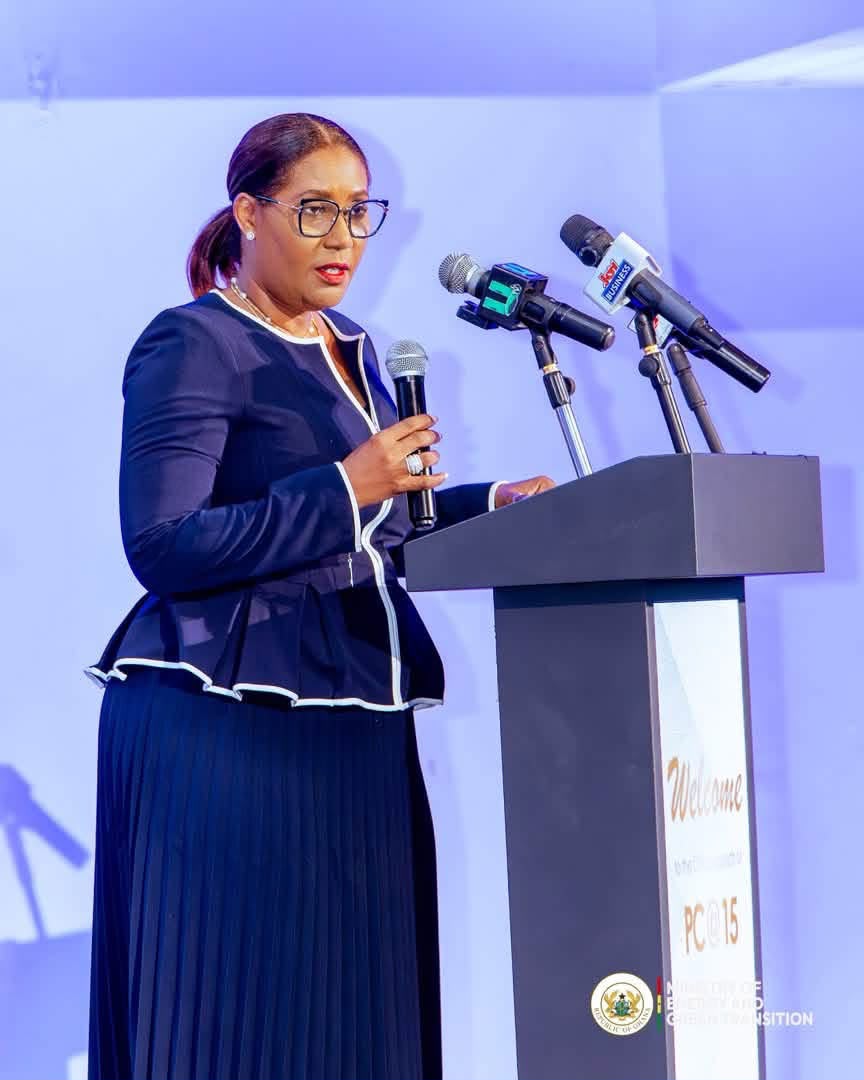
Energy and Green Transition Minister John Abdulai Jinapor made the call as he officially launched the 15th anniversary celebrations of the Petroleum Commission, using the milestone to outline what he described as a more ambitious direction for Ghana’s upstream petroleum industry.
The Minister said the Commission’s work over its first 15 years had been important in strengthening petroleum regulation, advancing local content, supporting investment and promoting responsible development of Ghana’s petroleum resources.
“The next 15 years must be about transformation; from participation to capability, from contracting to ownership, and from creating opportunities for Ghanaian companies to building globally competitive Ghanaian businesses.”
John Abdulai Jinapor, Minister for Energy and Green Transition
The statement comes at a critical point for Ghana’s upstream industry, where the central challenge is no longer simply establishing a regulatory regime but creating the conditions for renewed exploration, production growth and greater domestic value from petroleum resources.
Upstream Sector Faces A New Phase
Ghana’s petroleum industry has matured considerably since commercial oil production began, but the sector now faces a different set of pressures.
Production from the country’s established fields has experienced a prolonged decline, making new field development, exploration and improved recovery increasingly important to sustaining national output.
Jinapor’s emphasis on revitalising the upstream sector therefore places the Petroleum Commission at the centre of a broader effort to reverse that trajectory.
The Minister specifically identified increased exploration and production, deeper gas development and stronger Ghanaian participation as priorities for the next phase.
That focus is significant because increasing production from existing fields alone cannot provide a permanent solution.
Mature assets eventually require more sophisticated reservoir management and additional investment, while new discoveries must be converted into producing assets if Ghana is to replenish declining reserves.
The policy challenge is consequently shifting from managing an established petroleum industry to ensuring that the industry continues to generate new opportunities.
Local Content Must Move Up The Value Chain
Perhaps the most consequential part of the Minister’s message concerns local participation.
Ghana has spent years developing local-content requirements designed to increase the participation of Ghanaian businesses and professionals in petroleum activities.
The next question is whether that participation can increasingly translate into ownership, technical capability and internationally competitive companies.
Jinapor’s distinction between “participation” and “capability” captures that challenge.
A Ghanaian company winning a contract is valuable, but the longer-term economic benefit is considerably greater if that company develops the expertise, capital base, technology and management capacity to compete for increasingly complex projects in Ghana and outside the country.
The same principle applies to ownership.
Moving from contracting to ownership suggests a policy ambition in which Ghanaian businesses do not remain permanently concentrated in service provision but gradually acquire the capacity to own assets, invest in infrastructure and participate more substantially in the commercial value generated by the petroleum industry.
That would represent a deeper form of local content: not simply increasing the number of Ghanaian firms involved in petroleum operations, but increasing the economic value retained by Ghanaian capital.
Gas Is Becoming A Strategic Priority
The Minister’s reference to deeper gas development also reflects the changing importance of natural gas within Ghana’s energy system.
Gas has become closely connected to electricity generation, industrial activity and the broader objective of improving domestic energy security.
For Ghana, expanding gas development is therefore not solely an upstream production issue.
It is also connected to the reliability and affordability of the wider energy system.
Greater domestic gas availability could support power generation and industrial users while reducing exposure to imported gas and other energy commodities.
But the value of additional gas production will depend on whether infrastructure exists to process, transport and consume it economically.
That makes the Petroleum Commission’s regulatory role particularly important as Ghana seeks to develop the sector while ensuring that new investments are commercially viable and aligned with national energy priorities.
Investment And Regulation Must Move Together
Jinapor’s comments also place renewed emphasis on investment.
Ghana requires fresh capital to develop discovered resources, maintain mature fields and undertake exploration in areas where commercial discoveries have yet to be established.
At the same time, investors need a predictable regulatory environment in which contracts, fiscal terms and approval processes are sufficiently clear to support long-term decisions.
The Minister has previously indicated that government is reviewing aspects of Ghana’s petroleum fiscal and regulatory framework to improve the investment environment while protecting national interests.
The Petroleum Commission will inevitably be an important institution in that process because the regulator sits between government policy and the operational realities faced by upstream companies.
The balance will be delicate.
A framework that is too restrictive can discourage investment, while one that prioritises investment at the expense of national value can leave Ghana with production without sufficient economic benefit.
The objective should therefore be competitiveness without compromising public interest.
The Energy Transition Adds Another Layer
The Petroleum Commission’s next 15 years will also unfold against a changing global energy landscape.
Jinapor explicitly linked the Commission’s future priorities to Ghana’s preparation for the energy transition.
That does not mean abandoning petroleum development.
Rather, it raises the question of how Ghana can maximise value from its existing petroleum resources while preparing for an energy system in which hydrocarbons will increasingly operate alongside renewable energy and other technologies.
For Ghana, this makes institutional capacity particularly important.
Petroleum resources remain a significant component of national energy security and public finances, but the country also needs to ensure that petroleum revenues and expertise contribute to a broader transition rather than becoming stranded economic assets.
The Commission’s next phase could therefore involve more than regulating oil and gas operations.
It could help shape how Ghana uses its remaining petroleum opportunities to build industrial capability, strengthen energy security and support a gradual diversification of the energy economy.
Jinapor’s anniversary message ultimately sets a higher standard for the Commission.
“The next 15 years must be about transformation.”
John Abdulai Jinapor, Minister for Energy and Green Transition
The significance of the Petroleum Commission’s 15th anniversary, therefore, lies less in celebrating the past than in what Ghana expects from the institution next.
The immediate test will be whether stronger regulation can translate into renewed upstream investment, higher and more sustainable production, deeper gas development and Ghanaian companies capable of competing beyond the domestic petroleum market.
For Ghana’s upstream sector, the next chapter cannot simply be about regulating more activity.
It has to be about extracting more capability, investment and national value from every opportunity that remains.
READ ALSO: Gold Cannot Save You At 2AM, Madam Darko-Opoku Calls on Miners