United Nations Independent Expert on the enjoyment of human rights by persons with albinism, Muluka-Anne Miti-Drummond, has warned that colour-based discrimination is causing severe psychological distress and restricting the fundamental rights of persons with albinism worldwide.
According to the UN expert, persistent prejudice, social exclusion and harmful stereotypes are undermining the mental health, wellbeing and dignity of persons with albinism, while limiting their access to healthcare, education, employment and public participation.
“For persons with albinism, colour-based discrimination is not a probability; it is a daily reality which often has consequential implications on their lives, including defining and restricting their right to health, education, employment, public participation and even life.”
Muluka-Anne Miti-Drummond
Miti-Drummond identified the psychosocial consequences of colour-based discrimination as a growing concern, particularly because of their implications for mental health and overall wellbeing.
She explained that “the constant unconscious bias, micro and macro-aggressions, othering and social exclusion against them have led to persons with albinism experiencing low self-esteem, anxiety, depression, internalisation of negative stereotypes, self-isolation, suicidal ideation and racial trauma.”
According to a UN report, discrimination can become deeply embedded in everyday social interactions, making it difficult for affected individuals to escape its psychological effects even when they are not experiencing direct physical violence.
The report explains that persons with albinism may face ridicule, derogatory comments, bullying and exclusion in schools, workplaces, families and public spaces. Such experiences can reinforce feelings of inferiority and discourage participation in social and community life.
The discrimination also affects individuals who experience seemingly minor or indirect forms of hostility, including inappropriate comments about their appearance, assumptions about their abilities and exclusion from social activities.
The UN expert further highlighted the severe psychological consequences associated with the threat of mutilations and killings in settings where persons with albinism are targeted because of harmful beliefs about their bodies, adding that family members, particularly parents of children with albinism, also experience emotional distress as they try to protect their loved ones from discrimination, abuse and potential attacks.
Myths, Media Stereotypes and Weak Enforcement Fuel Prejudice
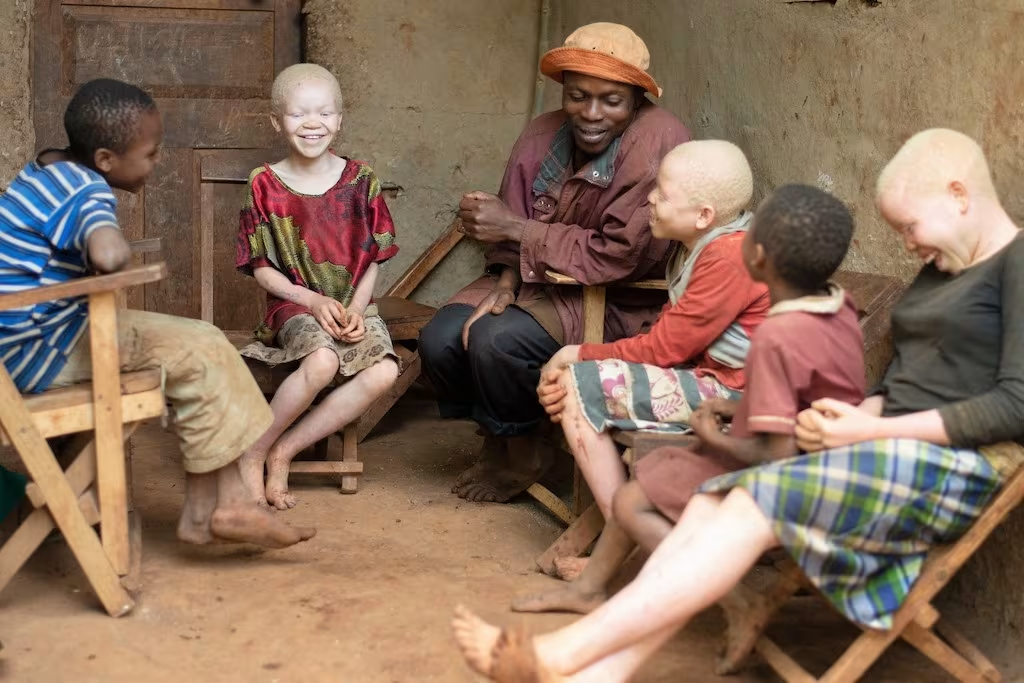
Moreover, the UN expert noted that, “the multiple and intersecting drivers that tend to reinforce colour-based discrimination against persons with albinism are rooted in several factors, including deeply rooted myths and prejudices, the role of the media in perpetuating negative stereotypes, poor knowledge on albinism and weak enforcement mechanisms despite existing legal and policy instruments.”
Albinism is a rare, genetically inherited condition characterised by reduced or absent melanin pigmentation, which affects the colouring of the skin, hair and eyes. It is not contagious, yet misconceptions surrounding the condition continue to contribute to stigma and exclusion.
The report notes that harmful beliefs can portray persons with albinism as cursed, associated with supernatural powers or somehow different in their human worth. In some settings, myths surrounding their body parts have also contributed to attacks, mutilations and killings.
These beliefs lead to discrimination within families and communities, including the rejection of children, social isolation and barriers to forming relationships or participating in community activities.
UN Expert Urges Governments to Strengthen Protection and Support
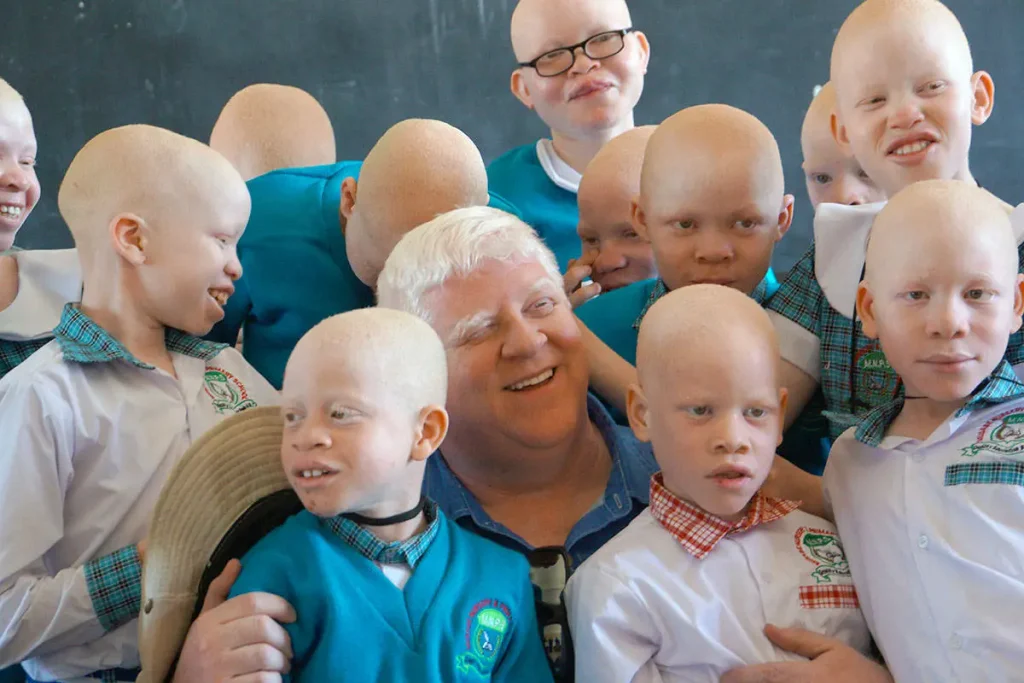
In view of that, Miti-Drummond urged governments to introduce reforms and policy changes that address the psychosocial impact of colour-based discrimination, its underlying causes and its different manifestations.
She advocates for a coordinated approach that steps outside formal legal protections and includes practical measures capable of influencing public perceptions, enhancing access to support services, and increasing people with albinism’s participation in life-changing decisions.
The UN expert also recommends greater public awareness of albinism to challenge myths and misconceptions, alongside stronger engagement with organisations representing persons with albinism and emphasises that affected individuals and their representative organisations should be involved in efforts to develop and implement policies designed to protect their rights.
These measures are intended to address the wider social conditions that enable discrimination to persist, while helping persons with albinism access healthcare, education, employment and opportunities for public participation on an equal basis with others.
The UN expert places particular emphasis on the need to recognise the different forms discrimination can take, from overt violence to subtle everyday exclusion, and to ensure that legal protections translate into meaningful improvements in people’s lives.
Addressing the problem requires not only protecting persons with albinism from violence, but also challenging the attitudes that undermine their dignity, supporting their psychological wellbeing and ensuring they can exercise their fundamental rights without fear of exclusion or harm.
READ ALSO: Sammy Gyamfi Clarifies Unlicensed ASM Mining Comment