The United Nations Children’s Fund (UNICEF) Ghana has raised concerns over children’s safety online after more than 51,000 reports related to child sexual abuse material were linked to Ghana in 2025.
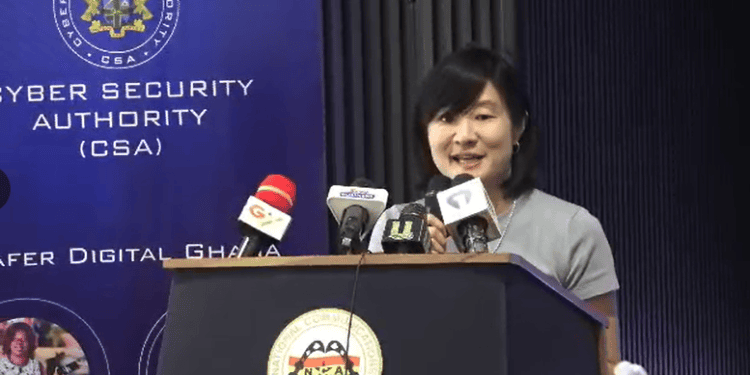
The figures were highlighted at a Child Online Protection and Digital Parenting Forum organised by the Cyber Security Authority (CSA) during the 2026 National Cyber Security Awareness Month.
UNICEF Ghana Child Protection Specialist Miho Yoshikawa called for stronger measures to protect children as they spend more time online, warning that the rise in reports points to serious concerns about technology-facilitated sexual exploitation and abuse.
The figures shared by the US-based National Center for Missing and Exploited Children rose from 750 reports in 2016 to more than 51,000 in 2025.
“Although the internet offers children valuable opportunities, it also exposes them to serious dangers, with reports of child sexual abuse material linked to Ghana rising from 750 in 2016 to over 51,000 in 2025.”
Ghana Child Protection Specialist Miho Yoshikawa
Ms Yoshikawa acknowledged that digital technology provides children with positive opportunities, including access to information and online engagement. However, she cautioned that those benefits come with risks requiring deliberate action from families, institutions and countries.

The figures cited at the forum relate to CyberTipline reports involving child sexual abuse material accessed, shared or produced from Ghana. The increase from 750 reports in 2016 to more than 51,000 in 2025 represents a sharp rise over the period and has renewed attention on children’s safety in digital spaces.
Call for Stronger Child Protection Measures
Ms Yoshikawa stressed that governments and relevant stakeholders must strengthen child protection measures as internet connectivity expands and technology continues to evolve. She urged countries to ensure safeguards keep pace with children’s growing engagement with digital platforms.
Her remarks focused on technology-facilitated sexual exploitation and abuse, a concern requiring attention to the online environments children use and the risks they may encounter. The UNICEF specialist indicated that acknowledging the internet’s benefits should not distract from the need to prevent harm.
The rise in reports reinforces the importance of improving awareness and ensuring those responsible for children are equipped to recognise risks and respond appropriately.
Parents and Caregivers Have a Key Role
Ms Yoshikawa also highlighted the role of parents and caregivers in protecting children online. She noted that families need relevant information and support to identify potential dangers and help children navigate digital spaces safely.
According to her, parents and caregivers should be equipped to understand the risks associated with children’s online activity and take appropriate steps to protect them. This support is important as technology changes and children encounter different forms of online content and interaction.
The UNICEF specialist referred to the We Protect Model National Response, which emphasises the importance of equipping parents and caregivers to protect children from technology-facilitated sexual exploitation and abuse. The approach recognises that child online safety requires coordinated action and that caregivers have an important role in prevention.
Forum Promotes Safer Digital Parenting
The Child Online Protection and Digital Parenting Forum formed part of broader activities under the 2026 National Cyber Security Awareness Month. Organised by the Cyber Security Authority, the forum focused on child online protection and digital parenting practices that can help children use the internet more safely.
The discussions come amid concerns about the increasing number of reports related to child sexual abuse material linked to Ghana. The figures presented by UNICEF Ghana underline the importance of keeping child protection on the agenda as digital access and technology use continue to develop.
Ms Yoshikawa’s remarks also pointed to the importance of practical support for families. Parents and caregivers require information that helps them recognise online risks, discuss safe internet use with children and take action when concerns arise.
UNICEF Ghana’s call is for child protection measures to evolve alongside technology and for families to receive the support needed to protect children online. The increase from 750 reports in 2016 to more than 51,000 in 2025 has brought renewed attention to the scale of the concern and the need for sustained efforts to make digital environments safer for children.
READ MORE: CSJ Demands Time-Bound Probe, Accountability Before Obuasi SHTS Reopens