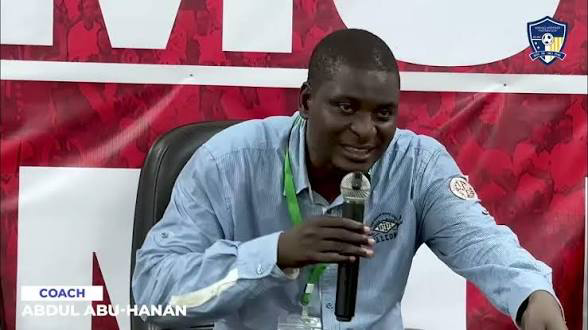
Young Apostles head coach Abu Abdul-Hanan has attributed Ghana’s failure to qualify for the 2027 U-17 Africa Cup of Nations to a lack of tactical understanding among young players, calling for a fundamental rethink of coaching at the juvenile level.
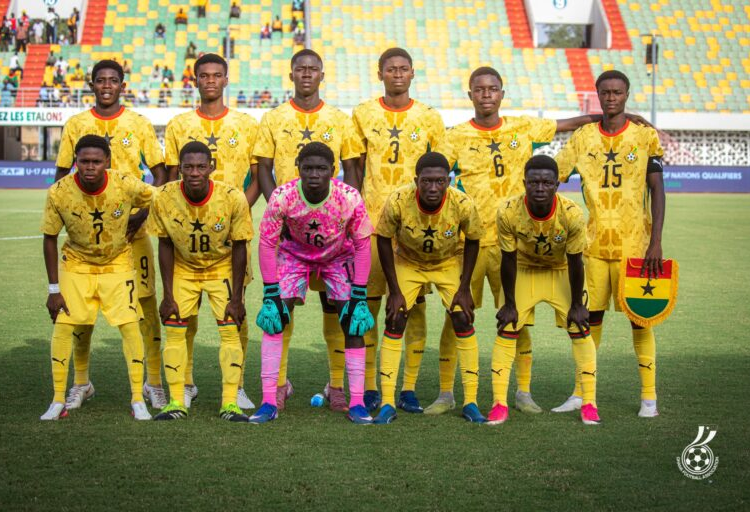
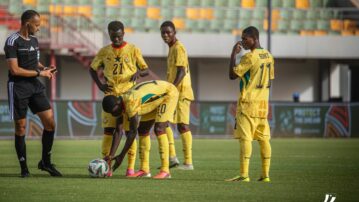
The Black Starlets missed out on a place at next year’s continental tournament after losing 1-0 to Côte d’Ivoire in the semi-finals of the 2026 WAFU Zone B U-17 Boys Championship in Burkina Faso.
Ghana subsequently suffered a 2-0 defeat to hosts Burkina Faso in the third-place playoff to finish fourth in the competition, while Niger defeated Côte d’Ivoire on penalties after a 2-2 draw to emerge as champions.
Speaking in an exclusive interview with The Vaultz News, Abdul-Hanan argued that Ghana’s recurring difficulties in developing technically effective teams stem from an overemphasis on individual skills at the expense of tactical education, warning that the problem extends beyond the national youth teams.
“Our tactical understanding of the game is always the problem and this cannot be solved at the highest level. It has to start from the U-15 to the U-17.”
Abu Abdul-Hanan, Young Apostles FC Head Coach

The Young Apostles coach believes Ghana must prioritise tactical awareness and recruit competent coaches at the developmental stages if the country hopes to produce players capable of competing consistently at the highest level.
Individual Talent Without Tactical Understanding
Abdul-Hanan, who said he had followed some of the Black Starlets’ matches, believes Ghana’s young players possess the natural ability required to succeed but lack the collective understanding needed to translate their individual qualities into effective team performances.
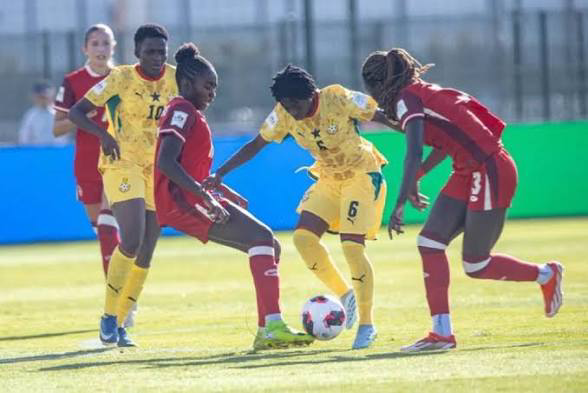
He drew comparisons with Brazil after watching Ghana’s U-17 women’s team face the South American side at the ongoing FIFA U-17 Women’s World Cup, arguing that the difference in tactical awareness was particularly noticeable.
He maintained that Ghana’s young players often demonstrate impressive dribbling ability, speed and physical strength but struggle to understand positioning, movement and their responsibilities within a coordinated system.
“The boys are talented, they are skilful, they can dribble. So you watch their game and you realise a whole bunch of individual performance, even in our Black Star that is what is happening, and it’s killing us.”
Abu Abdul-Hanan, Young Apostles Head Coach
According to Abdul-Hanan, the problem becomes evident when players fail to recognise where to move after releasing the ball, how to create space for teammates or when to make supporting runs.
He specifically identified third-man runs and movement away from the ball as areas requiring greater attention in youth development, stressing that technical ability alone cannot guarantee success in competitive football.
The coach added that similar shortcomings could be observed in the Ghana Premier League, suggesting that the country’s difficulties are rooted in a broader development problem rather than isolated failures by individual national teams.
Call for Reform at Juvenile Level
Abdul-Hanan believes the solution must begin with a deliberate effort to improve coaching and tactical education among players at U-15 and U-17 levels.
He argued that attempting to correct deeply ingrained habits when players reach senior football is considerably more difficult, making early intervention essential to building a stronger foundation for the national teams. “When they grow up, they come to the senior national team, they are used to certain things and if you want to change one or two things, it’s really difficult,” he explained.

He called for the recruitment of coaches with a strong understanding of tactical strategy, insisting that youth football must move beyond concentrating predominantly on technique.
Abdul-Hanan also cautioned that the transformation would require sustained commitment rather than quick fixes, noting that players need time to absorb tactical concepts and apply them consistently on the pitch. “You need a lot of time to impact that practical understanding, theoretical understanding into them so it should be a process.”
The coach expressed his willingness to contribute to Ghana’s football development if given the opportunity, describing the chance to serve the country as a privilege.
“If we get the opportunity, why not? Because that’s what we are all praying for, the opportunity to help your nation.”
Abu Abdul-Hanan, Young Apostles FC Head Coach
Ghana’s failure to qualify for the 2027 U-17 AFCON has once again raised questions about the country’s youth development structures.
But for Abdul-Hanan, reversing that trend will require a long-term commitment to tactical education, better coaching and a development system that prepares talented youngsters for the demands of senior international football.
READ ALSO: UERH Director Urges Early Patient Enrolment in MahamaCares Fund