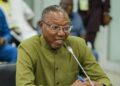

Dr r John Osae-Kwapong, Political Scientist, CDD-Ghana Fellow and Director of the Democracy Project, has stated that the New Patriotic Party (NPP) must use its new executives to show Ghanaians what it learned from its 2024 defeat. He made the remarks in an exclusive interview with The Vaultz News after the party’s National Delegates Conference in Kumasi.
Dr Osae-Kwapong argued that the delegates’ choices have not settled whether the NPP understands why it lost, and that the officers’ engagement with the public will supply the answer. He also outlined how the party can rebuild voter trust, which an Afrobarometer report put at one in ten Ghanaians when the NPP lost power.
“Those who cast the vote still believe they are the right people to lead the party.”
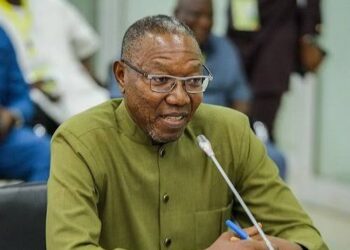
Dr John Osae-Kwapong, Political Scientist, CDD-Ghana Fellow and Director of the Democracy Project
John Boadu, a former Organizer who acted as General Secretary ahead of the 2016 election after the removal of Paul Afoko and Kwabena Agyapong, returned as National Chairman after defeating Boakye Agyarko. He comes back to the front of the party after losing a General Secretary contest to Justin Kodua Frimpong, who retained that post.
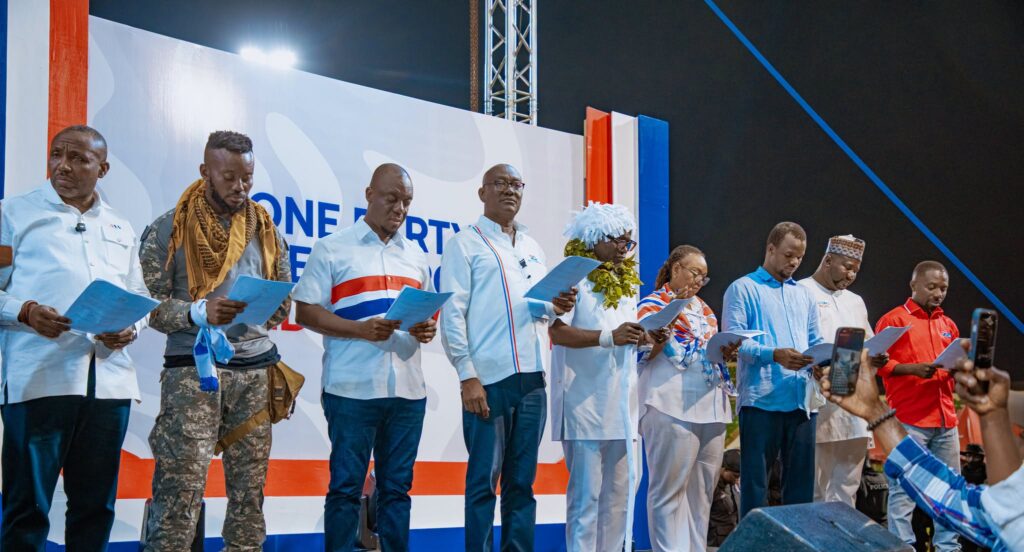
Titus Glover became National Organizer, and Abanga Fuseini Yakubu won the National Youth Organizer position. Mavis Hawa Koomson, a former Member of Parliament for Awutu Senya East, took the National Women Organizer role. The team was sworn in after the vote.
Before the conference, Dr Osae-Kwapong set out three major tasks for the executives: rehabilitating the party’s image, reconciling a party bruised by competitive primaries, and working in step with the flagbearer.

He also argued that the election would show whether the NPP had understood its 2024 defeat. The Vaultz News asked whether the results answer that question.
Delegates Chose, Executives Must Explain
Dr Osae-Kwapong acknowledged that “it’s difficult to answer that,” but noted that “the delegates looked at all of the candidates before them.” He added that delegates probably weighed who should lead the party and prepare it for the 2028 election, whatever their individual reasons.
For him, the real answer lies in what the officers do next. He is hoping that “their next job then in engaging with the public would answer that question for me.” He wants the executives to speak openly about the dissatisfaction and the challenges that preceded 2024, and to explain how the party plans to reconcile with the Ghanaian voter.
Dr Osae-Kwapong observed that after an election defeat, in Ghana and in other jurisdictions, “there are usually calls for party executives who were in office during that defeat to exit.” That pattern did not play out in Kumasi, where delegates kept Justin Kodua in office.
He turned that choice into a challenge for the officers. Having been given the mandate, they must now show Ghanaians that they appreciate the message sent in 2024 and set out how they plan to reconcile with voters moving forward.
Image and Trust: What Voters Will Watch
The Vaultz News then raised the Afrobarometer finding and his earlier caution against relying on the missteps of President Mahama and his ruling National Democratic Congress government.
Asked what the NPP should do in its first year and which indicators the public should watch, Dr Osae-Kwapong pointed to conduct. He listed how the executives engage the public, how they acknowledge their past shortcomings and shortfalls, and how they plan to deal with them.
He noted that public sentiment has not moved on. “We still remember all these things that you did,” he stated, describing how voters view the party. He expects voters to heal with time, adding that “the voter’s trust can be won back.”
Changed Behaviour Over Rhetoric
That recovery depends on action, he argued. The party must acknowledge its own shortcomings and demonstrate “through changed behavior how you plan to engage the public moving forward.” He also urged care when the NPP criticises the NDC government, since some Ghanaians will remind it of its own missteps.
“How do you reconcile your past actions with your current rhetoric?” If the party handles those questions “in an open, transparent way,” Dr Osae-Kwapong believes some of the lost trust can return over time.
The new executives take office with the party’s message already set from the top. The party’s flagbearer, Dr Mahamudu Bawumia has urged the party to dissolve camps and unite for 2028, and John Boadu has vowed renewal of the party.
Minority Leader and MP for Effutu Constituency, Hon Alexander Kwamena Afenyo-Markin urged delegates to leave Kumasi united, and the conference also approved 14 amendments to its leadership structure.
Dr. Osae-Kwapong’s test goes beyond that unity. He wants the executives to answer the 2024 question through what they say to the public and how they act in the months ahead.
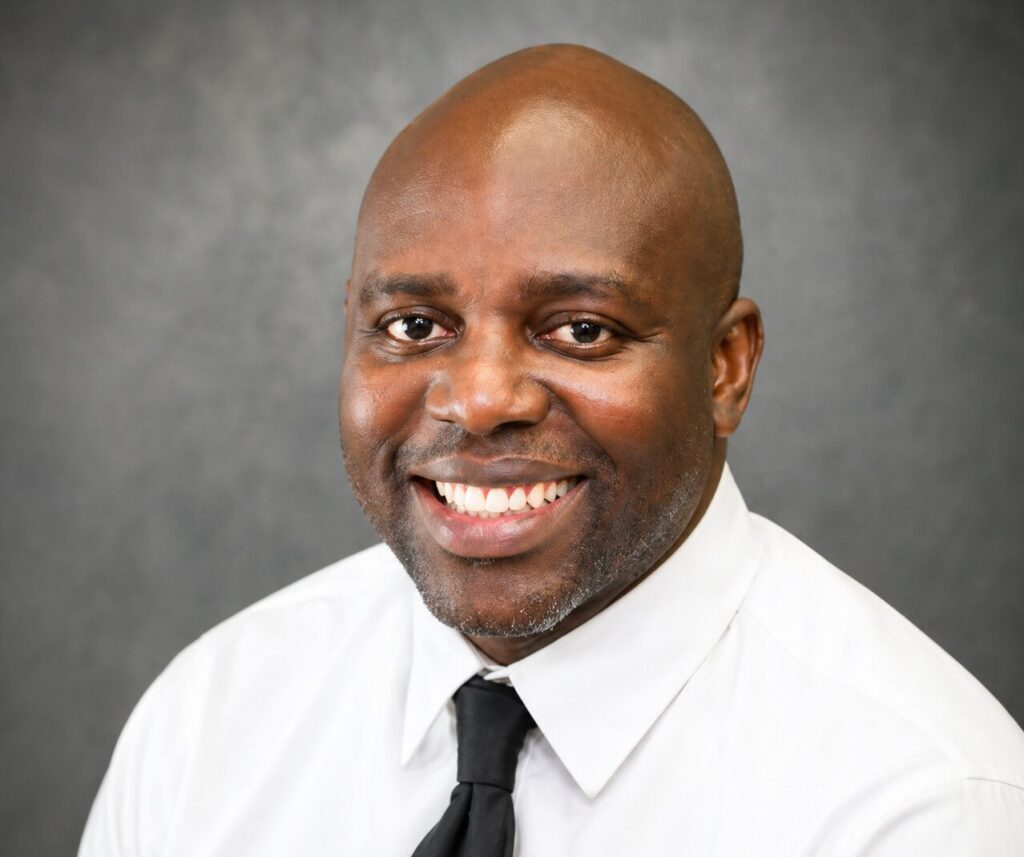
As the NPP looks towards the 2028 general elections, Dr Osae-Kwapong’s assessment places the burden on the new executives to demonstrate that the party has learned from its 2024 defeat.
He argues that rebuilding voter trust will require more than calls for unity and political rhetoric, with transparent engagement, acknowledgement of past shortcomings and sustained changes in behaviour serving as key tests of the party’s renewal.