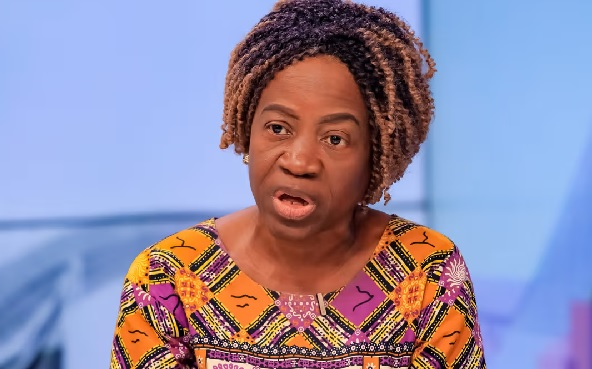
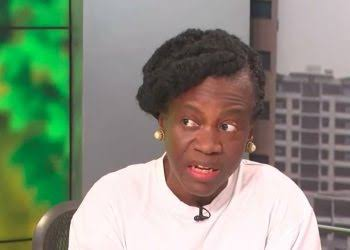
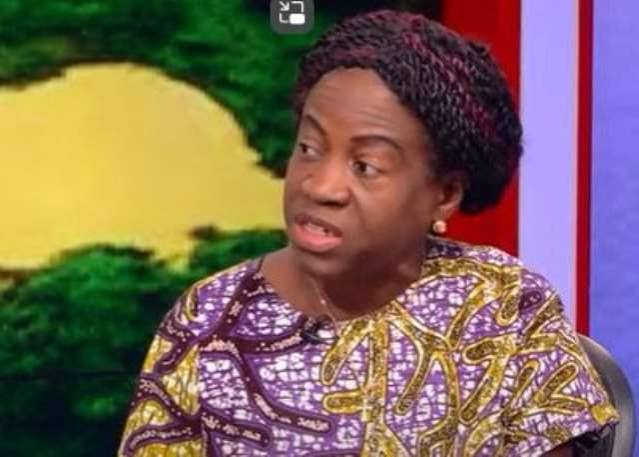
The number of kidney disease cases in Ghana has risen fourfold because of mercury, arsenic and other pollutants in water bodies, the Coordinator of Eco-Conscious Citizen, Ms Awula Serwah, has warned. She cautioned that the country is on the verge of an ecological catastrophe, linking the increase to illegal mining and calling for drastic action.
Ms Serwaa argued that the fight against illegal mining is failing because chiefs, politicians and police commands are involved in or tolerate the practice, while communities that resist are intimidated. She called for these authorities to be held accountable.
“We cannot eat gold, the pollution of our water bodies with mercury, arsenic and other harmful substances is contributing to the rising cases of kidney disease in Ghana.”
Coordinator of Eco-Conscious Citizen, Ms Awula Serwah
She pointed to the colour of Ghana’s water bodies, noting that in some areas, people cannot access pipe-borne water because of pollution. Water, she stated, is life, and its continued contamination threatens the future of both the present and next generations.

Banned Operations Continue
Ms Serwaa cautioned that clear water does not guarantee safety because arsenic, cyanide and mercury are colourless and cannot be detected by sight.
She added that scientists have warned that much of the country’s food is contaminated, citing a report from the Komfo Anokye Teaching Hospital indicating a fourfold increase in kidney disease cases.
She further disclosed that changfans, equipment used for mining in water bodies, continue to operate despite a ban. The National Environmental Management Operations (NEMOS), she stated, does not have speedboats to pursue and remove the equipment, while waterways continue to be diverted.
Atewa Forest Reserve Under Siege
Ms Serwaa also raised concerns about the destruction of the Atewa Forest Reserve, which supplies water to more than five million Ghanaians and is a globally significant biodiversity area. Designated a reserve about 100 years ago, Atewa is now under siege from illegal miners, she lamented.
She welcomed the President’s announcement that military teams would be stationed permanently in the reserve but stressed that the public needs confirmation that the teams have been deployed, illegal miners removed and a nearby response team established to prevent their return.
She reported that heavy machinery and people wielding pickaxes were being used to destroy the forest.
Ms Serwaa added that environmental activists in Atonsu fear that illegal miners could return to the area, threatening their farmlands and the Atonsu stream.
She also noted that young people had written to the government over a licence granted to Betterland to mine in the Draw River Forest Reserve, despite Legislative Instrument 2462 permitting mining in forest reserves.
Political Will Needed to End Galamsey
Ms Serwaa recalled that, while in opposition, Sam George had argued that the President, as Commander-in-Chief of the Armed Forces, could end illegal mining within three months if determined to do so.
The argument, she said, was that the menace could be addressed with political will, adequate resources and an end to interference. However, she observed that Mr George had remained silent two years later.
She called for drastic action, adding that the Catholic bishops had appealed to the President to declare a targeted state of emergency to address the crisis.
According to her, the situation threatens the livelihoods of about 2.5 million peasant farmers.
Complicity Along the Value Chain
Ms Serwaa argued that illegal mining continues to thrive because several actors within the value chain appear compromised. In areas where the practice occurs, she said, chiefs may be complicit, political authorities may be involved, or police commands may be turning a blind eye.
“We cannot continue to sacrifice our water bodies, forests and the health of our people for gold. The government must take decisive action and hold those responsible for illegal mining accountable.”
Coordinator of Eco-Conscious Citizen, Ms Awula Serwah
She maintained that illegal mining would be difficult to sustain if chiefs, political authorities and police commands collectively took a firm stand against it.
As an example, she cited the Jomoro District, where she said illegal mining was absent because a traditional leader, Nana Aino II, and Fire Doctor Joseph Blay had mobilised the community to establish JAGA. The group conducts regular patrols and arrests miners who attempt to enter the area.
Ms Serwaa called for Metropolitan, Municipal and District Chief Executives (MMDCEs) and police commands to be held accountable for illegal mining activities occurring under their watch.
She also cited the experience of activists in Atonsu, who were arrested two years ago on Farmers’ Day while protecting their farmlands, even as illegal miners were allowed to walk free. The charges against the activists were dropped only after two years.
Ms Serwaa urged the government and relevant authorities to move beyond promises and take decisive action to end illegal mining, protect Ghana’s water bodies and preserve forest reserves.
She stressed that holding chiefs, political leaders and police commands accountable, while supporting communities that resist galamsey, would be critical to safeguarding public health, protecting livelihoods and preventing further environmental destruction.
READ MORE: UERH Director Urges Early Patient Enrolment in MahamaCares Fund