Tema Oil Refinery’s recovery is increasingly being presented as more than a story about restarting crude processing. Rising reported product-storage volumes point to another part of the company’s business that could support its financial position, but the figures also raise an important question: how much of TOR’s recovery is being driven by refining, and how much by the wider services it provides to petroleum-market participants?
At the Government Accountability Series on October 26, 2026, Managing Director Edmond Kombat reported a substantial increase in product-storage volumes between 2024 and 2026.
The figures, if consistently defined and supported by the company’s operational records, suggest a significant expansion in its activity within Ghana’s downstream petroleum supply chain.
Kombat said TOR’s storage volumes rose from approximately 400,000 metric tonnes in 2024 to more than 1.1 million metric tonnes in 2025, with management targeting 1.35 million metric tonnes in 2026.
“In 2024, the total storage at TOR was around 400,000 metric tons. In 2025, with the improved management, storage moved up to 1,107,000 metric tons.”
He said the refinery was on course to increase the figure further in 2026, describing the overall rise as evidence of improved commercial activity.
The figures matter because TOR’s business is not limited to converting crude oil into finished products.
Its infrastructure and connections to petroleum-market participants can also support storage, handling and the movement of products through the downstream system.
But the commercial significance of the reported growth depends on understanding exactly what is being measured, the revenue generated from the activity and how much of that revenue contributes to the refinery’s operating costs.
Storage Activity Can Support Refinery Recovery
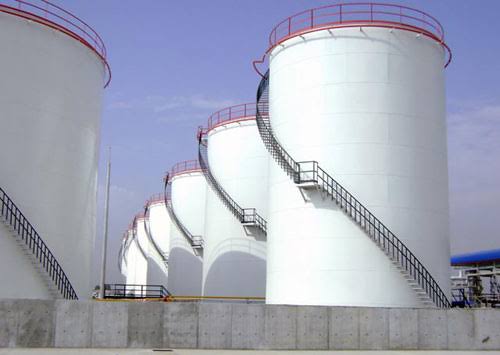
Storage and product-handling services can offer a revenue stream that is not entirely dependent on crude-processing volumes.
Petroleum traders and bulk distributors need infrastructure through which products can be received, held and transferred to other facilities or transport systems.
For TOR, greater use of its facilities could help generate commercial income while its core refining operations continue to be restored and upgraded.
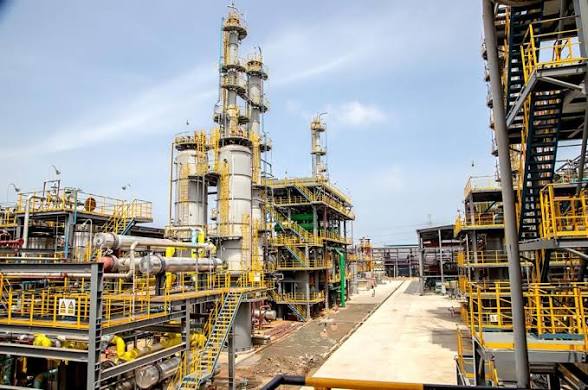
The refinery’s recovery has already involved efforts to improve logistics and operational support. In his presentation, Kombat said management had procured operational vehicles and staff buses, strengthened access control and installed CCTV systems to improve security at the facility.
Such changes matter because the commercial value of refinery infrastructure depends on more than its physical existence. Facilities must be secure, accessible and supported by the systems required to manage products and transactions reliably.
Greater activity could also strengthen TOR’s relationships with petroleum service providers, suppliers and customers. However, the existence of additional activity does not automatically establish that it is profitable.
Storage-related revenue must be assessed against the costs of handling products, maintaining infrastructure, managing losses and meeting safety requirements.
The refinery therefore needs to distinguish growth in activity from growth in net earnings.
What Do The Storage Figures Actually Measure?
One important issue for public accountability is the definition of the reported figures.
Kombat described the numbers as storage volumes measured in metric tonnes. That wording should not automatically be interpreted as an increase in the refinery’s physical tank capacity.
A facility’s storage capacity refers to how much product its tanks can hold at a given time, while volumes handled over a period may reflect the cumulative quantity received, held or transferred.

The distinction is essential. If the figures measure annual product handling or storage throughput, an increase could indicate more intensive use of existing infrastructure.
If they refer to the physical amount held at a particular point in time, a different explanation would be required.
Management should clarify the measurement period, the facilities covered and whether the figures represent products handled, stored at a given time or another operational indicator. It should also explain how the data are collected and reconciled.
This would allow the public to assess the reported increase without confusing greater utilisation of existing tanks with the construction or acquisition of additional storage infrastructure.
The difference is relevant to investment decisions. Higher throughput may support revenue without requiring the same capital expenditure as expanding physical capacity, although additional use can still increase maintenance and operating costs.
Storage Growth Needs A Financial Breakdown
The next question is whether the reported increase has translated into meaningful revenue and cash flow.
A refinery can handle greater volumes without necessarily improving profitability if its fees are too low, operating costs rise sharply or customers delay payment.
The value of storage services therefore depends on the commercial terms attached to each transaction and the efficiency with which the facilities are managed.
TOR’s management has said it pursued outstanding receivables and strengthened financial controls as part of its recovery programme. Those reforms should help establish whether additional commercial activity is generating cash that can be used to support operations.
Public reporting would be more informative if it separated revenue from crude refining, product storage, handling and other services. It could then show which activities are contributing most to the company’s financial recovery and where further operational improvements may be required.
Such disclosure would also help determine whether storage services can remain a reliable source of income while the refinery works to raise crude-processing rates and restore other critical units.
Infrastructure Is Valuable Only When It Is Used Efficiently
The storage figures also connect TOR to a wider question about Ghana’s petroleum logistics system.
Storage infrastructure can improve the flexibility of supply by allowing products to be held before distribution. Its contribution to energy security, however, depends on the quantity and type of products available, their location, the reliability of transport links and the ability to move supplies to where they are needed.
The commercial and strategic value of a storage facility is therefore not measured solely by the volume it handles.

It also depends on whether the facility improves supply reliability, reduces avoidable logistical costs and provides a dependable service to customers.
For TOR, this means ensuring that commercial growth does not come at the expense of maintenance, product accountability or safety.
Higher volumes can increase the importance of inventory reconciliation, accurate measurement, access control and transparent contractual arrangements.
Management’s account of improvements to security systems is relevant in this respect.
Better monitoring and product-accountability procedures can help protect both the refinery and its customers, although their effectiveness should be demonstrated through reliable operating records and controls.
The Next Test Is Commercial Value
The reported rise in storage volumes provides an indication that TOR’s wider commercial activities may be recovering. It does not, on its own, establish how much additional profit those activities have generated or whether they can offset the costs of operating and rehabilitating the refinery.
The company’s next step should be to provide clearer information on the nature of the storage metric, revenue earned, operating costs and the contribution of storage services to its overall financial performance.
That information would allow stakeholders to judge whether storage is becoming a durable commercial pillar or simply a measure of increased activity during the refinery’s recovery.
TOR’s future depends partly on restoring crude processing, but its infrastructure may have value across a broader range of downstream services.
The challenge is to turn that infrastructure into dependable earnings while maintaining the reliability and transparency expected of a strategic state-owned enterprise.
The real measure of progress will not be the increase in reported volumes alone. It will be whether TOR can demonstrate that its facilities are being used more efficiently, that customers are paying for the services provided and that the resulting income helps sustain the refinery without creating new financial or operational risks.
READ ALSO: Downing Street Clarifies Government’s Position on EU Freedom of Movement