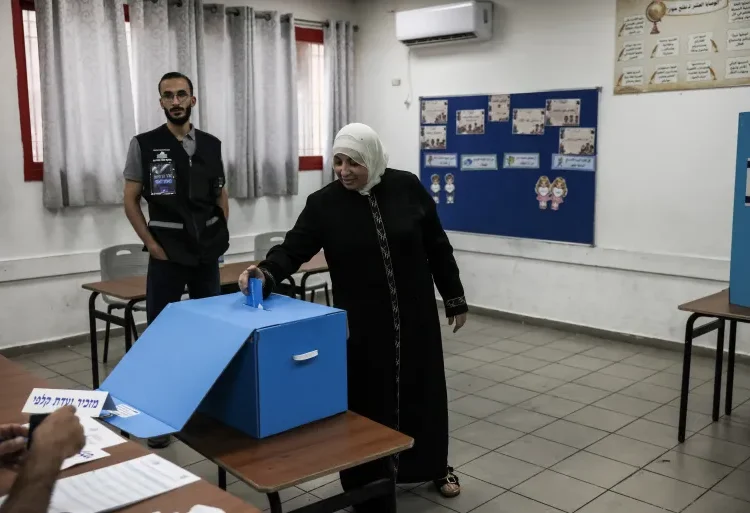
Polling stations have opened across Israel as voters elect the 26th Knesset in the first general election since the October 2023 attacks and the subsequent wars involving Palestinians in Gaza, Lebanon and Iran.
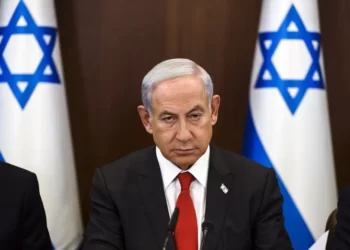
Prime Minister Benjamin Netanyahu, Israel’s longest-serving leader with 19 years in office, is seeking another term while standing trial on corruption charges. His Likud party and the far-right coalition it leads face a closely contested race against a Jewish-led opposition bloc.
The opposition bloc comprises four Jewish-led political movements: the Yashar party, the Democrats, Yisrael Beiteinu and the Together alliance.
Neither side appeared likely to secure an outright majority in the 120-seat parliament, according to opinion polls conducted before a gag order took effect on Friday.
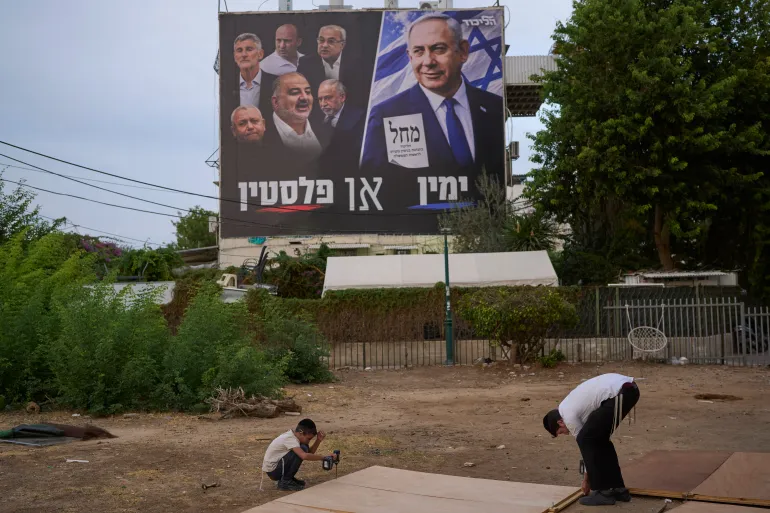
The election comes amid widespread debate over the government’s handling of security, military service exemptions, judicial reform and economic pressures. These issues have shaped the political contest as voters consider the country’s direction after years of conflict and domestic division.
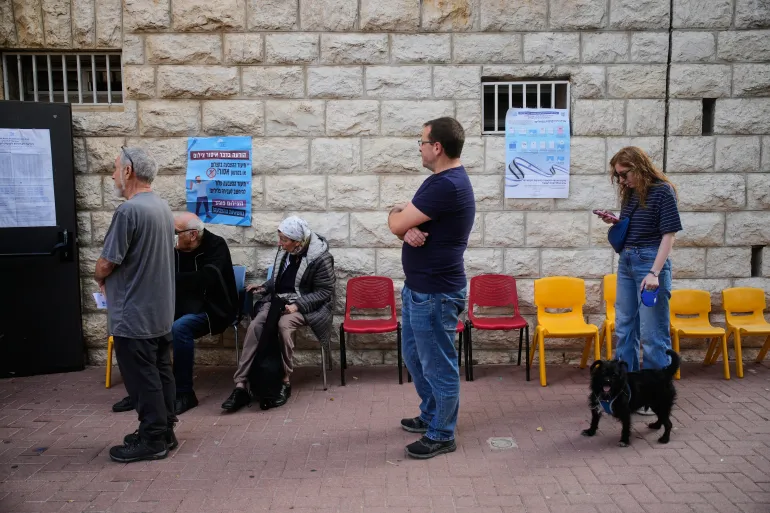
According to Israel’s Central Elections Committee, approximately 7.3 million people aged 18 and above are eligible to vote. Most polling stations are scheduled to operate from 7am to 10pm, with voters still waiting in queues at closing time entitled to cast their ballots. Election day is a national holiday.
Coalition Politics Make Majority Uncertain
Israel’s proportional electoral system makes it difficult for any single party to secure enough seats to govern independently.
Voters choose a political party rather than an individual candidate. Parties must receive at least 3.25 per cent of the national vote to enter the Knesset, which serves a four-year term.
The 120 parliamentary seats are distributed proportionally according to each party’s share of the vote. A party that wins approximately 30 per cent of the vote, for example, receives roughly 30 per cent of the seats.
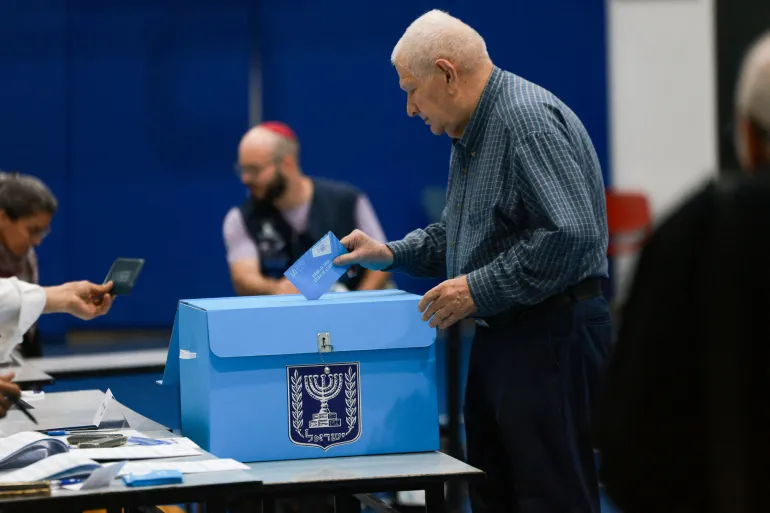
However, votes cast for parties that fail to cross the 3.25 per cent electoral threshold are excluded from the allocation, encouraging smaller political groups to merge or form alliances before elections.
To form a government, a political bloc must command the support of at least 61 members of parliament. No party has ever won an outright majority on its own, making coalition negotiations central to Israeli politics.
Finishing first in the election does not automatically guarantee power. After the results, parties have 28 days to assemble a coalition capable of securing a parliamentary majority, with a possible extension of up to 14 days.
If no party succeeds in forming a government within the permitted period, another election may be required.
The close contest between Netanyahu’s coalition and the opposition therefore leaves the composition of the next government uncertain, even after voters have chosen their preferred parties.
October 7 Security Failures Dominate Debate
The government’s handling of the October 7, 2023 attacks remains a major issue in the election.
The Hamas-led assault killed approximately 1,200 people and resulted in about 250 others being taken captive, according to the figures provided. Israel subsequently launched its military campaign in Gaza, which has killed at least 74,000 Palestinians and left much of the besieged territory in ruins.
Three years after the attacks, the government has yet to establish a state commission of inquiry into the security failures surrounding October 7. The absence of such an investigation remains a point of contention as voters assess the government’s responsibility for the events and its response to the ensuing conflict.
Security concerns also extend beyond Gaza. Netanyahu previously promised “total victory” over Hamas and Hezbollah, but both groups remain operational, according to the supplied information.
While many Israelis want greater stability, the electorate remains divided over potential concessions involving Gaza, the occupied West Bank and Lebanon.
The debate places security policy in the campaign, with voters weighing the government’s military approach against questions about the prospects for lasting stability.
Military Exemptions, Judicial Reform And Living Costs
Beyond security, the election is being shaped by disagreements over military service exemptions for ultra-Orthodox Jewish men.
Supporters argue that exemptions protect full-time Torah study and preserve religious traditions. Critics, however, contend that the arrangements place an unfair military burden on other Israelis, making the issue a significant source of domestic tension.
Judicial reform is another longstanding point of division. Netanyahu’s efforts to reduce the Supreme Court’s powers prompted mass protests before the war in Gaza. Opponents view the proposed changes as a threat to democratic institutions, while supporters argue that the judiciary has exceeded its authority.
The dispute has intensified broader disagreements over the balance of power between Israel’s government, parliament and courts.
Economic pressures are also weighing on voters. Rising prices and relatively modest wages have been compounded by increased defence expenditure since 2023.
Israel’s defence budget has doubled over that period, according to the supplied information, increasing pressure on public finances as the country continues to manage the consequences of regional conflicts.
The combination of security concerns, economic strain and disagreements over governance presents a complex challenge for the next administration.
With neither major bloc appearing poised to win an outright parliamentary majority, the election is likely to be followed by difficult coalition negotiations. The outcome will determine not only who governs Israel but also how its leadership addresses unresolved security questions, domestic divisions and mounting economic pressures.
READ ALSO: White House Hails Trump’s Push To Rebuild Industry