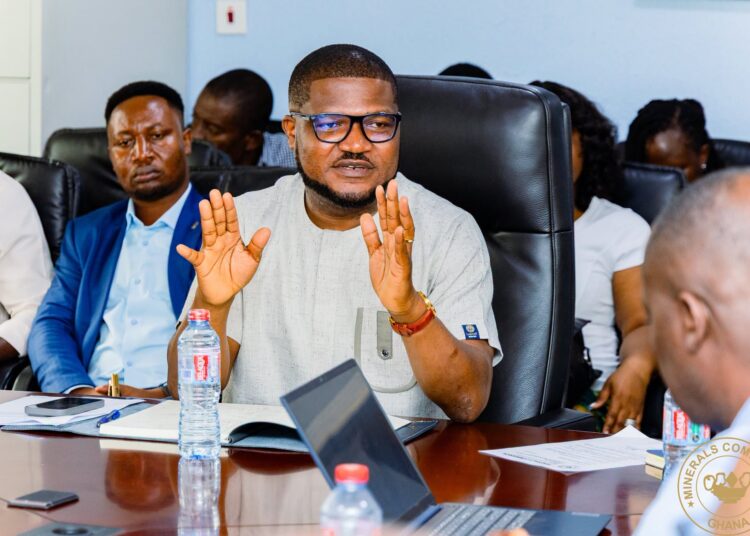
Hon. Thoko Tembo, Malawi’s Minister of Mining, led a high-level ministerial delegation to Accra for a pivotal South-South Learning Exchange Programme on Mining and Mineral Sector Development.
The bilateral engagement, facilitated by UNDP Malawi in collaboration with UNDP Ghana and the Government of Malawi, formally opened with a strategic courtesy call on Ghana’s Minister for Lands and Natural Resources, Hon. Emmanuel Armah-Kofi Buah (MP), and the leadership of the Minerals Commission.
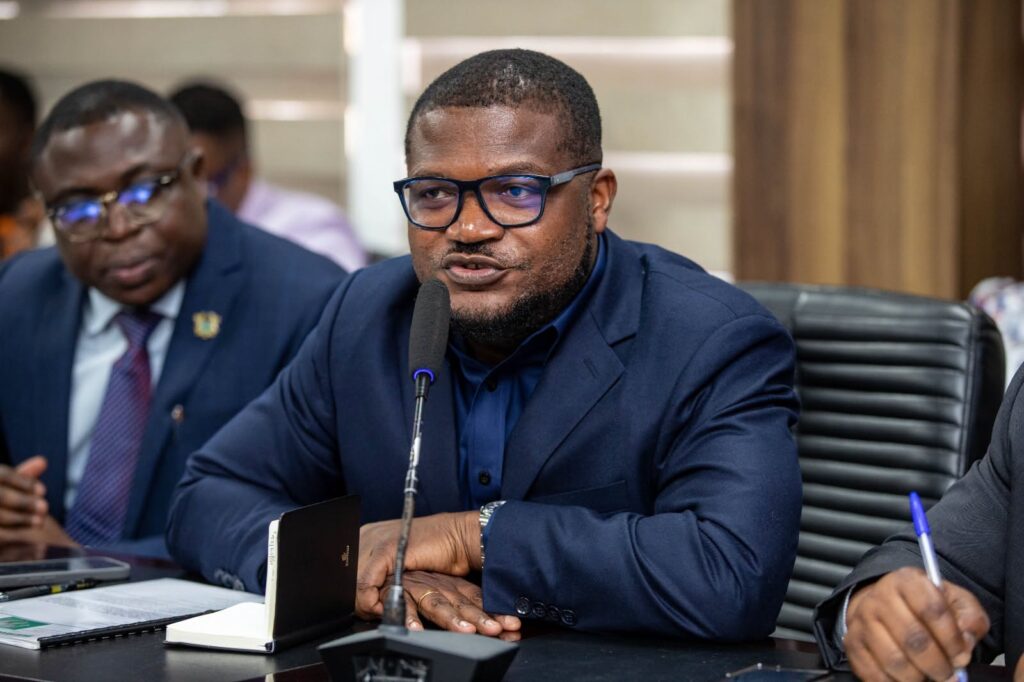
“In his presentation, Mr. Tandoh explained how the Commission’s vigilance and efficient regulatory framework have helped transform the small-scale mining sector to become extremely productive, even outperforming the large-scale sector that the country had depended on for many years.”
Minerals Commission
During the high-level dialogue, Hon. Armah-Kofi Buah provided a comprehensive briefing detailing Ghana’s mining sector governance, legal frameworks, and long-term policy direction.
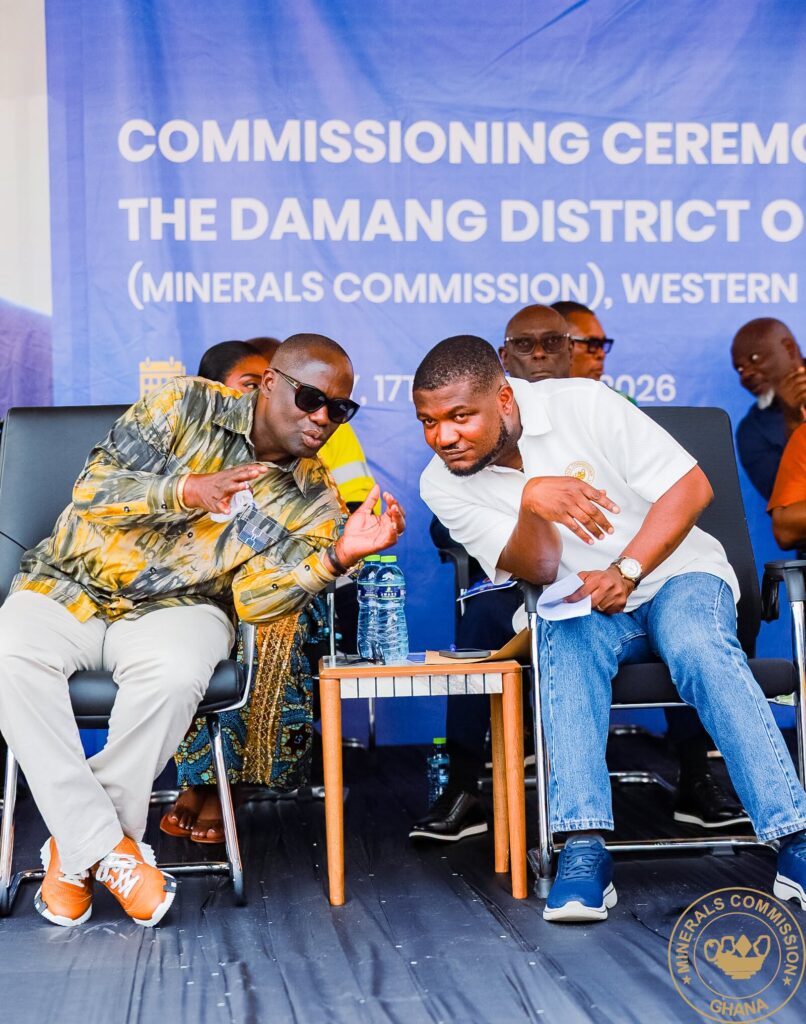
Building on this strategic foundation, the Chief Executive Officer of the Minerals Commission, Mr. Isaac Tandoh, outlined the statutory mandate of the Commission as a principal regulatory authority and highlighted its transformative impact on Ghana’s mineral resource extraction.
Strategic Imperative of South-South Bilateral Collaboration
The institutional cooperation between Ghana and Malawi addresses a critical structural need within Africa’s extractive landscape.
Historically, resource-rich African economies have operated in regulatory silos, often adopting disparate policy frameworks that fail to optimize domestic value addition, localized supply chains, and equitable royalty regimes.
By institutionalizing South-South knowledge exchanges, developing nations leverage peer-to-peer technical assistance to mitigate early-stage regulatory pitfalls, streamline licensing mechanisms, and foster intra-African solidarity in natural resource management.
Furthermore, bilateral knowledge transfers accelerate institutional capacity building without forcing emerging producers to rely exclusively on Western or foreign advisory models.
For Malawi, a nation actively seeking to expand and diversify its extractive sector, tapping directly into Ghana’s century-old mining history provides a practical, adaptable template.
On his part, the Minister of Mining for Malawi acknowledged and praised the Minerals Commission for its pivotal role in mineral development and governance in Ghana, and expressed his country’s willingness to learn from Ghana’s rich experience.
Transforming Small-Scale Mining and Sector Governance
Ghana’s regulatory architecture offers crucial insights for emerging mineral economies, particularly regarding the formalization of artisanal and small-scale mining (ASM).
For decades, large-scale industrial gold production dominated regional revenue narratives; however, deliberate policy interventions, heightened enforcement, and streamlined licensing frameworks implemented by the Minerals Commission transformed small-scale operations into a primary economic driver.
This operational shift demonstrated that effective regulatory oversight can convert informal extraction into a high-yielding, formal contributor to national gold output and local livelihood generation.
Replicating these legal and operational structures requires robust institutional vigilance, continuous monitoring, and decentralized governance tools.
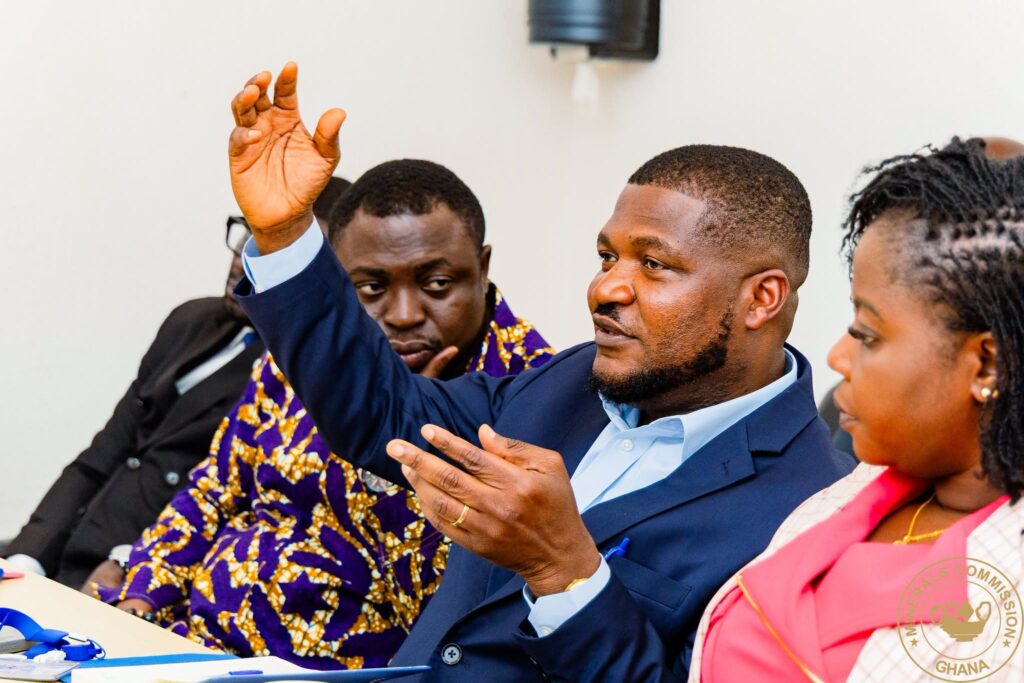
Through structured dialogue, Ghanaian regulators shared operational methodologies on satellite tracking of mining equipment, environmental compliance enforcement, and local community engagement strategies designed to curb illegal mining activities while safeguarding small-holder production efficiency.
Sustainable Resource Management and Future Extractive Horizons
Beyond immediate production gains, the exchange emphasizes long-term sustainability, environmental stewardship, and equitable wealth distribution.
The integration of multilateral partners like the United Nations Development Programme ensures that environmental governance, climate resilience, and community-level social protections remain central to policy formulation across both jurisdictions.

Adopting standardized regulatory baselines enables participating states to negotiate equitable mining leases and guard against tax avoidance practices.
As the global demand for critical minerals intensifies, joint regulatory alignment positions participating African nations to maximize value retention within domestic borders.
The strategic partnership between Ghana and Malawi serves as an actionable framework for cross-border cooperation.
Ultimately, the visit underscores the deepening cooperation between Ghana and Malawi in harnessing mineral resources for sustainable national development.
READ ALSO: Ghana Leads 26 Nations on Trade Convention