Ghana’s rapidly expanding cities could hold the key to unlocking a new wave of economic growth, private investment and employment, as the World Bank warns that Africa’s urban transformation presents an enormous opportunity that governments can no longer afford to overlook.
With millions of people moving into urban areas in search of jobs, education and better living conditions, Ghana faces an important economic opportunity. Its growing cities could become powerful centres of industrial activity, commercial expansion and innovation, but only if urbanisation is deliberately linked to national development priorities.
In its latest report, Sub-Saharan Africa’s Urban Awakening: Catalyzing Economic Growth and Job Creation, the World Bank projects that Sub-Saharan Africa will add 748 million urban residents between 2025 and 2050.
The projection places considerable pressure on African governments to rethink how they plan cities, finance infrastructure and create economic opportunities for their growing populations.
The Bank argues that urbanisation should not be treated merely as a population trend but as a deliberate economic strategy capable of strengthening productivity, attracting private capital and creating formal employment.
“Sub-Saharan Africa’s urban transition can transform the region’s jobs market,” said Paschal Donohoe, World Bank Group Managing Director and Chief Knowledge Officer.
“With the right investments and reforms in infrastructure, land, connectivity and financing, cities can attract private capital, boost productivity, and create the formal jobs that millions of young Africans are looking for.”
Paschal Donohoe
Ghana’s Urban Growth Presents a Major Economic Opportunity
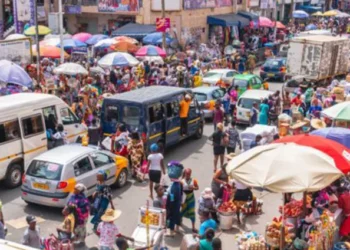
Ghana’s urban centres, particularly Accra, Kumasi, Takoradi and Tamale, are increasingly important to the country’s economic activities. Their expanding populations create growing markets for goods and services while offering businesses access to workers, consumers and commercial networks.
However, population growth alone cannot guarantee economic prosperity.
The World Bank explains that cities become productive when businesses can operate efficiently, workers can access employment without excessive transportation costs and investors have confidence in the availability of infrastructure and predictable regulations.
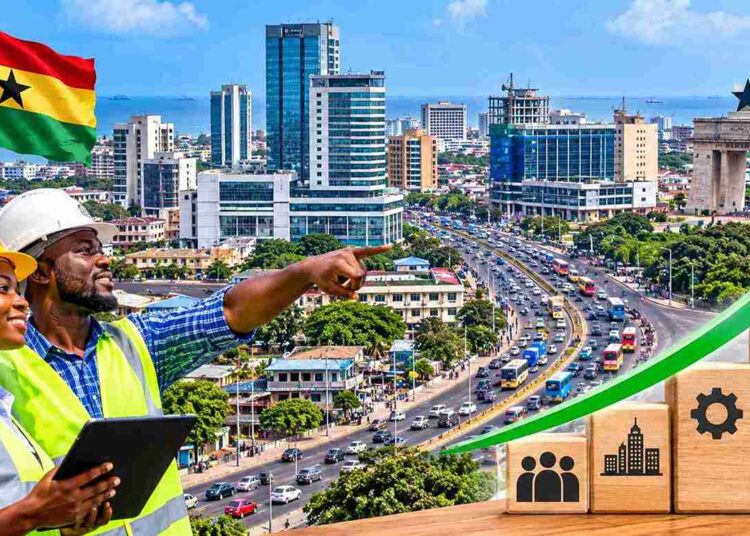
This presents an important consideration for Ghana’s economic transformation agenda, particularly as the country seeks to expand industrial production, strengthen private sector participation and create sustainable employment for its youthful population.
The report highlights that urban households already enjoy stronger economic prospects than their rural counterparts. Urban households spend considerably more per adult than equally educated rural households, reflecting the economic advantages associated with access to more productive and better-paying employment.
Ghana could strengthen these advantages by creating urban centres where manufacturing, technology, logistics, financial services and other commercial activities can thrive.
Poor Infrastructure Could Undermine Ghana’s Urban Dividend
Despite the opportunities, the World Bank warns that poorly managed urbanisation could become an expensive economic burden.
Congestion, inadequate housing, unreliable infrastructure, insecure land rights and weak transportation systems can undermine the productivity benefits that cities are expected to deliver.
Ghana is already familiar with several of these challenges. Traffic congestion, pressure on housing, inadequate drainage systems and the rapid expansion of settlements around major cities continue to complicate urban development.
These challenges have direct economic consequences.
Workers who spend several hours commuting lose valuable productive time, while businesses face higher operating costs when transportation networks and essential services become unreliable.
The situation also discourages investment in locations where businesses cannot secure serviced land or obtain dependable infrastructure.
The World Bank is therefore advocating an integrated approach to urban development that brings housing, transportation, land use and economic planning together.
Major cities need accessible employment centres supported by affordable housing, reliable transport and essential services. Such arrangements would allow workers to live closer to their workplaces while helping businesses reduce operational costs.
Smaller Towns Could Become Ghana’s Next Economic Growth Centres
Beyond the major metropolitan areas, Ghana’s smaller towns could also play a significant role in expanding economic opportunities.
The World Bank identifies more than 15,000 towns across Sub-Saharan Africa that are frequently overlooked in national development strategies.
Rather than distributing limited public resources equally across every settlement, the Bank recommends prioritising towns with strong economic and geographical potential.
These include communities located along important transport corridors or close to agricultural, industrial and commercial activities.
The recommendation carries significant implications for Ghana, where strategically located towns could support agricultural processing, manufacturing, warehousing and logistics.
Strengthening infrastructure in such locations could improve connections between rural production centres and larger urban markets.
This would help farmers access commercial opportunities, reduce transportation bottlenecks and encourage businesses to establish operations outside the country’s largest cities.
It could also ease pressure on Accra and Kumasi by creating additional economic centres capable of supporting employment and commercial activity.
Local Government Financing Could Determine the Outcome
One of the biggest obstacles to productive urbanisation is the limited financial capacity of local authorities.
The World Bank argues that many African local governments have extensive development responsibilities but lack sufficient financial independence to provide the infrastructure and services required to support growing populations.
Weak property records, outdated valuation systems and low revenue collection rates prevent municipalities from mobilising adequate resources.
The Bank recommends using affordable technology to modernise property-tax systems, strengthen local revenue mobilisation and improve the financial position of urban authorities.
Stronger municipal finances could also improve creditworthiness and make cities more attractive to private investors.
Public-private partnerships could provide additional financing for strategically important infrastructure projects, although transparent procurement, accountable institutions and credible revenue models would remain essential.
“Africa’s urban transformation will deliver on its promise only if cities have the institutions and resources to manage growth effectively,” said Mark Roberts, World Bank Senior Urban Economist and co-author of the report.
“Stronger urban governance, more predictable financing, and greater accountability are essential to turn rapid urbanisation into better infrastructure, more investment, and ultimately more and better jobs.”
Mark Robert
Ghana Must Connect Urbanisation to Its Economic Transformation Agenda
The expanding urban population presents Ghana with an opportunity to address some of its most persistent economic challenges, particularly unemployment, weak industrial capacity and uneven regional development.
However, capturing these benefits will require more than constructing roads, residential buildings and commercial facilities.
Government must ensure that urban development supports productive economic activities and connects people to meaningful employment opportunities.
Strategic investments in transportation, affordable housing, drainage, sanitation, industrial infrastructure and reliable public services could improve the attractiveness of Ghanaian cities as investment destinations.
The country’s ability to coordinate land administration, local government financing and private sector participation will also influence how much economic value can be extracted from urban expansion.
As Africa prepares to accommodate hundreds of millions of additional urban residents, Ghana has an opportunity to turn its growing cities into engines of productivity, investment and job creation.
The alternative is an increasingly expensive urban crisis characterised by congestion, unemployment, inadequate infrastructure and mounting pressure on public finances.
Ghana’s cities are growing. The economic priority now is to ensure that their expansion creates wealth, attracts investment and provides the employment opportunities needed to sustain the country’s long-term development.
READ ALSO: GSE Ends Week Stronger as Market Records GH¢8.6 Million in Trades