Ghana has intensified efforts to strengthen its regional trade relations, with Trade, Agribusiness and Industry Minister Elizabeth Ofosu-Adjare seeking stronger economic cooperation with Niger, Burkina Faso and Mali to improve cross-border commerce and unlock investment opportunities across West Africa.
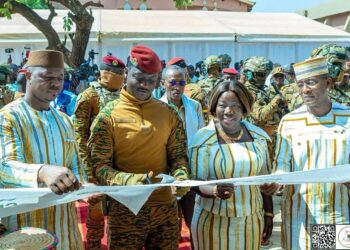
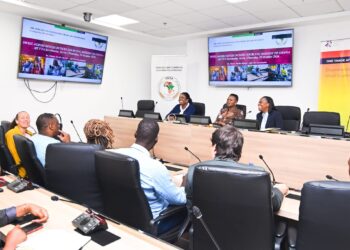
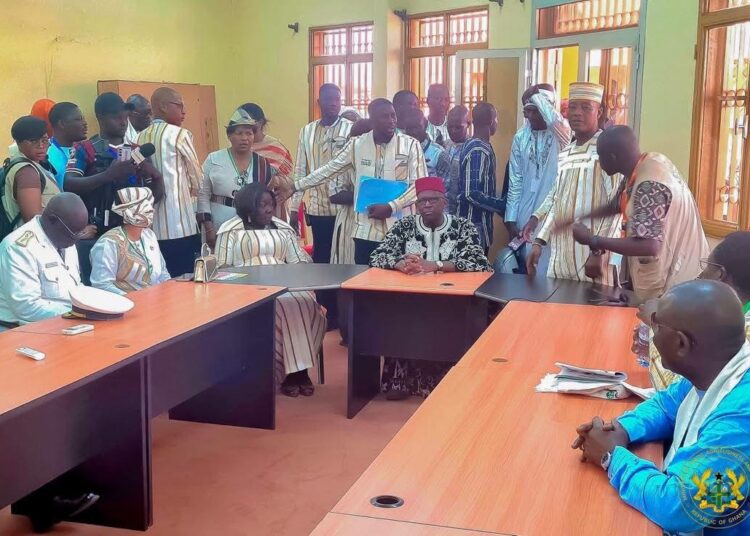
The Minister held discussions with her counterparts from the three Alliance of Sahel States (AES) member countries on the sidelines of the 18th International Arts and Crafts Fair of Ouagadougou (SIAO 2026) in Burkina Faso.
The engagement focused on addressing persistent trade restrictions, improving economic partnerships and identifying practical measures to expand commercial relations between the countries.
“Non-Tariff Barriers are a challenge to us, so let’s work on our standards and develop bilateral relations to make trade in the sub region and Africa stronger.”
Minister for Trade, Hon. Elizabeth Ofosu-Adjare
The meeting forms part of Ghana’s broader efforts to strengthen regional economic integration by building stronger relationships with neighbouring and strategically important African markets.
The Discussions also examined how financing arrangements, resource mobilisation and strategic partnerships could support shared development priorities and create opportunities for businesses operating across national borders.
Removing Barriers to Regional Commerce
A major concern emerging from the ministerial engagement was the persistence of non-tariff barriers, which continue to complicate the movement of goods and services across African markets.
These barriers include inconsistent product standards, complicated customs procedures, administrative delays, differing regulatory requirements and restrictions that increase the cost of doing business between countries.
Although the African Continental Free Trade Area (AfCFTA) provides a framework for establishing a single continental market, its success depends considerably on how effectively member states implement agreed trade rules and eliminate obstacles that undermine cross border commerce.
The report highlights the importance of regulatory cooperation and harmonised standards in reducing the cost of trading across African borders.
“Removing non-tariff barriers and improving regulatory cooperation are essential to unlocking the full benefits of the African Continental Free Trade Area.”
Minister for Trade, Hon. Elizabeth Ofosu-Adjare
The importance of this cooperation is particularly evident in Ghana’s commercial relationship with Burkina Faso.
Ghanaian trade reporting indicates that formal merchandise trade between the two countries exceeded US$1 billion in 2025, demonstrating the economic significance of maintaining efficient trade corridors.
Financing, Standards and Strategic Partnerships
Beyond removing trade restrictions, the discussions placed considerable emphasis on financing, resource mobilisation and strategic partnerships as instruments for strengthening economic cooperation.
Hon. Ofosu-Adjare encouraged the participating countries to adopt a forward-looking approach that moves regional integration beyond political commitments towards practical economic arrangements capable of supporting production, investment and industrial development.
The discussions involved Mali’s Minister responsible for Crafts, Mamou Daffé, and Burkina Faso’s Minister for Industry, Commerce and Crafts, Serge Gnaniodem Poda.
The participating ministers acknowledged that time constraints and existing institutional challenges could affect the pace of cooperation but maintained that sustained engagement and collective action would be necessary to address them.
Financing remains particularly important for businesses operating in agriculture, manufacturing and artisanal production, where limited access to capital can prevent producers from increasing output, improving product quality and meeting international market requirements.
The SIAO 2026 provides an important commercial platform for addressing some of these challenges.
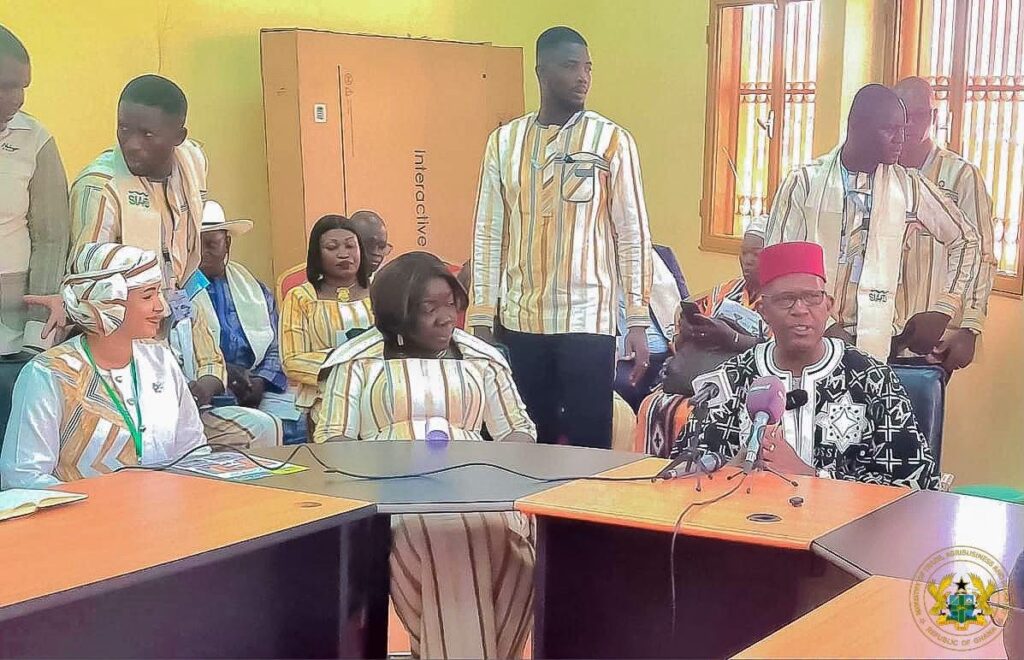
The ceremony, running from October 30 to November 8 in Ouagadougou, the 18th edition is being held under the theme of strengthening the relationship between African craftsmanship and industrialisation through better organisation and the promotion of locally produced goods.
The event is expected to attract more than 6,000 exhibitors, over 100 professional buyers and approximately 800,000 visitors, creating opportunities for commercial networking, investment discussions and partnerships among participating countries.
“African craftsmanship and industrialisation must work together to improve the organisation and value of locally produced goods.”
SIAO 2026 Official
The fair’s focus on transforming traditional production into commercially competitive industries also complements Ghana’s ambition to expand value addition and strengthen the participation of local enterprises in regional and international markets.
Turning Commitments into Economic Outcomes
The Trade Minister stressed that the effectiveness of regional cooperation would ultimately depend on the ability of participating governments to translate discussions into measurable economic results.
This requires more than diplomatic engagements. It calls for coordinated policies, functional trade facilitation systems, stronger institutional relationships and practical mechanisms that enable businesses to access markets without unnecessary regulatory and administrative difficulties.
The AfCFTA offers an important framework for advancing this objective. With 54 African Union member states having signed the agreement and a continental market covering approximately 1.4 billion people, its potential economic benefits depend on effective implementation at national and regional levels.
For the countries involved in the discussions, strengthening bilateral and regional arrangements could complement continental trade commitments while addressing challenges specific to their commercial relationships.
The ministers’ recognition of existing cooperation constraints also underscores the need for regular consultations, technical exchanges and coordinated implementation strategies to ensure that agreed priorities are sustained beyond individual meetings.
“The priority is to translate discussions and commitments into tangible outcomes that deliver meaningful economic benefits to our respective countries.”
Minister for Trade, Hon. Elizabeth Ofosu-Adjare
Ghana’s engagement with the three AES countries reflects the growing importance of regional partnerships in advancing African industrialisation, improving market access and strengthening economic resilience.
READ ALSO:Manchester United Match 40-Year Unwanted Record After Chelsea Defeat