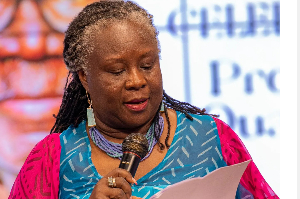
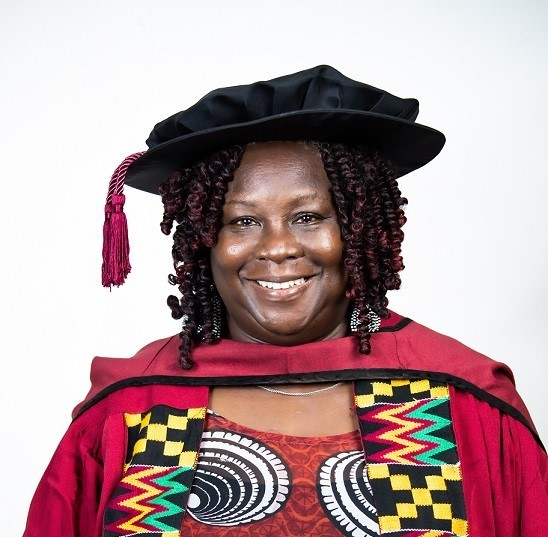
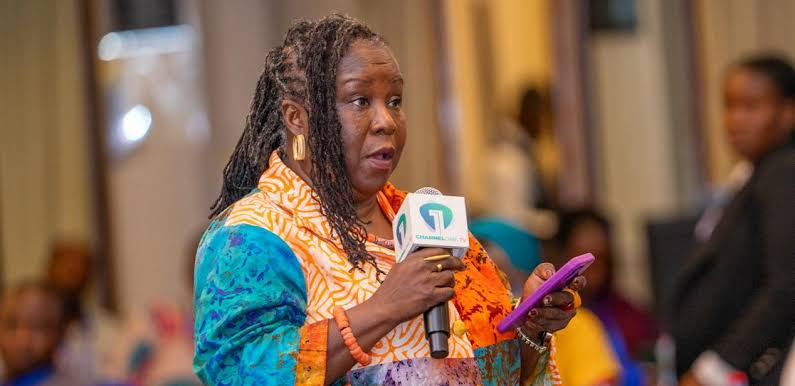
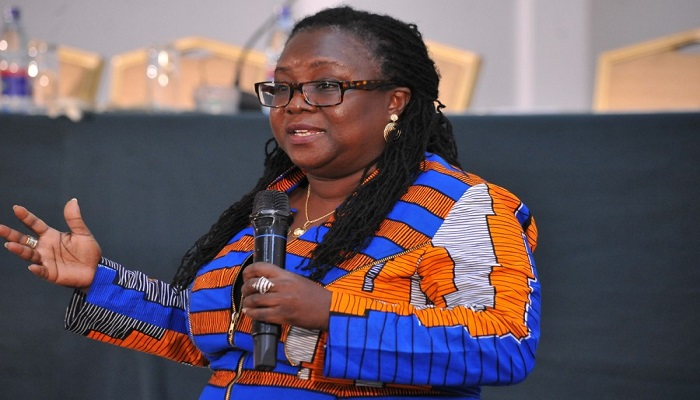
University of Ghana communication scholar Professor Audrey Gadzekpo has called for better pay and stronger employment protections for journalists, warning that poor wages, delayed salaries and insecure working conditions threaten journalism’s quality and its contribution to Ghana’s democracy.
Speaking on the need to enforce journalists’ welfare beyond the Ghana Journalists Association’s minimum wage proposal, the Department of Communication Studies academic argued that the industry must address conditions of service alongside pay, while confronting the financial weaknesses of media organisations.
“Journalists cannot be expected to uphold professional standards and deliver quality public-interest journalism when their salaries are delayed, employment contracts are uncertain and basic working conditions remain inadequate.”
Prof. Audrey Gadzekpo, University of Ghana communication DEPT.
Professor Gadzekpo stated that journalists’ welfare extends beyond the amount they receive each month, pointing to delayed payments, unclear employment terms and limited prospects for promotion. Some workers, she disclosed, go for months without salaries, while others receive stipends or less than GH¢1,000.
She raised concerns about journalists working without formal contracts, leaving them without guaranteed job security. Increasingly, some are engaged on a non-full-time basis, effectively working as contract staff without permanent employment or reliable income.
GJA Minimum Wage Debate Must Consider Living Costs
The situation, she explained, forces journalists to seek other sources of income to make up for inadequate pay, a practice she believes some media organisations expect.
While supporting efforts by the Ghana Journalists Association to establish a minimum wage, Professor Gadzekpo argued that the amount should reflect the professional standing and living needs of journalists.
She questioned how university graduates, including those with master’s degrees, could be paid what she described as abysmal wages while working in a profession central to public accountability.
“A mid-level journalist should also be paid according to an established scale,” She urged the industry to consider a living wage that enables journalists to maintain dignity.
She proposed a structured salary scale, with specified rates for entry-level and mid-level journalists, instead of allowing employers to determine pay without clear standards.
Media Houses’ Financial Difficulties Affect Welfare
Professor Gadzekpo acknowledged that media organisations operate under serious financial constraints but maintained that the difficulties of running a business should not excuse poor treatment of employees.
She pointed to a crowded media landscape, with numerous radio and television stations competing for limited advertising revenue in a relatively small market. The available income, she explained, is insufficient to sustain the operations of many outlets.
She cited pressures arising from the digital age and competition from major technology companies, which have created further challenges for traditional media businesses.
“You do not set up a business if you do not have the money to pay your workers,”,Professor Gadzekpo questioned the decision to establish media businesses without sufficient resources to pay workers.
Journalists’ Welfare Has Wider Democratic Consequences
The academic warned that poor working conditions could affect the quality of journalism, the stories reporters pursue and the profession’s ability to support democratic accountability.
“The point is that when we talk about a minimum wage, what we are actually talking about is a living wage. You need to be paid enough to live in dignity.”
Prof. Audrey Gadzekpo, University of Ghana communication DEPT.
She recalled the media’s constitutional role as the fourth estate, expected to hold the other three arms of government accountable. That responsibility, she argued, requires journalists to work under conditions that allow them to perform their duties effectively and independently.
Professor Gadzekpo stressed that the debate over remuneration must consider how poor pay could weaken the media’s scrutiny of Parliament and other public institutions.
Welfare Must Extend Beyond Monthly Salaries
Professor Gadzekpo urged stakeholders to widen the discussion to include healthcare, annual leave, maternity leave and the conditions attached to maternity benefits. She noted that these protections form part of workers’ welfare and deserve attention just as they do in other sectors, including health.
She maintained that a meaningful framework for journalists’ welfare should address salary levels, timely payment, employment security and broader conditions of service.
While the financial pressures on media houses remain significant, she argued that those challenges should not erase employers’ responsibility to provide fair working conditions.
The call for better remuneration, therefore, goes beyond setting a minimum figure. It raises questions about whether journalists can earn a living wage, work with security and fulfil the constitutional responsibility expected of the media in Ghana’s democracy.
READ MORE: GTEC Warns Universities Against Excessive PhD Student Enrolment