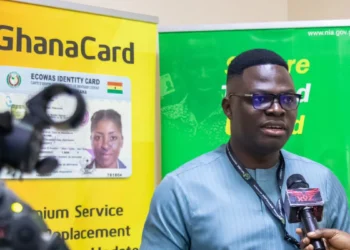
Communications, Digital Technology and Innovation Minister Samuel Nartey George has called for sensitive data to be hosted on secure, sovereign infrastructure, stressing that Ghana’s virtual asset ecosystem must rest on regulation, trusted identity systems and cybersecurity safeguards.
Speaking at the Africa Virtual Asset Summit (AVAS) 2026, the Ningo-Prampram MP outlined Ghana’s approach under the Virtual Asset Service Providers Act, 2025 (Act 1154). He maintained that regulation should protect citizens and build confidence without stifling innovation.
“Innovation in government must be safe, it must be interoperable and it must be accountable to the citizens.”
Communications, Digital Technology and Innovation Minister Samuel Nartey George
Mr George referenced Parliament’s passage of Act 1154 in December 2025. He explained that blockchain, artificial intelligence and other emerging technologies must comply with standards established through the National Information Technology Agency, meet Cyber Security Authority requirements and respect the Data Protection Act.
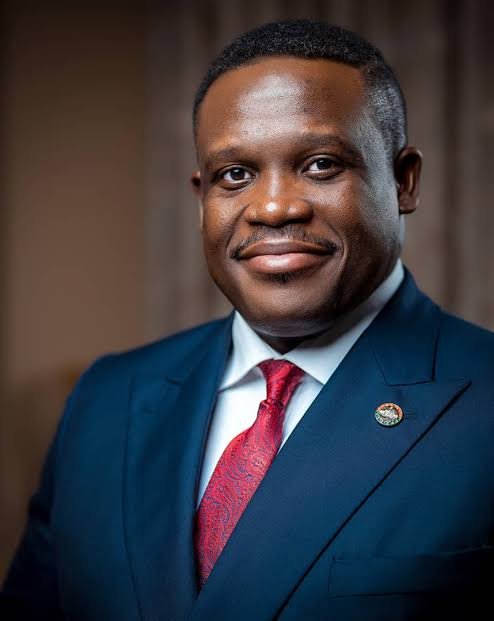
He stressed that regulation was not intended to slow innovation, but to ensure government digital systems are safe, interoperable and accountable to citizens.
“A token after all is only a record,” he noted, explaining that its value depends on the network carrying it, the identity of its holder and the institutions prepared to enforce the rules.
5G and Sovereign Cloud to Support Digital Infrastructure
The Minister identified infrastructure as the first requirement for a trusted virtual asset ecosystem, linking the government’s plans to President John Dramani Mahama’s Reset Ghana Agenda.
He described 5G as an important foundation for blockchain and Web3 technologies, which depend on speed and reliable networks. Ghana is targeting 70 per cent population coverage by March 2027 as the country marks 70 years of independence.
Mr George disclosed that the National Communications Authority had received Cabinet clearance and approved the removal of the exclusive wholesale licence for 5G. He challenged African innovators to build for the new network rather than design for yesterday’s infrastructure.
He described 5G as changing speed, scale, reach, edge computing and provenance, positioning the rollout as an opportunity for African innovators to build services for the next generation of digital networks rather than design for yesterday’s network and infrastructure.
Work is also commencing on a national artificial intelligence compute centre, which he described as a sovereign AI-enabled nerve centre offering computing, storage and cloud services to government.

Through G-Cloud, Ghana’s national cloud platform, the government provides secure local hosting for government, financial and educational institutions.
Ghana Card to Strengthen Virtual Asset Identity Checks
The second pillar he outlined was identity verification. He argued that identity verification is vital in virtual asset markets, where value crosses borders within seconds.
Under Act 1154, licensed providers should verify customers against the national register held by the National Identification Authority through secure, consent-based and auditable systems
He described this as a shift from paper-based know-your-customer checks to biometric verification. However, he cautioned that identity checks must respect privacy. Providers should confirm that customers are who they claim to be, “nothing more, nothing less”.
Cybersecurity Essential to Building Market Trust
Mr George identified trust as the third requirement, warning that Ghana was not immune to cybercrime. Citing Cybersecurity Ventures projections, he noted that global cybercrime costs reached an estimated US$10.5 trillion by the end of 2025, up from US$3 trillion in 2015.
He also referenced the International Monetary Fund’s April 2024 Global Financial Stability Report, which found that one in five cyber incidents over two decades affected the financial sector. He cited a US$6.3 billion hit in Ghana the previous week and warned that attacks on the country’s financial sector occur daily.
The Minister described the Cyber Security Authority as central to protecting the ecosystem. Under Act 1038, it licenses cybersecurity service providers, supports critical information infrastructure across 13 sectors and works with law enforcement and international partners to disrupt fraud networks.
One Million Coders Programme to Build Local Expertise
He stressed the need for people equipped to develop and manage digital solutions. He pointed to the One Million Coders Programme, which has registered more than 140,000 Ghanaians, with over 10,000 completing training. Its target is 400,000 participants.
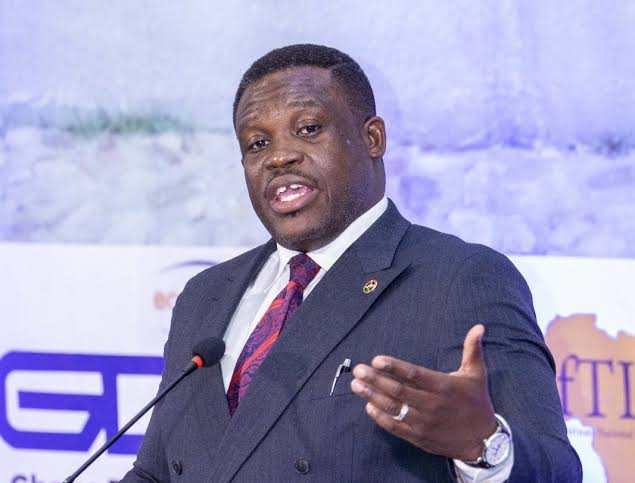
He disclosed that universities were making coding compulsory for final-year students to prepare them fo the world of work.
Through technology and innovation hubs, regulatory sandboxes and the African Continental Free Trade Area, Ghana is seeking to create a market for locally developed Web3 applications in trade finance, carbon credits and the creative sector.
“Our ambition is that these young Ghanaians will build here and stay here,” he stated, adding that Africa should export products rather than people.
Concluding his address, Mr George urged the continent to move “from digital dependence to digital determination”, pointing to Ghana’s legislation as a foundation for a trusted and inclusive African virtual asset industry.
READ MORE: CETAG, CENTSAG Suspend Strike Over Delayed Staff Migration