The Ghana Publishing Company Limited is facing an outstanding tax liability of GH¢22 million after an assessment by the Ghana Revenue Authority (GRA).
The Managing Director, Nana Kwesi Boaitey, ESQ, disclosed the liability at the Government Accountability Series, explaining that management became aware of the debt about a month earlier through a formal letter from the GRA. “The records show that the VAT for 2020 and 2024 were not paid by the company at all,” he revealed.
Mr Boaitey acknowledged that the company is yet to overcome all its financial difficulties, identifying the outstanding tax obligation as an additional burden confronting management while it works to restore the institution’s financial position. He explained that negotiations are underway with the GRA to determine how the GH¢22 million liability would be settled.
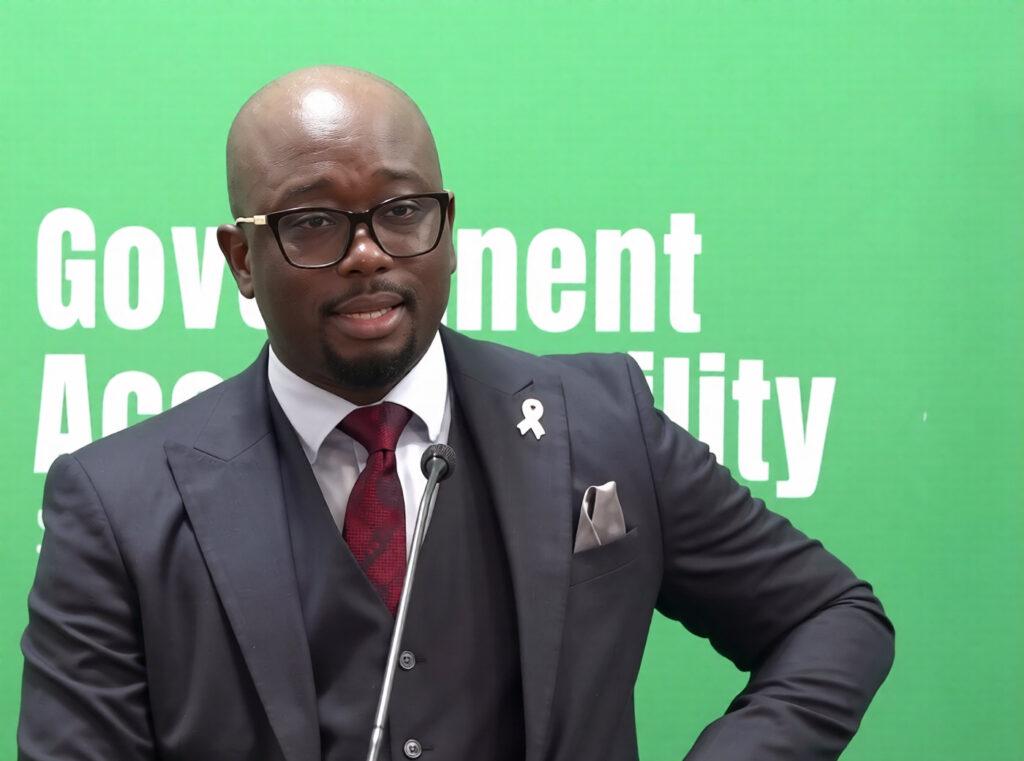
The Managing Director further characterised the debt as one of the challenges inherited by the current administration, noting that some financial obligations emerged beyond the difficulties management initially encountered upon assuming responsibility for the company. Nevertheless, Mr Boaitey acknowledged the scale of the task but invoked the administration’s commitment to resolving the difficulties confronting the state-owned institution.
“The President has indicated that we came to solve problems, and so the problems will come, but we’ll continue to work towards resolving them.”
Nana Kwesi Boaitey, ESQ
He also sought to reassure the public that the company is under committed leadership, pointing to the support of the management team and the additional effort required to sustain its operations.
In particular, he identified the introduction of night shifts as evidence of the commitment expected from management and staff as the company works to improve its productivity and financial standing. However, the GH¢22 million VAT liability is a significant issue for the institution as it pursues its recovery.
Ghana Publishing Company Pursues Financial Independence Through Restructuring
Meanwhile, the Ghana Publishing Company Limited is pursuing a series of internal reforms and commercial initiatives aimed at securing its long-term financial sustainability without depending on government subventions to finance its operations.
The Managing Director, Nana Kwesi Boaitey, ESQ, outlined the strategy, identifying the establishment of a commercial sales department, digital services and internally financed investments as key measures intended to strengthen the company’s financial position.
“Everything that is being done is being funded by the Ghana Publishing Company and not with anything from the handover by the former administration or the government so far.”
Nana Kwesi Boaitey, ESQ
Mr Boaitey explained that the company is undergoing “strategic reorganisation to establish a competitive publishing and printing facility capable of serving Ghana” and, eventually, extending its operations beyond the country’s borders.
He, however, acknowledged that the institution has not yet attained that ambition, indicating that management is concentrating on building the operational capacity required to compete effectively within the West African sub-region.
A central element of the restructuring is the company’s determination to “generate sufficient revenue to sustain its activities.” The Managing Director pointed to the creation of a commercial sales department, the introduction of online sales and a digital platform for Gazette applications as initiatives designed to expand its revenue streams.
He also emphasised that the company operates under restrictions that prevent it from returning to government for financial assistance, making commercial viability essential to its survival.“We are doing everything possible to ensure that the company stays liquid, stays viable, and stays vibrant,” he remarked, outlining management’s commitment to keeping the institution financially independent.
In addition to these reforms, Mr Boaitey indicated that savings generated from the company’s operations has helped finance parts of its equipment investments. Management intends to raise further revenue internally to meet the remaining costs, although he expressed openness to additional government investment to support projects the institution has yet to undertake.

On the question of dividends, the Managing Director explained that the company has not paid any in 2025, as available resources were needed to strengthen its operations. He nevertheless pointed to corporate tax payments exceeding GH¢5.4 million as evidence of the financial contribution the institution had made to the state.
Mr Boaitey also credited the company’s financial progress to measures introduced during the current administration, including its 24-hour operations and banking arrangements that channel revenue directly into the company’s account. While acknowledging that previous management teams has contributed to the institution’s development, he indicated that the audited 2025 results made it difficult to attribute the recent financial turnaround to work undertaken before that year.
Furthermore, he identified commitment among management, staff and the union as essential to the reforms, noting that senior officials have personally worked night shifts to support the 24-hour operation.