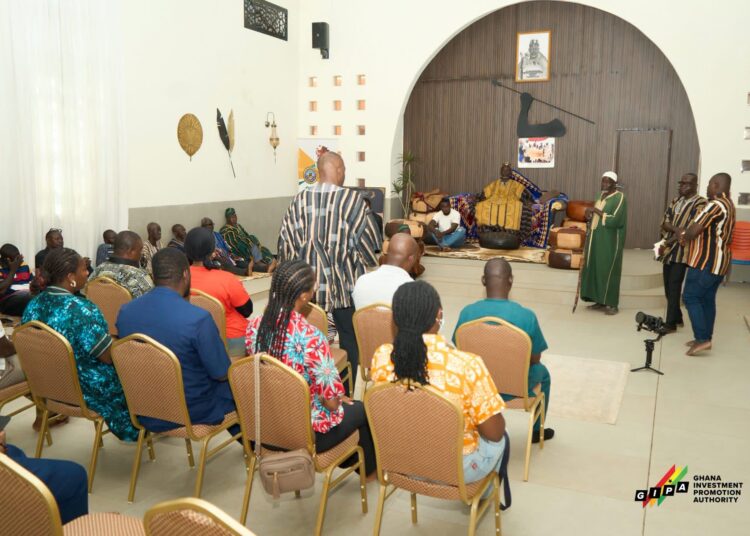
The Overlord of the Gonja Kingdom, Yagbonwura Bii-Kunuto Jewu Soale has called on local and international investors to explore economic opportunities in the Savannah Region, emphasising the need for investments that promote job creation, agricultural value addition and sustainable community development.
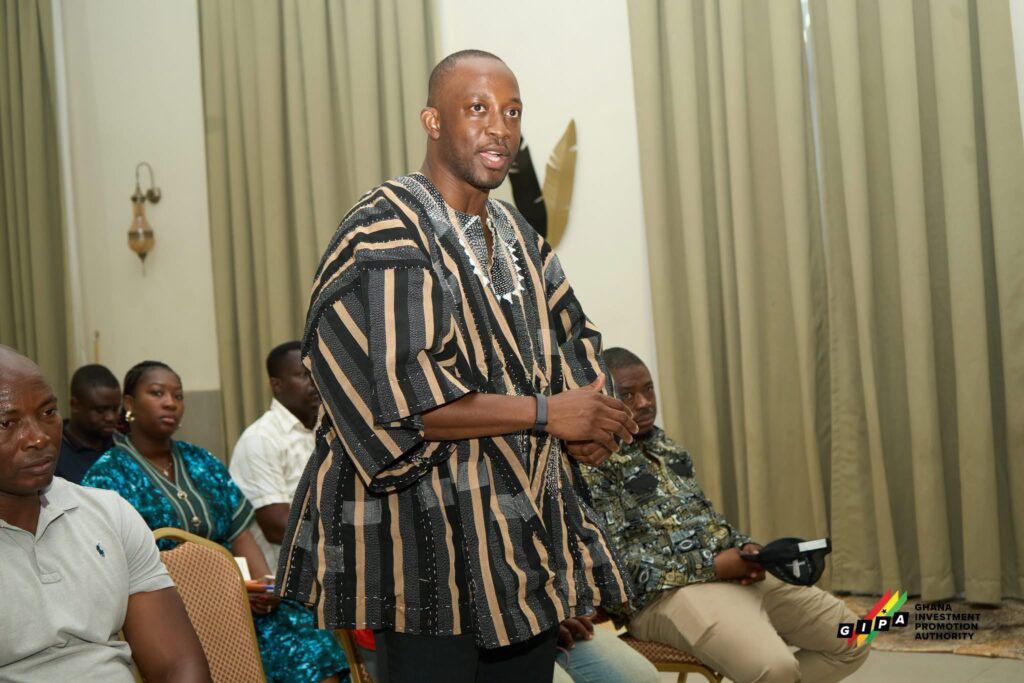
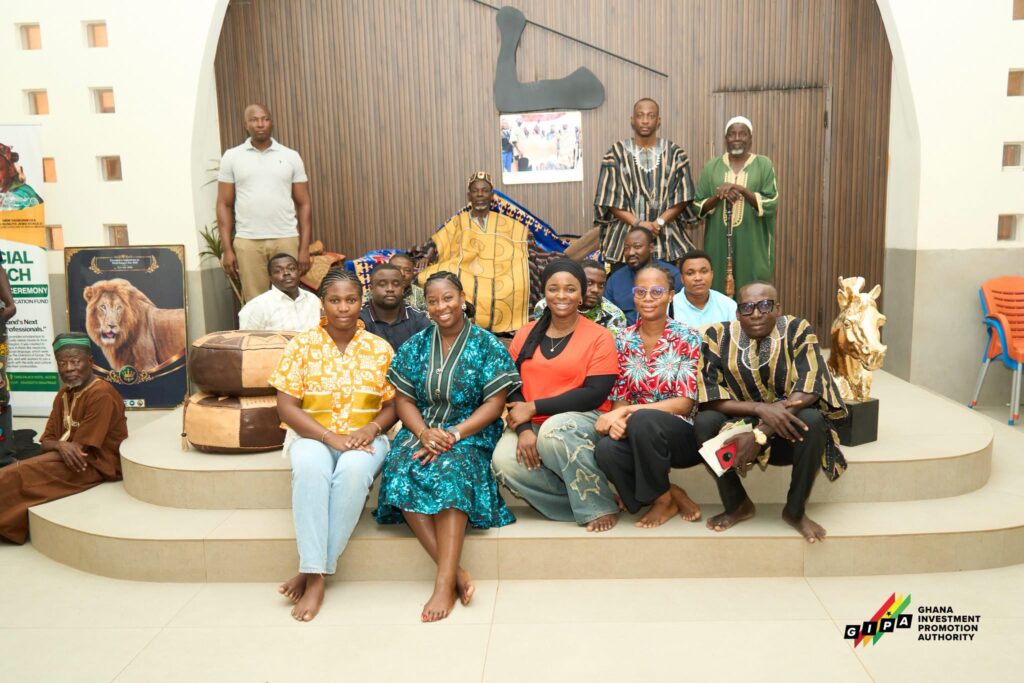
He made the appeal during an engagement with a delegation from the Ghana Investment Promotion Authority (GIPA), led by its Deputy Chief Executive Officer, Mr Abdul Razak Baba, as part of preparations towards the Savannah Regional Investment Forum under the Authority’s Investment Opportunities Mapping Project (IOMP).
The traditional ruler identified agriculture, particularly rice cultivation and agro-processing, as priority areas requiring greater private-sector participation, arguing that the region’s economic potential must translate into tangible improvements in livelihoods and opportunities for its people.
“Investment in the Savannah Region should go beyond the exploitation of natural resources to creating employment, strengthening local businesses and ensuring that host communities participate meaningfully in the benefits of economic development.”
The Gonja Kingdom, Yagbonwura Bii-Kunuto Jewu Soale
Agriculture Holds Investment Potential
Agriculture remains central to the Savannah Region’s economic prospects, particularly given its potential for commercial farming, rice cultivation, livestock production and agro-industrial development.
The Yagbonwura’s emphasis on rice production reflects a wider national economic priority, as Ghana continues to pursue increased domestic food production and reduced dependence on imported agricultural commodities.
Data from the Ministry of Food and Agriculture indicate that Ghana’s paddy rice production reached approximately 1.44 million metric tonnes in the 2023/2024 cropping season before declining to a provisional 1.13 million metric tonnes in 2024/2025, representing a reduction of about 21.8 per cent.
The country’s rice supply challenges also present an opportunity for investment in irrigation infrastructure, mechanised farming, improved seeds, storage facilities, milling and packaging.
According to the National Development Planning Commission’s 2024 Annual Progress Report, Ghana’s rice self-sufficiency rate stood at 55.1 per cent in 2024, compared with 57 per cent in 2023.
This indicates that domestic production continues to fall short of national consumption requirements.
The figures underline the importance of expanding productive capacity while strengthening the entire rice value chain.
The Savannah Region, investment in commercial rice farming and modern processing facilities could support increased production, improve market access and create additional opportunities for farmers and agricultural businesses.
“Closing the gap between domestic rice production and national consumption requires investment not only in cultivation but also in irrigation, storage, processing and market infrastructure.”
Ministry for Food and Agriculture
GIPA Targets Private Sector Participation
The engagement with the Yagbonwura forms part of GIPA’s broader Investment Opportunities Mapping Project, which seeks to identify commercially viable projects across Ghana’s regions and present them to potential investors.
Through the initiative, the Authority is working to strengthen the connection between regional economic potential and private-sector financing by identifying opportunities that can attract investment into productive sectors.
Mr. Baba reaffirmed the Authority’s commitment to promoting investment in the Savannah Region and disclosed plans to establish a GIPA office in the region to improve investor engagement and provide support to businesses.
The proposed office is expected to strengthen the Authority’s presence at the regional level, making it easier for prospective investors and existing businesses to engage with GIPA on investment opportunities and related support.
A stronger regional investment facilitation presence could also help address the information and coordination challenges that sometimes prevent viable local projects from attracting the necessary financing.
For investors, access to reliable information about available projects, business conditions, infrastructure and local partnerships is essential when assessing the commercial viability of an investment destination.
“Establishing a regional office will strengthen GIPA’s engagement with investors, improve access to investment information and support businesses seeking opportunities in the Savannah Region.”
Deputy C.E.O of GIPA, Mr. Abdul Razak Baba
The importance of this approach extends beyond attracting investment commitments.
Also, converting identified opportunities into operational businesses requires coordination among traditional authorities, local government institutions, businesses and relevant state agencies.
Traditional Authorities Back Development Agenda
The GIPA delegation also paid a courtesy call on the Damongo-Wura, Kelly Seidu Boreasa I, who pledged the support of traditional authorities for initiatives aimed at attracting investment and accelerating development in the region.
The involvement of traditional authorities is significant to investment mobilisation, particularly in areas where land ownership, community relationships and local stakeholder participation are important considerations for prospective investors.
Their support can contribute to building confidence, facilitating dialogue with host communities and encouraging partnerships that align commercial activities with local development priorities.
However, sustainable investment will also depend on ensuring that communities participate in the economic opportunities created through new businesses, particularly through employment, skills development, local procurement and support for small enterprises.
The planned Savannah Regional Investment Forum is expected to provide a platform for presenting identified investment opportunities to prospective investors and development partners.
The region is also expected to feature at the upcoming Invest Ghana Summit in Accra, creating another opportunity to showcase its economic potential to a wider investment audience.
GIPA’s mapping initiative therefore represents an effort to move regional investment promotion beyond general appeals by identifying specific projects that can be developed, financed and implemented.
“The success of regional investment promotion will ultimately depend on translating identified opportunities into viable businesses that generate employment, strengthen local industries and deliver measurable benefits to host communities.”
Deputy C.E.O of GIPA, Mr. Abdul Razak Baba
The engagement between GIPA and the Gonja traditional leadership signals an effort to build the institutional and community partnerships needed to support that process.
READ ALSO:Ghana Bauxite Company to Expand Production Following $250m Deal