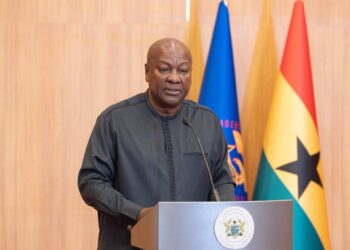
Pure Earth Ghana Country Director George Bruno Akanlu has called on the government to strengthen policies and enforcement measures to control lead contamination, warning that exposure is putting children in several Ghanaian communities at risk of lasting harm. The appeal follows a study that found elevated blood lead levels in more than half of children tested in Greater Accra, Ashanti and the Northern Region.
The study, conducted by the Ghana Health Service, Pure Earth and UNICEF between November 2022 and January 2023 under the Protecting Every Child’s Potential initiative, tested more than 3,000 children.
Akanlu’s submissions highlight industrial operations, scrap yards, battery recycling and some traditional products as sources of exposure, while calling for stronger regulation, local testing capacity and public education.
“There is no acceptable level of lead in the body, we need stronger enforcement of existing standards to ensure that lead-contaminated products and materials do not continue to expose children to harmful substances.”
Pure Earth Ghana Country Director George Bruno Akanlu
The study found that more than half of the children tested had blood lead levels above five micrograms per decilitre, the threshold identified in the submissions as relatively safe under World Health Organization guidance.
Industrial communities record elevated lead levels
The study covered communities in Greater Accra, Ashanti and the Northern Region, with elevated concentrations around industrial activity.
In Greater Accra, research identified areas around Ashaiman, Afienya and Kpone, where nearly all the children tested had elevated blood lead levels. In Kumasi, children living near scrap yards recorded elevated concentrations, with some results reaching the thirties and forties.
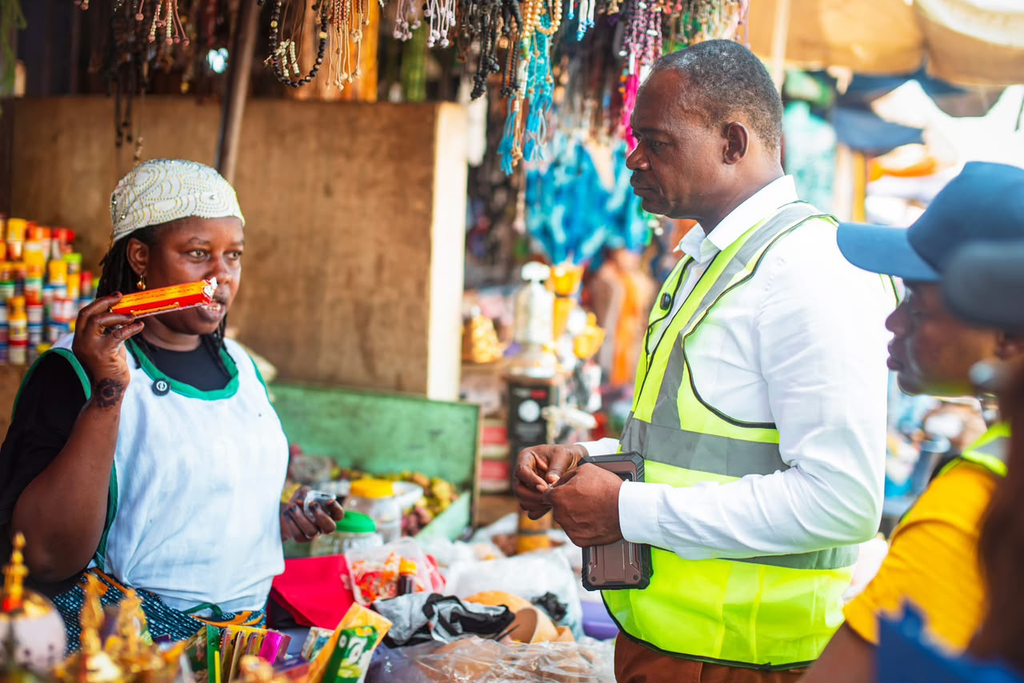
Exposure in southern Ghana was largely associated with industrial activities, while scrap yards were identified as a major concern in Kumasi. In the Northern Region, elevated levels were found around households using dadesen and eyeliners, products that previous studies had also associated with relatively high lead content.
Lead pollution threatens children’s development
Although adults can also suffer from lead exposure, Akanlu stressed that children face more severe consequences because their brains are still developing. The study therefore focused on children between one and five years old.
Lead exposure can cause neurological, behavioural and learning difficulties in children, with effects that may be permanent. Adults may experience less pronounced effects, but exposure can still contribute to conditions such as kidney disease and high blood pressure.
“The neurological, behavioural and learning impacts of lead pollution on children can be permanent.”
Pure Earth Ghana Country Director George Bruno Akanlu
He outlined how lead from industrial operations and battery recycling can move from the environment into homes. Smoke from battery smelting can settle on rooftops and residential compounds, while uncovered water sources and exposed food may also become contaminated.
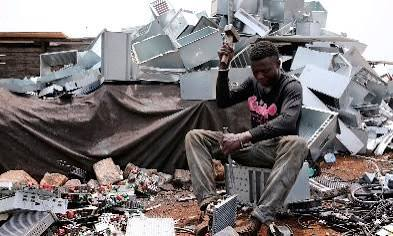
Some operators dismantle used batteries and release acid into drains or onto soil. Once contaminated soil dries, wind and human activity can raise lead-bearing dust, which settles on household surfaces where children play, eat and sleep.
Young children face particular risks because they often pick up objects from the ground and put them in their mouths. Akanlu explained that “the small amounts of lead they ingest accumulate in their bodies over time, eventually contributing to the health effects associated with lead exposure.”
Government urged to strengthen standards and testing
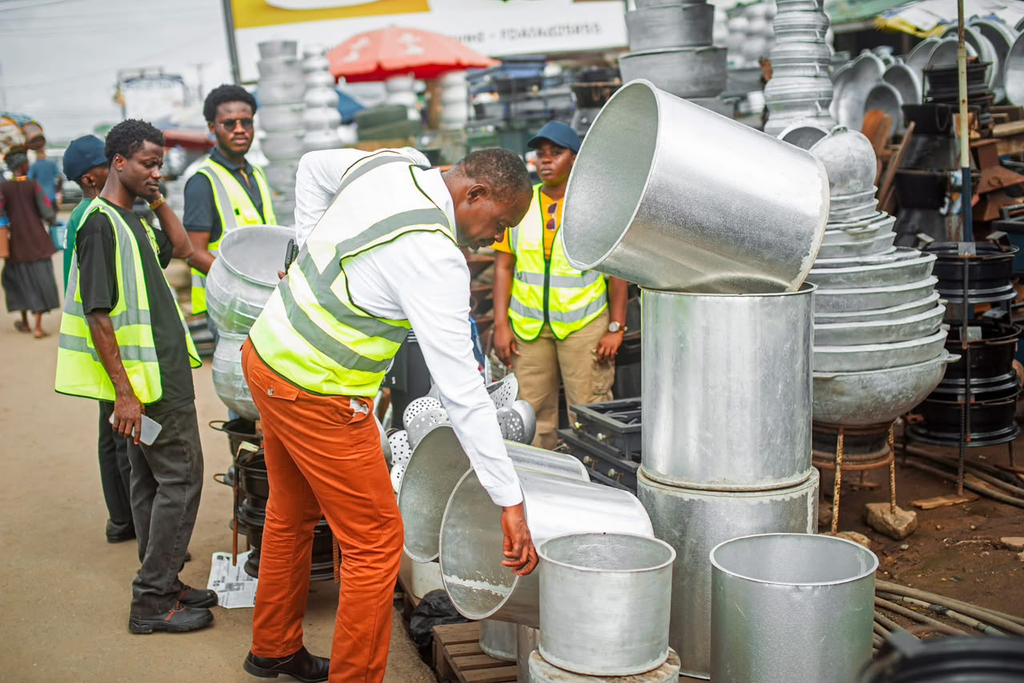
Akanlu disclosed that Pure Earth had worked with the Ghana Standards Authority to establish standards for the casting of dadesen, with further work underway to support their rollout. He called for implementation involving law enforcement agencies, scrap dealers, manufacturers and consumers.
Educating those groups, he indicated, would help ensure safer cooking pots reach the market and support safer food preparation in households.
He also urged government to invest in local testing capacity. Soil samples and other materials may currently need to be shipped outside Ghana for analysis, a situation that highlights the need to strengthen domestic laboratory services.
Nationwide assessment to identify contamination sources
Pure Earth is working with the Environmental Protection Agency on a nationwide community and market assessment.
The exercise covers selected communities across the country’s different zones and involves collecting samples of water, food, soil and paint, as well as everyday products sold on the Ghanaian market.
We cannot effectively address lead contamination without strengthening our local laboratory capacity to test soil, water, food and other materials within the country.”
Pure Earth Ghana Country Director George Bruno Akanlu
The samples are being tested in New York, with results expected before the end of the year. He indicated that the findings would subsequently be made public and provide information on contamination levels in products and materials commonly used by Ghanaians.
He acknowledged the importance of recycling in waste management but warned that communities around recycling operations could face higher lead exposure where safety standards and environmental controls are inadequate.
He urged coordinated action to enforce standards and protect children. The findings are expected to guide future policy and interventions.
READ MORE: Mahama: TraffiTech-GH Will Save Lives as 2,151 Died in 2025